

Introduction: Perspective as a Choice You Protect
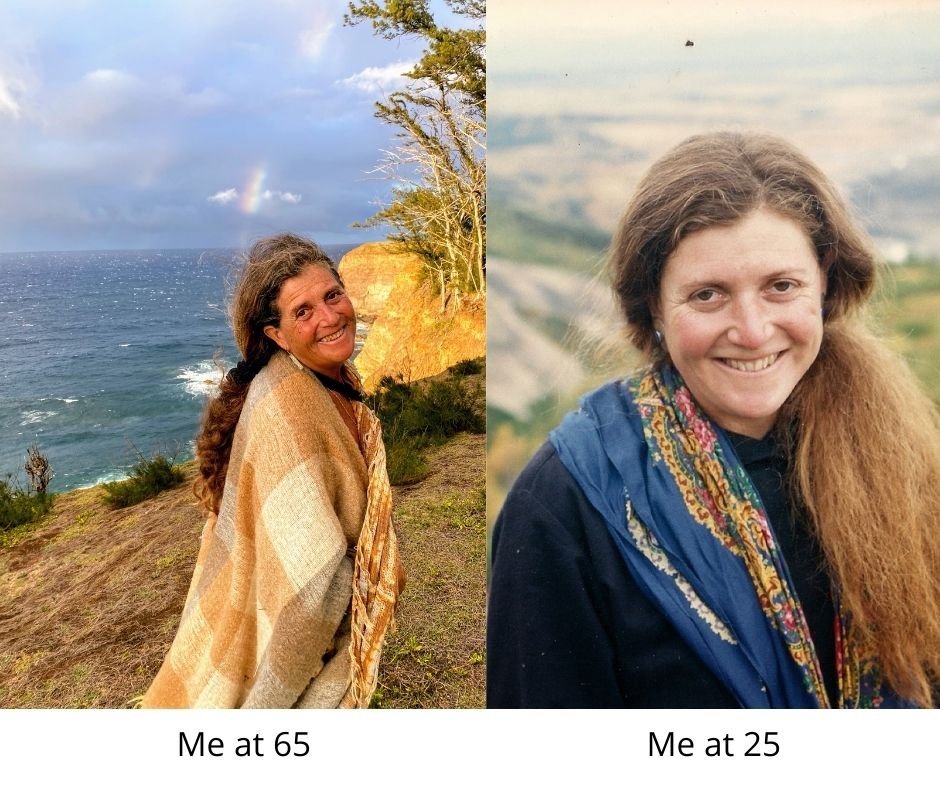
If we could talk, I would ask: what does a changing perspective look like for you? By turning 65, I faced a choice about how to perceive aging—as a decline, or as a doorway to creative freedom and deeper fulfillment. I decided I would not let this landmark age make me feel or “be” OLD. Besides, 65 is the new 40, right? A healthier perspective can become a permanent affirmation: “I am only as old as I feel. And I feel great!”
Having the right attitude, daily routines, and mindful tools, I am as creative, active, and happier than I was at 40. I’m staying healthy by eating well, spending a lot of time in nature, and being grateful. Perspective isn’t passive—it’s something we actively protect and reinforce through intentional practice.

The Challenge: Making Perspective Shifts Stick
You might be thinking: is anything really permanent? I would have to agree that it’s a matter of perspective on what is permanent and what fades away. It’s not easy to permanently be happy all the time or successful in our endeavors every single day, but having the right attitude, routines, and tools separates those living a fulfilling life from an empty one. Is your cup half-full or half-empty?
We are creatures of habit, and it’s easy to fall back into old patterns. This is particularly true when it comes to the lenses through which we see our world. Our perspective is shaped by the experiences we’ve had up to this point, making it harder to shift perspective in the first place but also to make those mental changes stick. Yet before we can make permanent changes in our behavior, thinking, and actions, we have to ensure those shifts in perspectives are permanent.

Strategy 1: Time in Nature Strengthens Your Roots
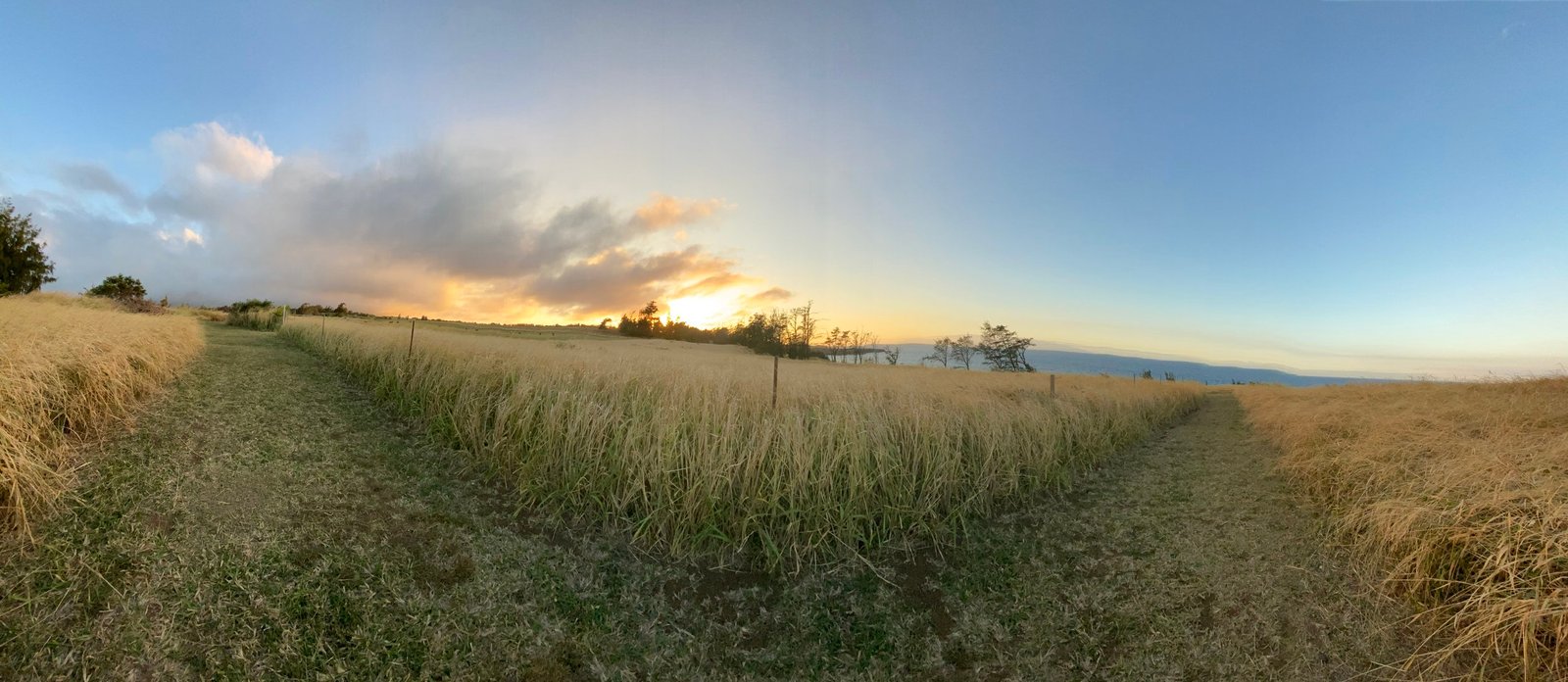
As a Nature Therapist and Positivity Coach, I’ve found the best results happen when we’re out in the fresh air. There are countless ways to enjoy the great outdoors: forest bathing, wave watching, tree climbing, hiking, moonlight walks, gardening, fishing, skiing, snorkeling, swimming in the ocean. Nature holds no judgment and helps you strengthen your connection with yourself. Anywhere there is Nature, you can find more clarity and reason to shift to a more peaceful place.
The closer you get to Nature, the closer you get to your true Nature.
The power of Nature absorbs negative energy. Find your inner peace, guidance, and strength as you climb upward and out. Leave the urban lifestyle for at least an hour a day and rejuvenate your body, mind, and spirit. Fresh air freshens our outlook and builds our immune systems. Cultivate the capacity to be in conversation with a spiritual source as the wind cleanses your thoughts, bird sounds soothe your soul, and Nature’s scents reduce stress.
Strategy 2: Meditation and Mindful Breathing
Being in a meditative state of mind, we are able to make permanent shifts in our lives that benefit our wellbeing. Gift yourself time in rituals such as prayer and meditation, being outdoors when possible. From Kundalini meditation to music meditation to walking meditation, there are many options. Learn to still your mind by turning a mindless task into a mindful one. Mindfully wash your dishes, feel the pots and pans in the warm water, and experience the difference while present in the task.
Being aware of your breath is so simple, and yet so powerful. You can relax your thoughts and still your mind by becoming fully aware of your breathing. Sigh often and give it some sound! Gentle, relaxed breathing is better than breathing deeply when you are anxious. Focusing on your breath and repeating a positive mantra, such as, “I am safe, happy, and healthy,” can bring peace of mind and a positive permanent perspective.
Strategy 3: Put Your New Insights Into Writing
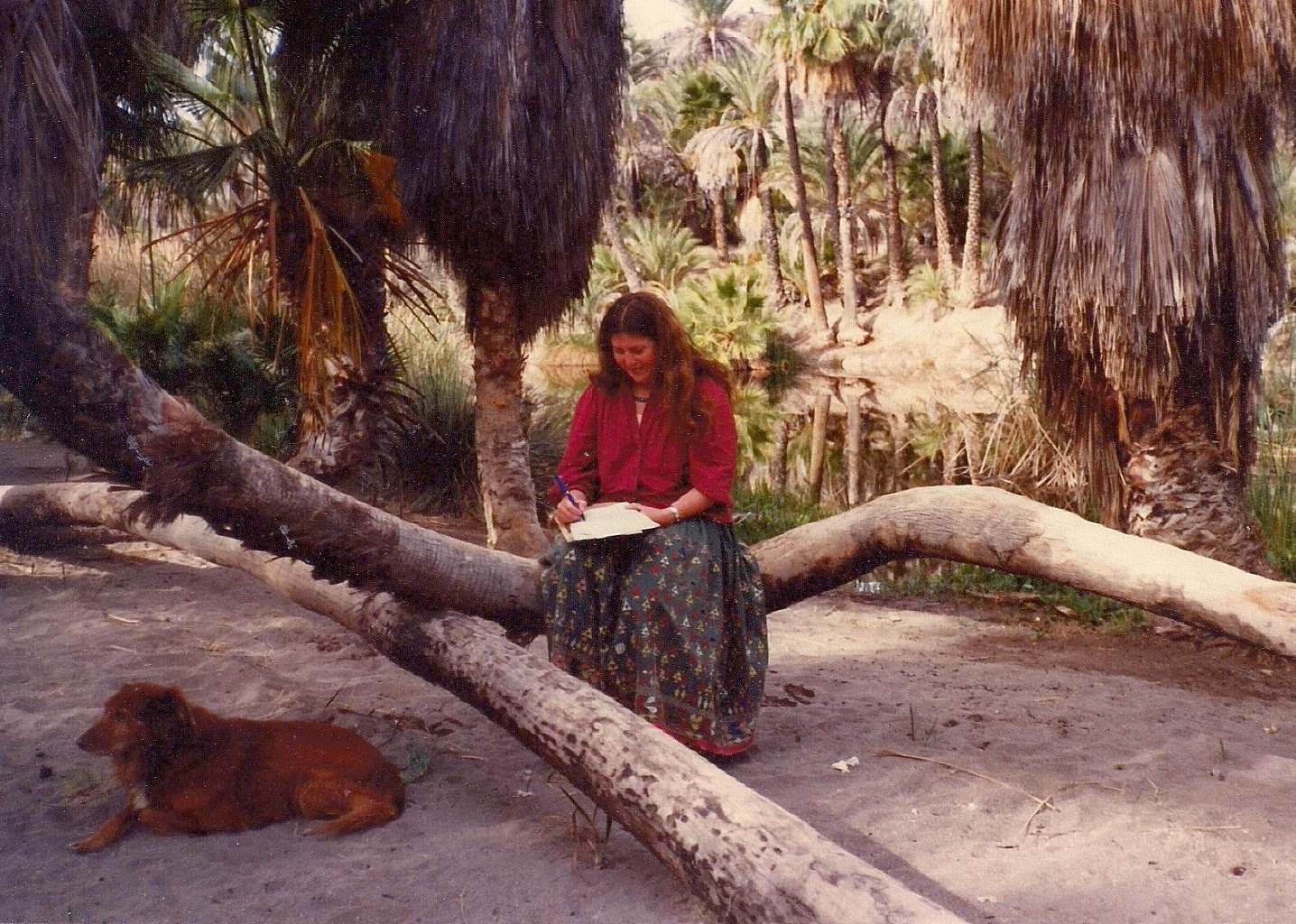
Do you remember back in school when teachers asked you to take notes? One big reason this is encouraged is because it helps you gain deeper, longer-lasting understanding. It also helps you retain information better—the same way writing a grocery list helps even if you forget it at home. For maintaining perspective shifts, I encourage you to keep a journal documenting what’s happening. Write down how you see things differently, even if you’re not fully convinced the other view is “right” or even possible.
Write down what changes and what new insights you’re gaining—this is particularly important for the ones you want to stick. You can write on your phone or computer, but honestly, old-fashioned is best. There’s something about writing things down on paper that makes them more memorable and more real in our minds. A journal is also a great tool to help you work through issues as you adopt this new way of looking at the world.
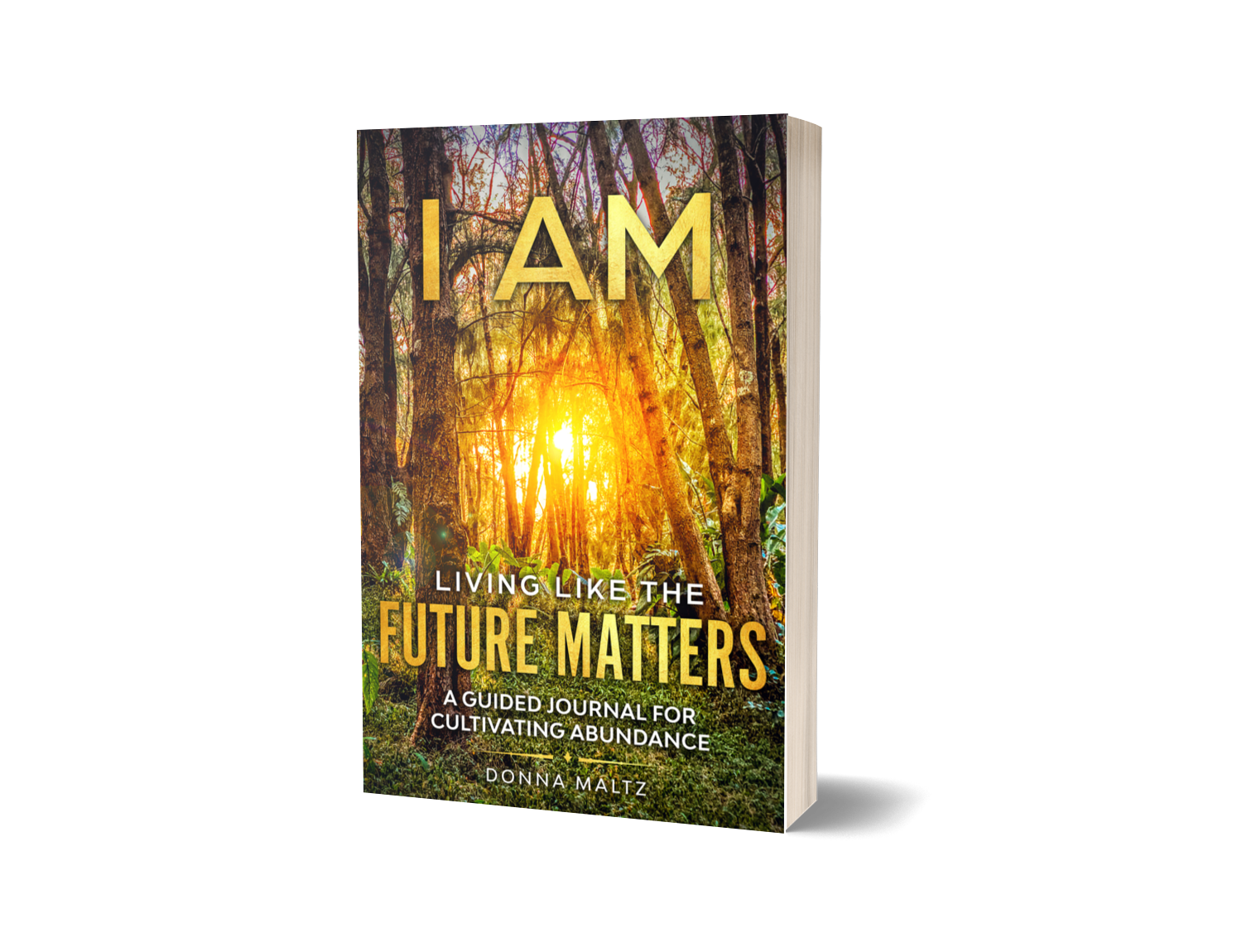
Check out this beautiful journal I created to help bring your life into focus.
Strategy 4: Review Your Written Words Regularly
Writing things down is great. Reviewing them regularly is even better. Set aside some time weekly and later monthly to read through the most important notes or journal entries you’ve made about the shifting perspectives you’re trying to adopt. These regular reviews are great reminders to stick to the changes you’re making and will keep you motivated and inspired to change your habits, adjust your reaction, and change your thinking in a profound way. A journal becomes your best friend along the way.

Strategy 5: Stick to a Healthy Routine
We are creatures of habit, and finding a new pattern can be challenging but rewarding. Make a schedule that includes time for work and self-care. The key is to balance your lifestyle with your work style. We are all wired differently. Knowing your natural biorhythms—your body’s rhythms of life that indicate your best timing for sleep, activity, and creativity—will help you figure out your ideal routines. A consistent routine anchors your perspective shift and makes it automatic.

Strategy 6: Be Intentional About Change Until It Becomes Second Nature
By changing our behavior and habits, we refresh our perspective and take charge of our lives. It takes time for any change to become second nature. That’s why these tools, routines, and those written reminders are important. You can also use little cues like words of encouragement written on a sticky note or index card that you can keep around the house and office. They serve as reminders to be intentional about the change you’re trying to make.
Conclusion: Fresh Eyes, Lasting Vision
I hope these tips and strategies about shifting your perspective have been interesting and helpful. My intention is to open your eyes to the possibilities out there. Don’t get stuck in a rut and don’t feel like you’re trapped by circumstances. There’s always a way out if you start to look for it and aren’t afraid to think outside the box. Because at the end of the day, that’s what changing your perspective is all about: looking at the world with fresh eyes and enjoying the view.
Your Call to Action
This week, choose one strategy: spend one hour in nature daily, journal three new perspectives, establish one new healthy routine, or review a past journal entry and notice your growth. Notice how intentional practice solidifies your shifts. Share in the comments: What practice helps you maintain your perspective shifts? Let’s inspire each other to live with fresh vision!
Big Love and Aloha,
You’re AWESOME