

Introduction: SOULutions, Not Just Solutions
Soulutions, not solutions. A SOULution is solving problems with long-term benefits for all lifekind which ensures a better world for future generations. Another way to understand the difference between sustainable and regenerative is when we are sick, to get well, we take extra supplements and nourishing foods to regenerate our cells. If we sustain an unhealthy diet and lifestyle, we cannot regenerate and restore enough to fully overcome illness. Mother Earth is sick and needs our cooperation and help.
You have been hearing buzzwords such as “green,” “sustainable,” or “regenerative” living. The truth is that these are more than just buzzwords—they represent critical pathways forward. Sustainable living and green living are interchangeable concepts, both meaning living a lifestyle that doesn’t harm the environment. For the last few hundred years, we have been living unsustainably, using the earth’s resources faster than the earth can produce them. Many resources can’t come back once they’ve been used, creating a world where nature is being devoured and thrown out of balance.
Fortunately, we can turn things around by changing our habits and lifestyles from constant consumption to more conscientious approaches. We must work on SOULutions, not solutions.
Sustainable Living: The Foundation
Sustainable living is a lifestyle that strives to reduce one’s carbon footprint—living in a way that preserves instead of consumes the earth’s natural resources. The point is to break the cycle of overconsumption seen throughout the world. So many people consume until nothing is left when they should be learning to conserve their resources to make them last longer and share them.
Sustainable living is important—but it’s not enough alone. We must go further.
Regenerative Living: The Next Level
In addition to reducing our carbon footprint, we must contribute to the planet’s well-being. We do this by contributing more than we take. Planting trees, gardens, large-scale regenerative agriculture, upcycling textiles, and restoring waterways are vital actions. We all must start thinking and acting regeneratively because sustainable living alone isn’t enough. We can no longer sustain the current status quo of our planet if we are to leave our world better for future generations. We must regenerate.
Regeneration happens when there is balance. Regenerative living creates a rhythmic cycle that makes the planet and all lifekind more resilient. It stimulates biodiversity by giving every piece of the ecosystem the fuel and foundation necessary to flourish. In addition to consuming less, implementing regenerative farming practices, and repurposing everything possible, we must educate everyone—children, municipalities, faith communities, businesses—to ensure a habitable planet.
Ways to Live a More Regenerative Lifestyle
Living regeneratively can be done through minor changes to your everyday life that benefit the environment and your health. Think living with the systems and cycles of nature.
Organic and Local Eating
One of the most straightforward changes you can make is to switch the way you shop and eat. Considering everyone eats, imagine if everyone switched to a regenerative diet—the impact on regenerating our soils, waterways, air, and bodies would be transformative. Organic soil consistently shows higher levels of nitrogen, carbon, and organic matter, better for people and planet. Modern industrial agriculture robs soil of its natural nutrients.
Pay the farmers now or Big Pharma later. By purchasing organic food and shopping at farmers’ markets from regenerative farmers, you help build better soil and reduce chemical use in our food one bite at a time.
Gardens NOT Lawns
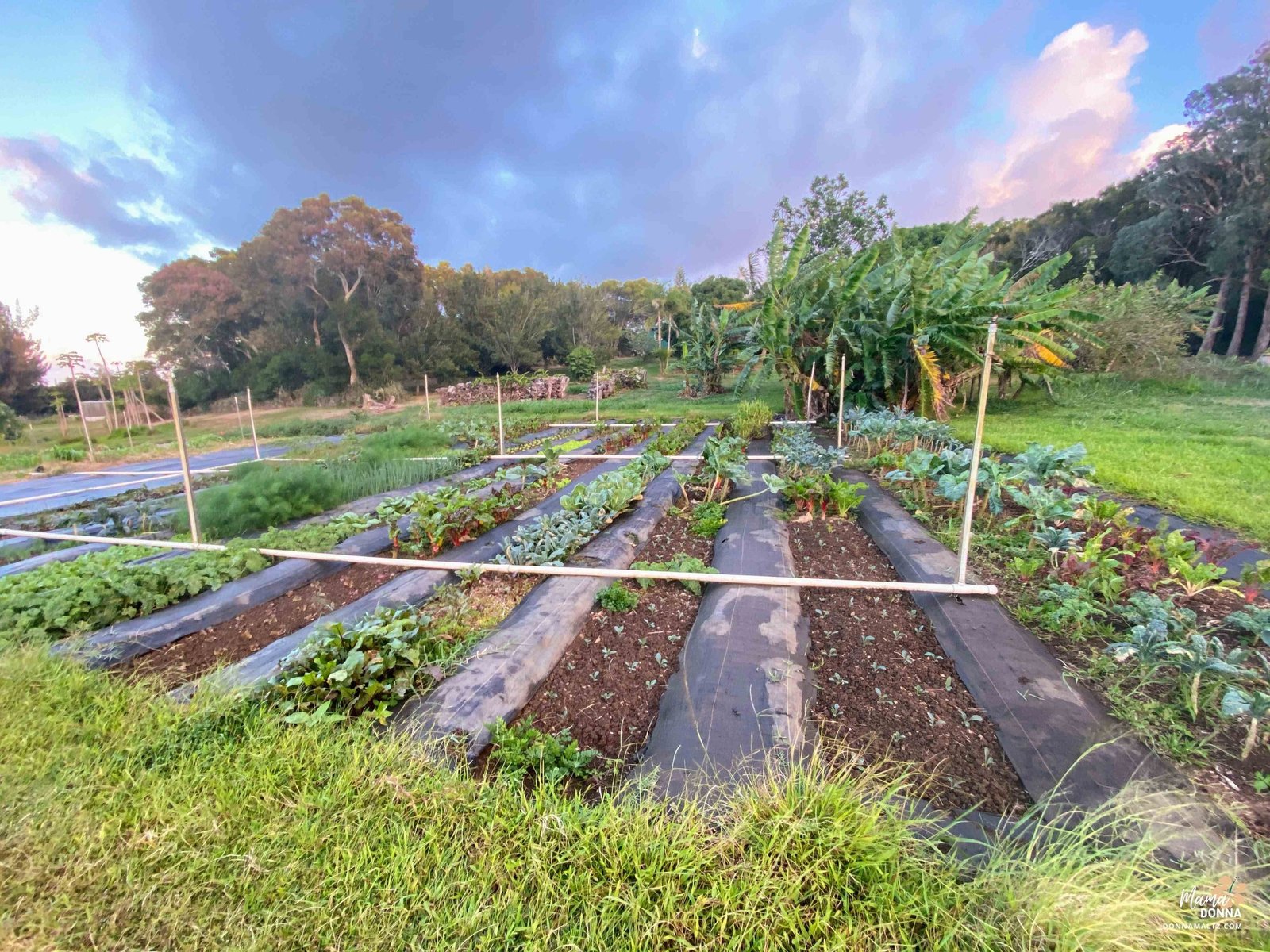
Want to save money, live healthier and contribute to sequestering carbon? Consider growing your own herbs and veggies and composting your food waste to nourish the soil. Many people have taken to planting their own fruit and vegetable gardens and housing chickens for fresh eggs and meat. Once established, it’s easy and inexpensive to maintain. The health benefits for you and the planet are more significant than the expenses. Think permaculture design wherever you see a lawn—it’s a regenerative land management approach that adopts arrangements observed in flourishing natural ecosystems.
Be Mindful of Your Water Usage
In addition to reducing showers and mindful flushing, there are other ways to preserve water. Shut off water while brushing your teeth and washing your face. Water your gardens in the evening when it’s cooler, giving higher chances for water to absorb into the soil. Every drop counts in regenerating our planet.
Be a One Lightbulb Household
Turn off lights when you leave a room—an easy way to conserve energy. Unplug appliances when not using them; plugged items draw energy whether in use or not. If you typically leave lamps or television on when away, train yourself to always turn these off when vacating a room. A quick bathroom run doesn’t require shutting off all lights, but if you’re spending extended time elsewhere, shut things down.
Walk/Ride More
If you typically drive a lot and want to reduce your carbon footprint, reduce your car’s use. Instead, take walks or ride a bike, skateboard, scooter, or rollerblade to your destination. If you can’t give up driving, consider investing in a “green” vehicle using less gas and producing fewer toxic emissions.
Use Fewer Resources
Being wise about how much you use and understanding how much you can save is essential. For example, when it comes to food, eat smaller portions and learn to enjoy leftovers. Similarly, things like toothpaste, paper plates, body wash, and lotions can be used quickly. Use the smallest amount of toothpaste required, stick to a dime-sized amount of body wash, and don’t overuse paper products just because they’re available.
Just because the laundry detergent says to use this much doesn’t mean you have to. I use 1/2 as directed and add 1/4 cup of baking soda to each load—my clothes are super clean, cost less, and it’s easier on the environment. When possible, dry your clothes on a clothesline inside or outside.
Upcycle Everything
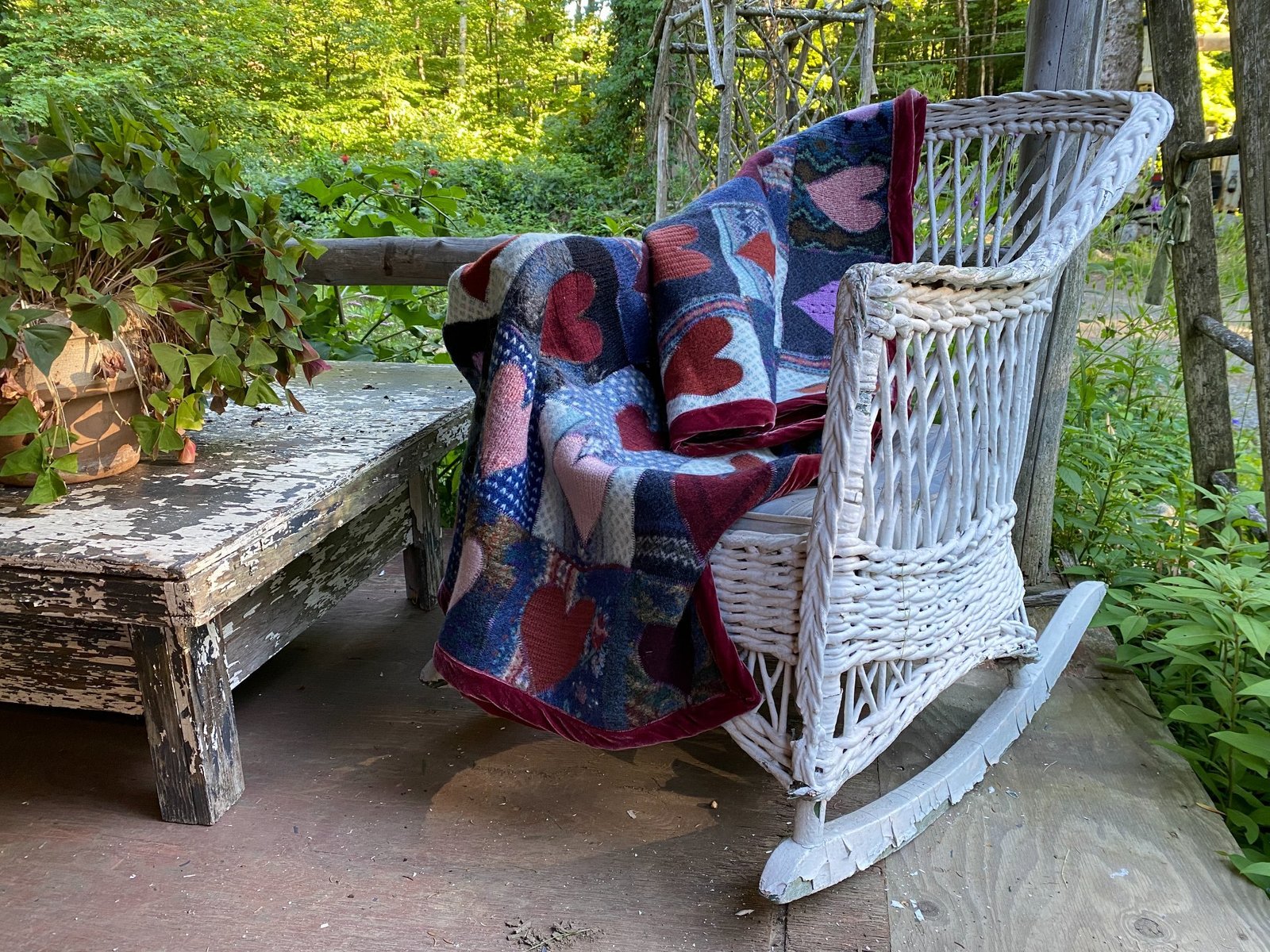
Regenerative clothing is not a fad but a necessity for being part of the SOULution. The concept of repurposing fabric and upcycling garments keeps millions of pounds of perfectly good clothing out of the dump. Support upcycle designers and companies, shop at yard sales and thrift stores, and be proud of your purchase.
Turn glass bottles into garden trail glass, old wool sweaters into felt stuffed animals, old silverware into jewelry. Add TLC to a beat-up dresser by turning it into a work of art with paint and classy knobs from another unrepairable dresser. Rather than buying imports from box stores made by underpaid humans in poor conditions, get creative and support people’s rights—as key to regeneration as nourishing the planet.

Unity in Community: The Regenerative Approach
Nourishing the planet and our souls—like I always say, from the Soil to the Soul, we must live like the future matters. The fastest and most fun way to regenerate our health and the planet is to build community. Interconnected, intergenerational, respectful communities that value all species and all lifekind. Planning developments that connect humanity to the systems and cycles of nature is the way to a healthier you and planet.
Get together with your local municipalities and businesses and demand regenerative action today. Be part of the change, and you will naturally be regenerated, renewed, and feel better about taking up space on this beautiful blue marble we call Mother Earth.
Conclusion: Healing Yourself and the Planet
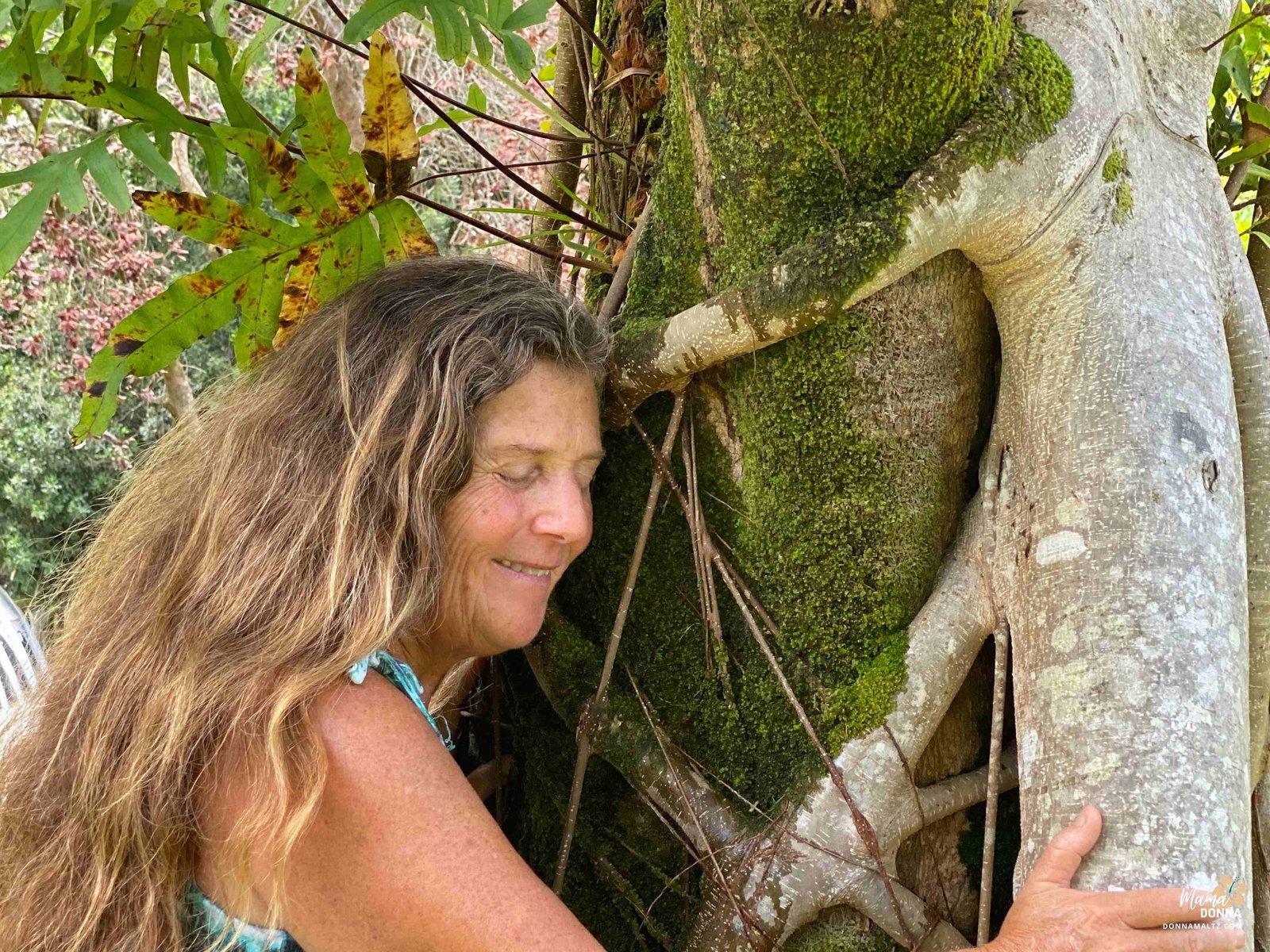
Remember to regenerate yourself daily. Rest, relax, and rejuvenate by treating yourself with kindness, nourishment, love, and respect. Get out into nature. The closer you get to nature, the closer you get to your true nature. The healthier you are, the more you can contribute to the regenerative process.
To earn more about how to regenerate yourself and the planet, enjoy my books. Be sure to tune into this week’s featured guest Jae Sabol from One Community and learn the ins and outs of regeneration from a master permaculturalist and community builder expert. ♥️🌎
Your Call to Action
This week, choose one regenerative action: plant something, reduce one waste stream, support a local business, build community through connection, or research regenerative practices in your area. Notice how purposeful you feel when you contribute to healing. Share in the comments: What is one regenerative practice you’re committing to this week?


PS: 🌴 Help Save Mother Earth by purchasing my Nature Photography. All proceeds go to preserve Nature 🍃🌿
Join our Soil to Soul De-stress and Thrive Membership 🌈

Our tribe is so excited to help you de-stress, manifest success and savings, and start living and working like the future matters! If you feel burnt out, stressed, or overwhelmed, and wish to save money, improve your health, and heal the planet, then check this out! Get all the details here: bit.ly/soil2soulmembership
Take advantage of the best price the membership will ever be! Become a founding member for only $15. Save 85% and get all of the perks of our $97 membership level for the first month!
🥰 A Dose of Positivity

Want more tips and resources to rebalance your health and Mother Earth? Join our Facebook Group, Holistic Health Nature Therapy: Live and Work like the Future Matters. Engage and share your SOULutions 💕