

Aloha Beautiful Souls! Bees are far more than fascinating creatures flitting from flower to flower—they’re absolutely essential to life as we know it. These tiny pollinators ensure the continuation of ecosystems and food security for billions of people worldwide. If you’ve never paused to appreciate their vital role, it’s time to grab a cup of tea and dive into the wonderful world of bees.
A Brief History of Bees and Beekeeping
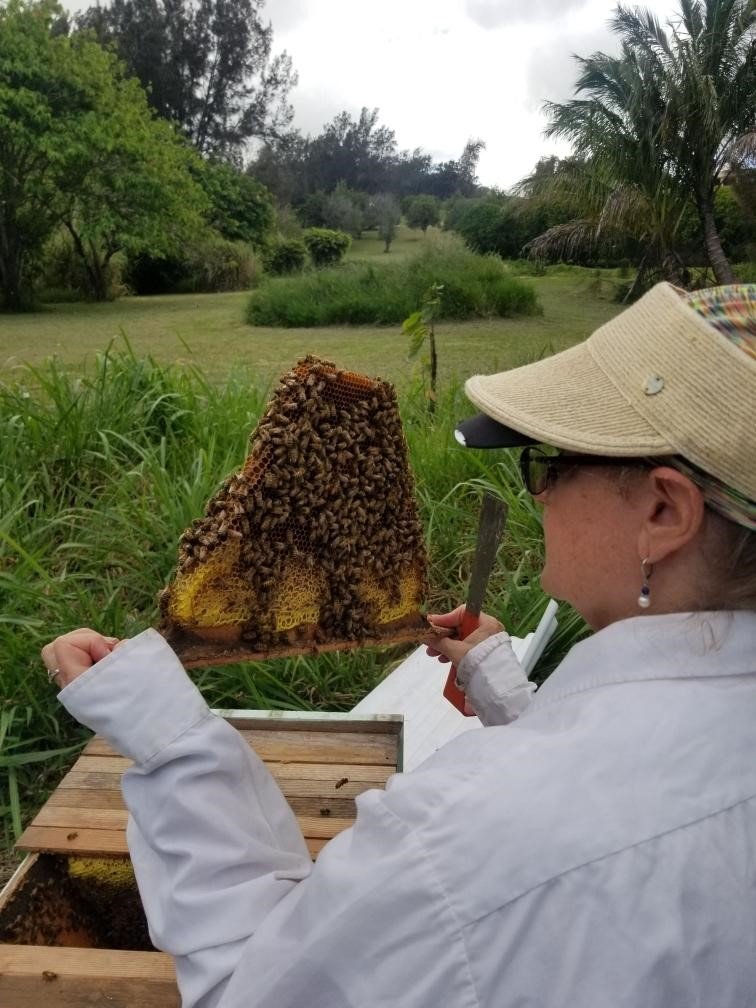
Bees have fascinated humans for millennia. Ancient civilizations like the Egyptians and Greeks revered bees for their industriousness and honey-producing abilities. Early beekeepers kept hives made from clay or woven straw—methods that evolved into modern beekeeping practices.
Today, beekeeping is both art and science. Beekeepers (apiarists) carefully tend their colonies for health and productivity. From backyard hobbyists to large-scale operations, beekeeping plays a vital role in agriculture and ecosystem preservation.
The Crucial Role of Bees in Healing Our Planet and Ourselves
Bees’ importance comes down to one word: pollination. Bees, along with butterflies and birds, facilitate flowering plant reproduction by transferring pollen. This process is essential for producing fruits, vegetables, nuts, and seeds—foods we rely on for sustenance.
The ripple effects extend far beyond the dinner table:
- Pollination contributes to biodiversity, supporting ecosystems globally
- Without bees, many plant species would struggle to reproduce
- This cascade effect could disrupt entire ecosystems
- Bees provide honey—a natural sweetener with centuries of proven health benefits
- Honey soothes sore throats, boosts energy, and supports overall wellness
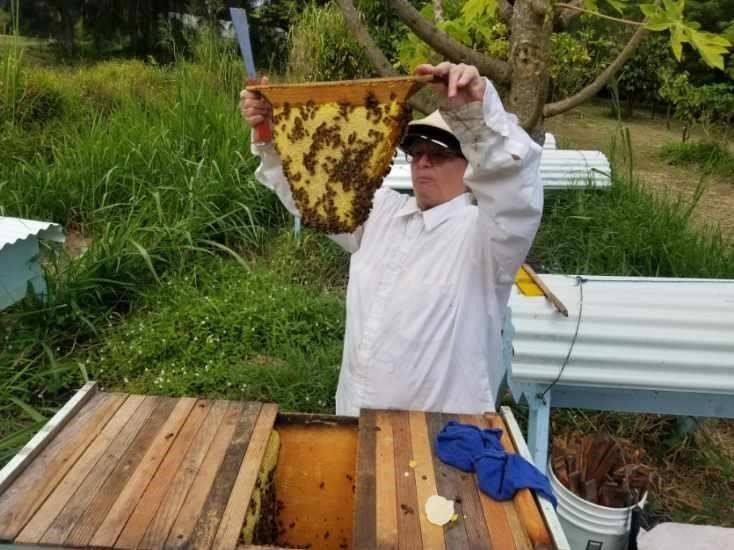
Where Would We Be Without These Outstanding Pollinators?
Without bees, humanity would face serious trouble. Colony collapse disorder—the decline of bee populations—poses significant threats to global food security and biodiversity. Many crops we depend on would fail to produce fruit, leading to food shortages and economic instability. The stakes could not be higher for our collective survival.
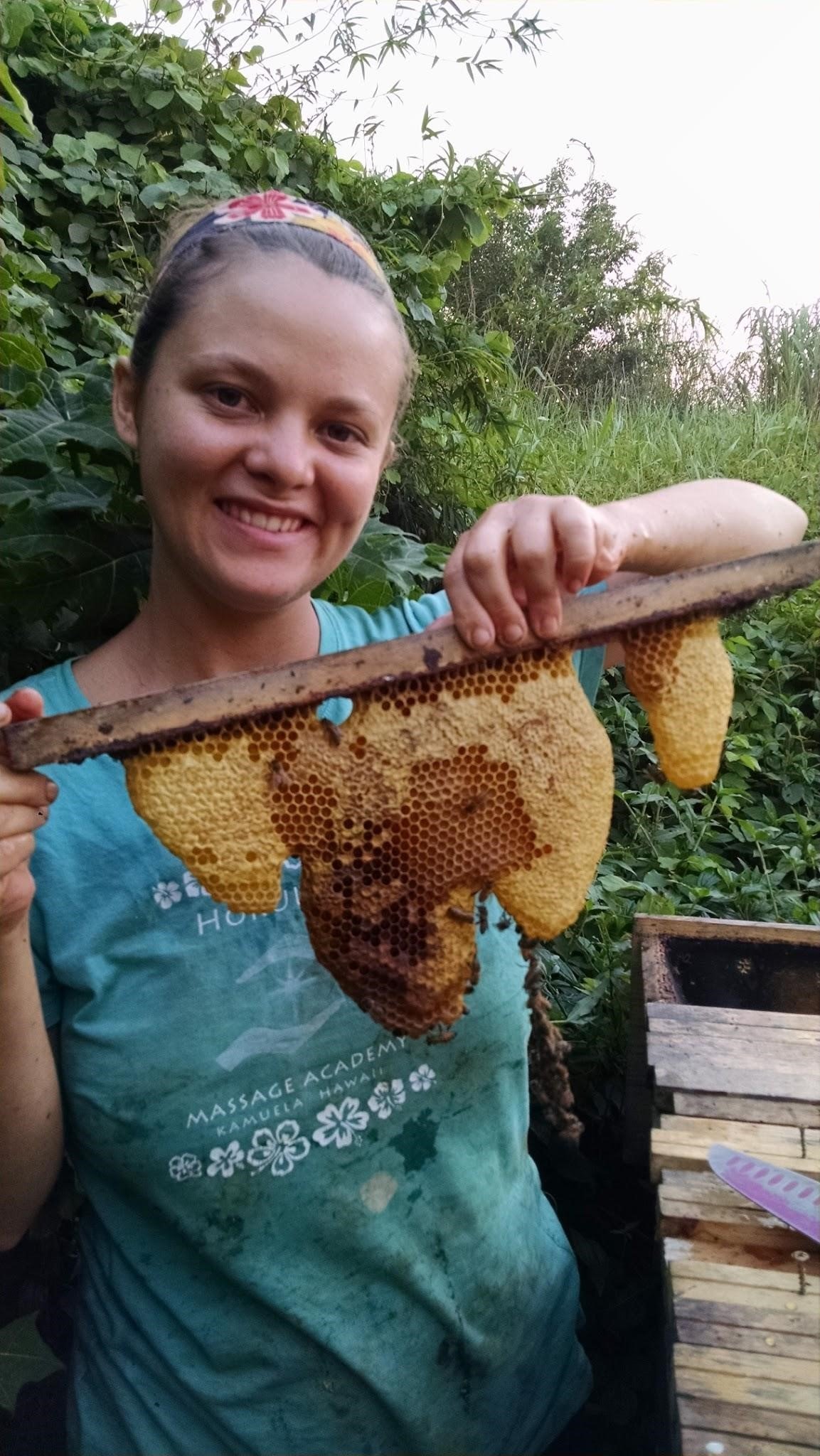
What Can We Do to Support the Bees and Bee Stewards?
The good news: we can all play a role in saving the bees. Here are actionable steps to support these vital pollinators:
Plant Bee-Friendly Gardens
- Fill your yard or balcony with bee-attracting flowers like lavender, sunflowers, and wildflowers
- Provide diverse nectar and pollen sources to support bee health and longevity
Avoid Pesticides
- Chemical pesticides harm bees and other pollinators
- Opt for organic pest control methods or bee-safe alternatives
Support Local Beekeepers
- Purchase honey and bee products from local beekeepers practicing sustainable, ethical methods
- Investing in small-scale beekeepers supports the future of beekeeping and biodiversity
Educate Others
- Spread awareness about bee importance and threats they face
- Use social media, community events, and conversations to amplify this message
- Every voice matters in the fight to save bees
How Do We Know We Are Purchasing Good Honey?
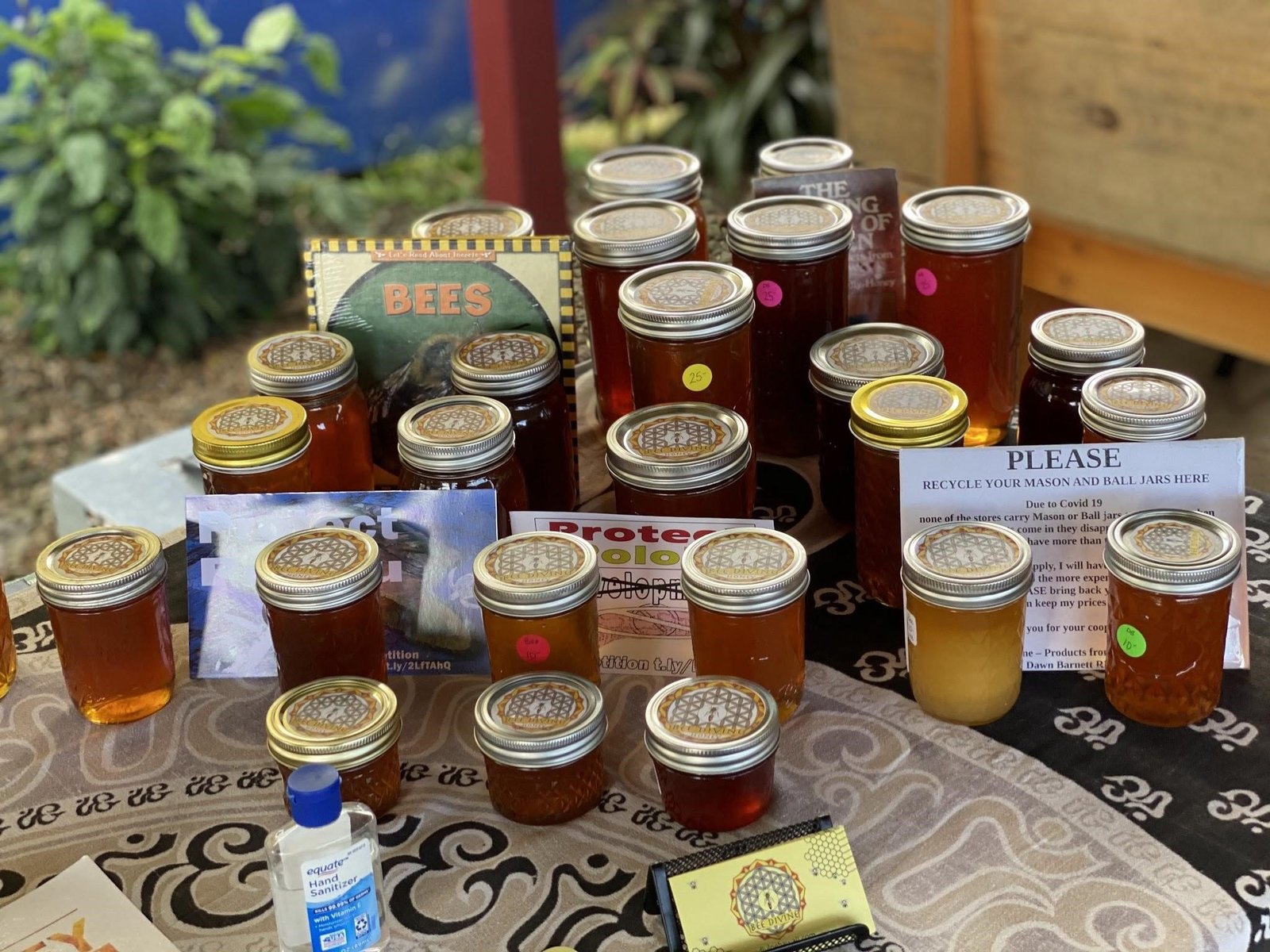
When buying honey, quality matters. Here’s how to ensure you’re getting the real deal:
- Check the Label: Look for honey labeled as raw, unfiltered, or organic—these are less likely to be processed or adulterated
- Read the Ingredients: Pure honey should have only one ingredient: honey. Avoid products with added sugars or artificial flavors
- Support Local Beekeepers: Buying directly ensures quality while supporting your community’s beekeeping industry
- Do Your Research: If unsure about a brand, research online or ask producers directly about beekeeping practices and honey production methods
Why Are Bees in Danger and How Will This Impact Our Food System?
Bee populations are declining because of multiple compounding factors:
- Habitat loss from land conversion and development
- Pesticide exposure affecting nervous systems and reproduction
- Climate change disrupting flowering cycles and food availability
- Disease spreading through wild and managed populations
The far-reaching consequences include:
- Threats to global food security for billions
- Declines in biodiversity and ecosystem stability
- Loss of plant species unable to reproduce
- Profound ecological and economic impacts
Here’s the good news: It’s not too late to save the bees. By taking action to protect and support these vital pollinators, we can make a real difference in their survival and our planet’s health.
The Incredible Array of Products That Bees Bless Us With
Beyond golden honey, bees provide a treasure trove of beneficial substances:
Propolis - A resinous substance bees collect from tree buds to seal hives, renowned for its antibacterial, antiviral, and anti-inflammatory properties. It’s a popular ingredient in natural health remedies and skincare.
Beeswax - The building block of intricate honeycombs, used for centuries to craft candles, cosmetics, and furniture polish. Beeswax candles emit warm glow while purifying air by releasing negative ions.
Mead - The ancient beverage of fermented honey and water, referred to as the “nectar of the gods.” It has resurged in popularity for its unique flavor and rich history.
Additional Bee-Derived Products:
- Bee pollen boosts immunity
- Royal jelly promotes collagen production
- Bee venom offers therapeutic benefits
- Cultures worldwide have cherished these substances for centuries
Conclusion
The next time you enjoy a spoonful of honey or light a beeswax candle, appreciate the incredible journey from buzzing hive to your home. By supporting beekeepers and choosing products prioritizing sustainability and ethics, you’re not just indulging in a sweet treat—you’re ensuring our precious pollinators’ well-being.
Call to Action
Buzz-worthy action starts with you. Whether it’s planting a bee-friendly garden, supporting local beekeepers, or advocating for pollinator-protective policies, every action counts. Together, we can ensure bees continue to thrive, pollinating crops and enriching our lives for generations to come.
Please share this post and share your thoughts below, as your insights can be valuable to others. ❤️