


Introduction: Healing Ourselves and Our Planet
As we celebrate the love and connection this season inspires, it’s time to extend that care to Mother Earth and ourselves through what we choose to eat. Organic eating and regenerative farming are no longer fringe concepts—they are the necessary path forward for human and planetary health. The choices we make at the dinner table ripple outward, affecting soil health, ecosystem vitality, and our own wellbeing. Understanding how regenerative agriculture and the microbiome connect reveals why these practices matter so deeply.
Understanding Regenerative Agriculture
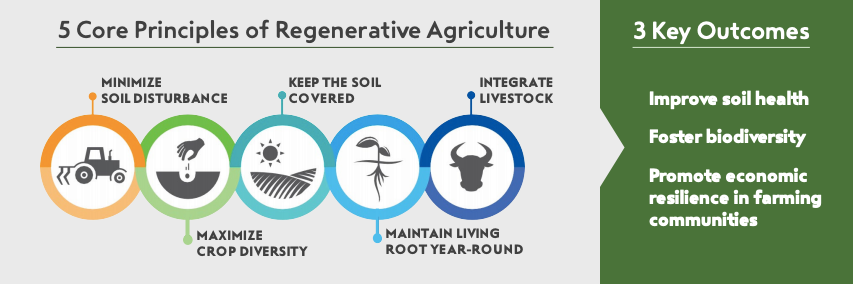
Regenerative agriculture is a holistic, sustainable approach to farming that restores soil health, biodiversity, and ecosystem function. Rather than depleting natural resources, regenerative farmers work with nature through crop rotation, cover cropping, reduced tillage, and intercropping to build soil fertility and conserve water. These practices improve overall land health and create a food system that nourishes both people and the planet. By contrast, conventional farming has prioritized productivity over quality, leaving us with chemically-laden foods and depleted soils.
The Microbiome: The Hidden Foundation of Life
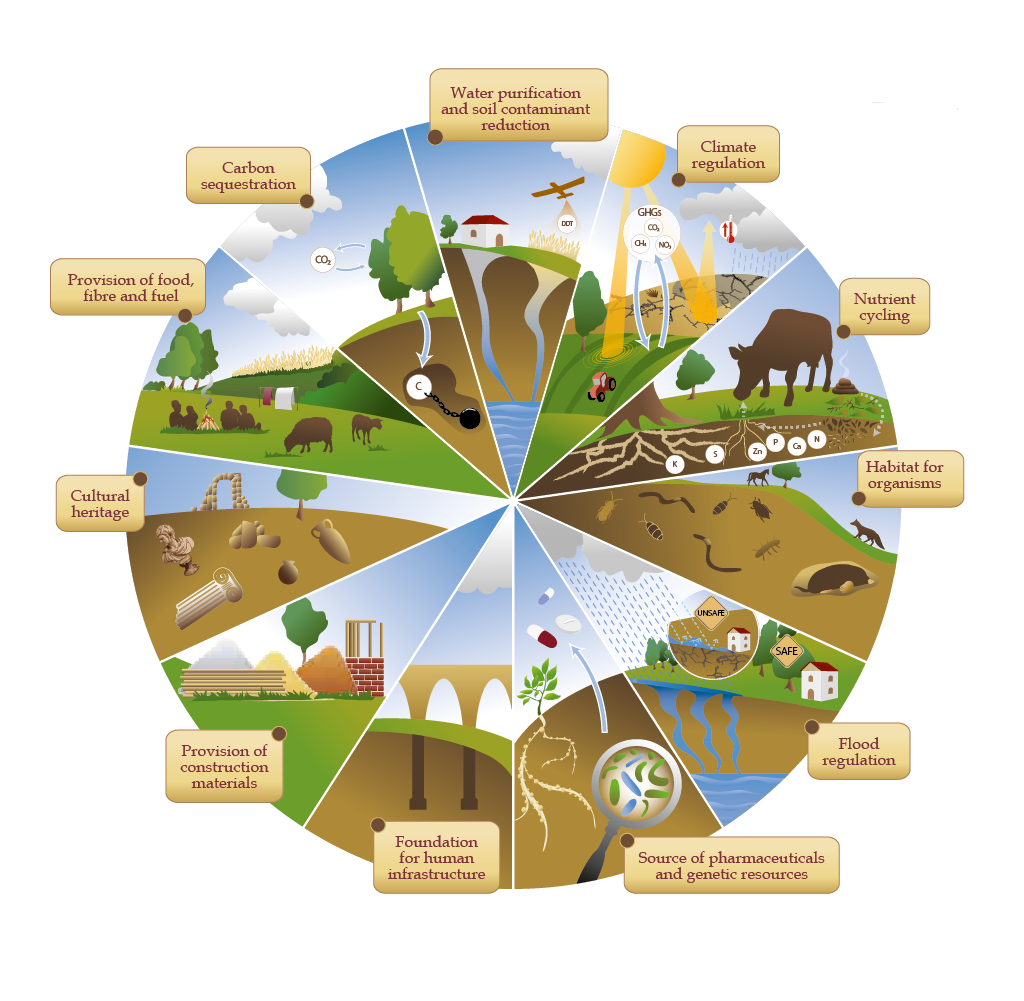
The microbiome is the collective genetic material of all microorganisms living within soil, plants, and our bodies—bacteria, fungi, and other microbes that make life possible. Understanding how these three microbiomes connect reveals why regenerative practices matter:
Soil Microbiome
Healthy soil bacteria and fungi are essential for nutrient cycling, soil structure, and plant disease prevention. Regenerative practices like cover cropping and reduced tillage create an environment where soil microbes thrive, directly improving soil health and fertility. When we disrupt the soil with chemicals and excessive tilling, we’re essentially killing the foundation of all life.
Plant Microbiome
Plants depend on beneficial microbes to fix atmospheric nitrogen, resist disease, and thrive. Intercropping and diverse crop rotations promote a healthy plant microbiome, leading to more resilient, nutrient-dense crops. This is why organic, regeneratively-grown food is fundamentally different from conventional produce.
Human Microbiome
Your gut microbiome regulates digestion, immunity, and even mood through neurotransmitter production. Diet profoundly impacts this delicate ecosystem—consuming organic foods rich in prebiotics and probiotics supports healthy gut bacteria, while pesticides and processed foods damage it. When we nourish ourselves with organic food, we’re feeding the trillions of beneficial microbes that keep us healthy.
Health Benefits of Organic Eating
Choosing organic means choosing foods grown without synthetic pesticides, fertilizers, and GMOs that carry serious health risks.
- Lower chemical exposure: Organic foods eliminate toxic synthetic pesticide residues and growth hormones
- Higher nutrient density: Studies show organic foods contain elevated levels of vitamins, minerals, and antioxidants
- Antibiotic-free: Organic animal products are raised without routine antibiotics, protecting your health and reducing antibiotic resistance

Environmental Benefits of Regenerative Farming
Regenerative agriculture restores rather than depletes, creating a system that works with nature instead of against it.
- Reduced pollution: Fewer synthetic chemicals mean healthier soil, water, and air
- Enhanced biodiversity: Diverse crops and cover crops support thriving ecosystems and wildlife
- Soil conservation: Cover cropping and reduced tillage prevent soil degradation and erosion
- Climate action: Healthy soil sequesters more carbon, reducing greenhouse gas emissions

The Growing Movement: Hope in the Numbers
The regenerative agriculture movement is accelerating globally, proving that change is possible.
- Regenerative farming practices have increased over 300% in the past decade
- The global organic food market is expected to reach $320 billion by 2025
- Land under organic management has increased over 60% since 2000
- Regenerative practices increase crop yields by 20-30% while reducing water use by up to 50%
Conclusion: One Choice at a Time
Healing ourselves and Mother Earth isn’t complicated—it begins with what we eat. Every organic product you choose supports a farmer choosing regenerative practices, strengthens your own microbiome, and protects the planet for future generations. The environment is not separate from us; our bodies are our homes, just as Earth is our collective home. When we care for the soil, we care for ourselves.
Your Call to Action
This week, commit to buying one organic, regeneratively-grown food item. Ask your farmer or grocer about their farming practices and support those working to heal the land. Share with your community how you’re supporting regenerative agriculture—together, we’ll transform this from a trend to the norm. Big love and Aloha!
Learn more about conscious health solutions:
✨Download FREE Ebook: Conscious Cures~Soulutions to 21st Century Challenges✨