

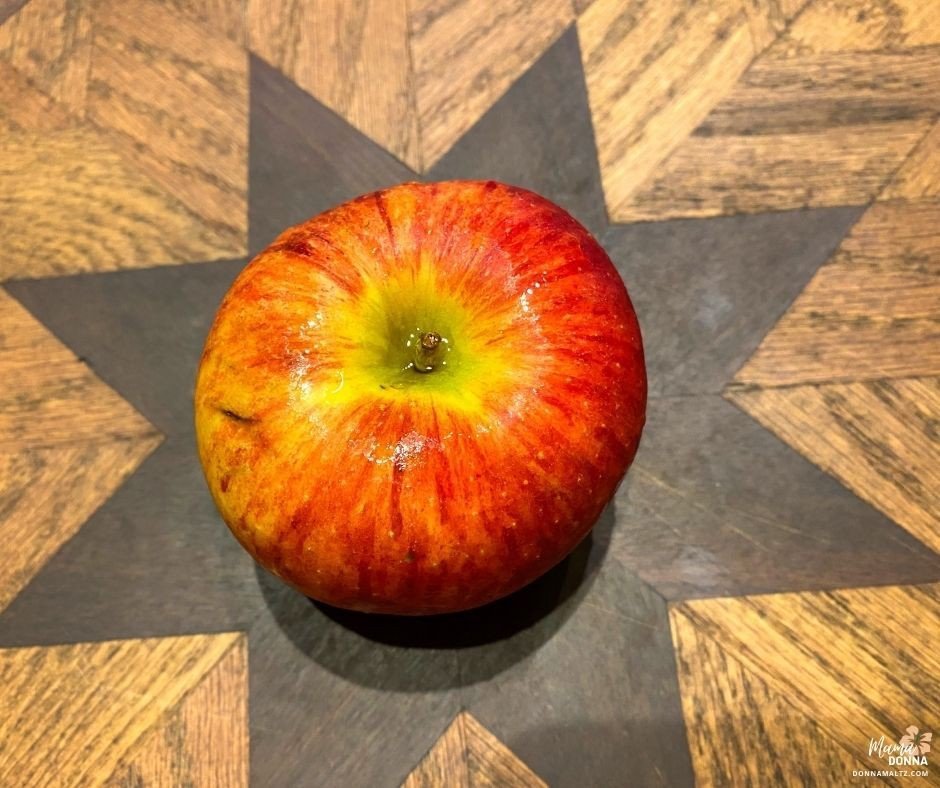
Introduction: Nature’s Most Undervalued Gift
An apple a day keeps the doctor away—and it’s true. Apples are one of nature’s most undervalued gifts, packed with vitamins (especially C), fiber, and essential antioxidants to support immunity. Whether green or red, crispy or saucy, baked or fried, ecologically grown apples keep your immune system strong and help save the world.
No matter where you live, unpredictable weather makes immune system strength essential. This article covers the health benefits of apples, delicious ways to use them, tips for growing apples, the history of these nutrient-dense fruits, and my favorite immune-boosting apple recipe. By the time you finish reading, you might just become an apple fanatic like me.
How Apples Support Your Immune System
Apples are rich in antioxidants containing flavonoids such as quercetin and rutin. These chemicals may help protect against multiplying cancer cells by promoting apoptosis (cell death) during times of stress. Along with natural antioxidants, apples provide other nutrients that support overall health and boost immunity.
Apples contain large amounts of vitamin C, which helps the body produce white blood cells to fight infection and disease-causing bacteria and viruses. Combined with vitamins A and E, minerals like potassium and calcium, and other nutrients, they work together to give your body the extra boost it needs. Studies suggest apples may be as effective as over-the-counter cold medications in fighting the flu without harsh side effects.
Apples are a rich source of dietary fiber with 4 grams per 100 grams. A medium apple provides thiamine (vitamin B1), which helps convert carbohydrates into energy. These combined benefits make apples the ultimate immune booster.
Key immune-boosting benefits of apples:
- Reduces cancer risk by blocking carcinogens and lowering bad cholesterol
- Protects against cardiovascular disease
- Helps keep your skin looking younger
- Supports healthier eyes
- Makes you feel fuller longer, reducing overeating
Apple History: From Ancient Times to Modern Orchards
Apple orchards have existed since biblical times. The word “apple” comes from Old English meaning “the fruit of a tree.” Around 100 A.D., Latin and Greek words defined it as a round fruit with seeds.
One of the most famous apple myths is the Garden of Eden story, where Eve took a bite from the forbidden apple. While the actual origin of apples remains unknown, they are believed to have originated in what is now Kazakhstan and Kyrgyzstan, where wild apples still grow in abundance.
Apples were favorites of ancient Romans and Greeks. Early US settlers brought apple seeds from Europe, and according to Massachusetts Bay Company records, apples were grown in New England as early as 1630. John Chapman, also known as Johnny Appleseed, was responsible for extensive apple tree plantings in the Midwest.
Fascinating apple statistics:
- 30,000 varieties of apples are grown throughout the world
- 2,500 varieties of apples are grown in the United States
- Only 100 varieties are grown commercially in the US
- Apples are grown commercially in 36 states
- The United States is the second-largest apple producer worldwide, behind China
- The most common varieties are Red Delicious, Gala, Granny Smith, Golden Delicious, Honey Crisp, Fuji, and Cortland
Why Organic Apples Matter: The Dirty Dozen
Make sure the apples you eat are organic. Commercially grown apples have been shown to contain higher concentrations of insecticides compared to organically grown varieties. People who buy organic produce have lower levels of organophosphate insecticides measured in their bodies.
Apples are one of the Dirty Dozen—fruits and vegetables with the highest amounts of pesticide residues. Chemicals are applied before and after harvest to preserve them longer. Most conventional farmers use pesticide sprays linked to cancer and neurological disorders, plus caustic insecticide sprays that kill beneficial bugs essential for a healthy ecology.
Regenerative Agriculture and Apple Orchards
Regenerative agriculture restores healthy ecosystems. Regenerative farmers use cover cropping, minimize external inputs like pesticides, rotate crops with open-pollinated seeds, integrate livestock, harvest rainwater, and leave fields fallow to replenish healthy topsoil.
Bees pollinate apple flowers and play a vital role in tree survival. An old proverb says, “The bee is mightier than kings,” and that applies perfectly in an orchard. Without bees, there would be no apples. A healthy orchard ecosystem protects itself with insect predators, microorganisms, and fungi.
Apple trees benefit our world through sustainable farming practices by providing shelter and food resources for various organisms. They produce fruit and act as economic support systems while protecting human health through ecologically sustainable practices.
How to Purchase and Prepare Apples
When buying organic apples, pay attention to how long ago they’ve been picked and whether they’ve been refrigerated and properly stored. It’s always better to get fresh apples from a local orchard than store-bought varieties that may be older.
Try mixing varieties such as Honeycrisp, Macintosh, and Golden Delicious—each has unique texture, size, color, and tartness. Red Delicious apples like Honeycrisp taste best during summer, whereas Granny Smiths are good year-round.
You can enjoy fall flavors all year long by preserving apples in sauces, jams, syrups, or dried forms. Enjoy these tasty treats as part of a healthy diet rich in immune-boosting benefits.
Delicious Ways to Enjoy Apples
Eat them raw or cooked—both provide immune-boosting benefits.
Raw apples: Add them to smoothies with fresh fruits or leafy vegetables, throw them in salads, use as ice cream toppings, munch on them during work breaks, or put in lunchboxes. Slice or dice apples and stir into oatmeal, or pair with nut butter in sandwiches.
Cooked apples: Cooking makes apples easier to digest and releases natural juices that make them sweeter by changing natural starch to sugar. You’ll absorb more beneficial nutrients and disease-fighting polyphenols. Roasted, baked, dried, or made into sauce—it’s all good. Top with cinnamon or nutmeg for flavorful taste. Dried apple chips from a dehydrator make excellent, nutritious, crunchy snacks without refined sugar or processed oils.
Apple cider, apple juice, and hard cider are delicious options, though whole fruit packed with fiber beats juice due to sugary pasteurized juices’ link to tooth decay and diabetes.
Other Immune-Boosting Fruits and Vegetables
If apples don’t excite you, these fruits and vegetables offer comparable nutrition:
- Bananas, cherries, bell peppers, and kale provide nearly identical vitamin C and fiber
- Cherries pack a powerful antioxidant punch that prevents tooth decay
- Bell peppers are excellent sources of carotenoids, high in vitamin C and folate
- Kale offers high amounts of calcium, vitamin A, and iron
You can start eating immune-boosting foods as soon as today: apples, apricots, arugula, artichokes, asparagus, and avocados. The vitamins and nutrients found in these fruits and vegetables will strengthen your immune system.
Conclusion: Your Immune Booster Awaits
Every time you eat an organic apple, you’re enjoying natural flavor and sweetness while ingesting healthy nutrients and making a better choice for the environment. Apples offer one of nature’s simplest yet most powerful tools for supporting immunity and well-being.
Your Call to Action
This week, commit to eating one organic apple daily and prepare it in a new way—raw in a smoothie, baked with cinnamon, or sliced in a salad. Notice how you feel and whether this simple habit supports your energy and immune health. Share in the comments: What’s your favorite way to enjoy apples? Let’s inspire each other to make nutrient-dense choices!
Be Well, Big Love, and Aloha ❤️
A Dose of Positivity 🌈
Join us for a weekly uplifting discussion every Thursday.
PS: 🌴 Help Save Mother Earth by purchasing my Nature Photography.
All proceeds go to preserve Nature 🍃🌿