

Introduction: Food as Catalyst for Transformation
I used to have a serious food addiction that nearly destroyed me—I was fat, sick, and nearly dead. When I admitted I had a problem, I accepted that food could turn my life around, and it did. As fast as food could destroy me, it could heal me. As a restaurateur, author, health coach, and passionate food enthusiast, I’ve learned that changing diet isn’t just about losing weight—it’s a gateway to profound personal transformation. Food has been far more than sustenance; it’s been a catalyst for change, growth, and self-discovery.

My Journey: From Rock Bottom to Resilience
Growing up, food was simply something put on the table three times a day—I never gave it much thought. It wasn’t until I moved away from home and started cooking for myself that I appreciated food’s true power. For the first time, I could control what I was putting into my body and quickly realized that quality directly impacted my energy, mood, and overall wellbeing.
In my late thirties, I blew out my knee, leading to unsuccessful surgery and three years of mental and spiritual darkness fueled by food addiction. After hitting rock bottom, I experienced a spiritual awakening that changed everything. You can read the full story in my book, Living Like the Future Matters ~ The Evolution of A Soil to Soul Entrepreneur. Today, food continues to play a central role in my life as a pathway to healing and purpose.

Five Ways Changing Your Diet Overcomes Adversity
Recent studies show that what we eat impacts not only physical health but also mood and productivity. A diet high in processed and sugary foods leads to inflammation, affecting the brain and causing mood disorders. Here’s how dietary change becomes transformational:
1. Improved Physical Health: Your Foundation
Eating a healthy, balanced diet improves overall physical health, equipping you to handle stress, illness, and challenges. When you’re physically fit, your body has the resilience to weather adversity. Every wholesome meal you choose is an investment in your capacity to show up strong.
2. Boosted Immune System: Your Defense
A healthy diet boosts your immune system, helping you fight off illnesses and diseases. This is particularly helpful when dealing with chronic illness or health conditions that make you susceptible to infections. A strong immune system gives you the biological strength to recover from setbacks.
3. Improved Mental Health: Your Mind’s Medicine
Research shows that a healthy diet improves mental health and helps overcome adversity. Eating foods rich in omega-3 fatty acids, such as fish, reduces symptoms of depression and anxiety. Foods rich in B vitamins, magnesium, and amino acids nourish the brain chemistry that stabilizes mood.
4. Increased Energy: Your Fuel
A healthy diet increases your energy levels, helping you overcome adversity with stamina and motivation. When tired and sluggish, staying motivated and tackling challenges becomes difficult. With more energy, you’re equipped to handle whatever comes your way.
5. Improved Cognitive Function: Your Problem-Solving Power
A healthy diet improves cognitive function, enhancing your capacity to tackle challenging problems and progress toward goals. Clear thinking and sound decision-making are the tools you need when facing adversity. Nutritious food feeds the neural pathways that support resilience and creative problem-solving.
How Nutrition Affects Body and Mind
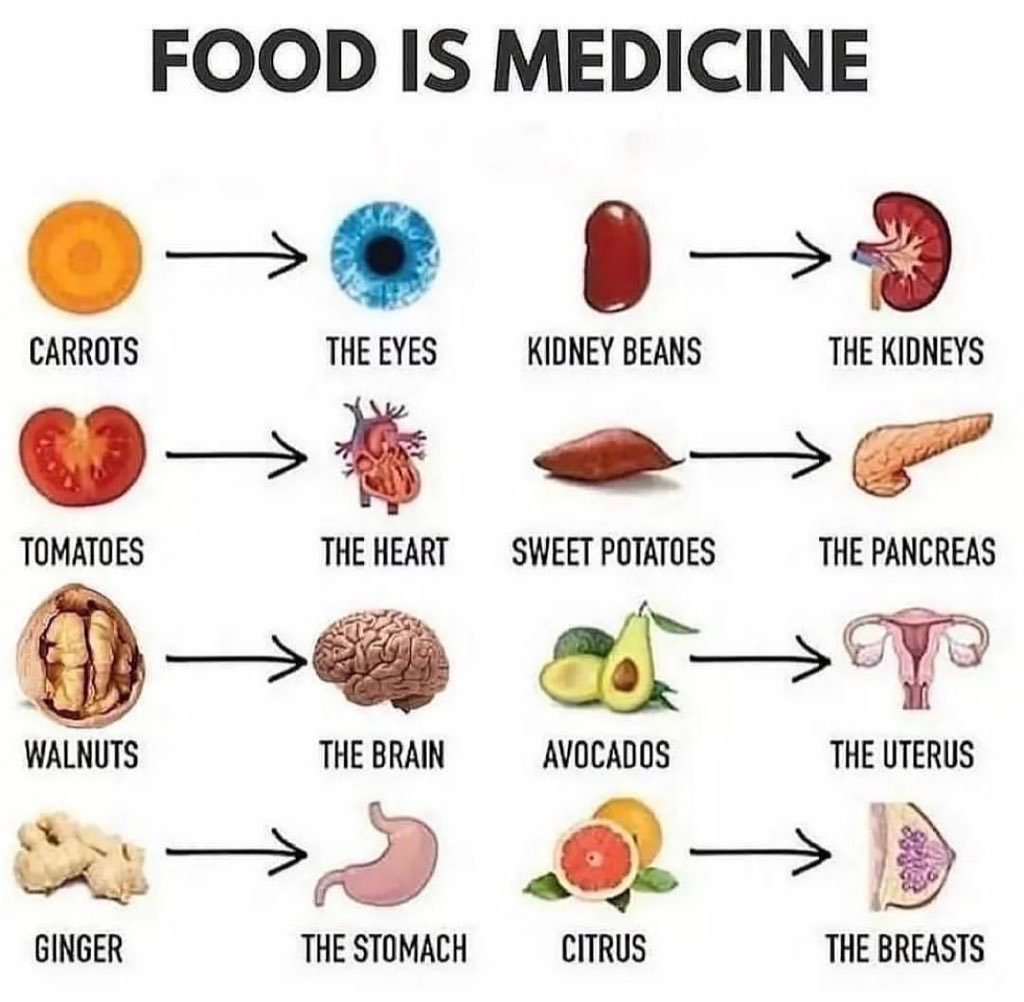
The foods we eat provide our bodies with nutrients for proper functioning. A diet high in processed foods causes inflammation, leading to chronic health problems. A diet rich in whole, nutrient-dense foods improves physical health, boosts the immune system, and reduces chronic disease risk. The foods we eat also affect mental well-being—a diet high in processed foods contributes to anxiety and depression, while a diet rich in fruits, vegetables, whole grains, and healthy fats improves mood and cognitive function.
Five Steps to Dietary Success
Changing your diet can be challenging, but these strategies make the process easier:
- Set realistic goals: Start with achievable targets like eating five servings of fruits and vegetables daily.
- Track your progress: Keep a food journal to notice patterns and celebrate small wins.
- Build a support system: Seek help from friends, family, or a health coach for personalized guidance.
- Make it sustainable: Focus on adding nourishing foods rather than only removing “bad” foods.
- Practice patience: Remember that real transformation takes time—be kind to yourself along the way.

Conclusion: Nutrition as Your Transformation Tool
Changing your diet can significantly impact your overall wellbeing—from improving physical health to boosting mental and emotional resilience. While there’s no one solution to life’s challenges, changing your diet creates a profound shift in your capacity to overcome adversity. You can reduce chronic disease risk, improve mood and cognitive function, and enhance your overall quality of life. Start with small changes and seek support to achieve your goals—with time and dedication, you can use nutrition to change adversity and improve your life.
Your Call to Action
This week, replace one processed food with a whole food option and notice how your body and mood respond. Perhaps swap sugary snacks for nuts, white bread for whole grains, or fast food for a home-cooked meal. Share in the comments: How has changing your diet transformed your health and resilience? Let’s inspire each other to eat our way to wellness!
Want to deepen your food-health journey?