

Hope this finds you well and among the millions of people in the USA who do not have diabetes. Perhaps you might have this condition and not even know it. Diabetes is a chronic health condition that affects how your body turns food into energy. It’s a nationwide epidemic and global problem that continues to escalate as food quality decreases and activity levels drop. So what are you doing to prevent or heal yourself from this chronic health condition?
I was diagnosed as pre-diabetic a few years ago. After working in my bakery cafe for 37 years eating countless pounds of sugar, stacks of blueberry pancakes, and pecan sticky buns, I now, as a senior citizen, face daily challenges to heal and prevent diabetes. There are plenty of reasons to take diabetes seriously and just as many things we can do to prevent and heal.

The Diabetes Crisis We’re Facing
According to the Centers for Disease Control and Prevention:
- More than 37 million people in the United States have diabetes, and 1 in 5 don’t know they have it
- 96 million US adults—over a third—have prediabetes, and more than 8 in 10 don’t know they have it
- Diabetes is the 7th leading cause of death in the United States
- Type 2 diabetes accounts for 90-95% of all diagnosed cases
- In the last 20 years, the number of adults diagnosed with diabetes has more than doubled
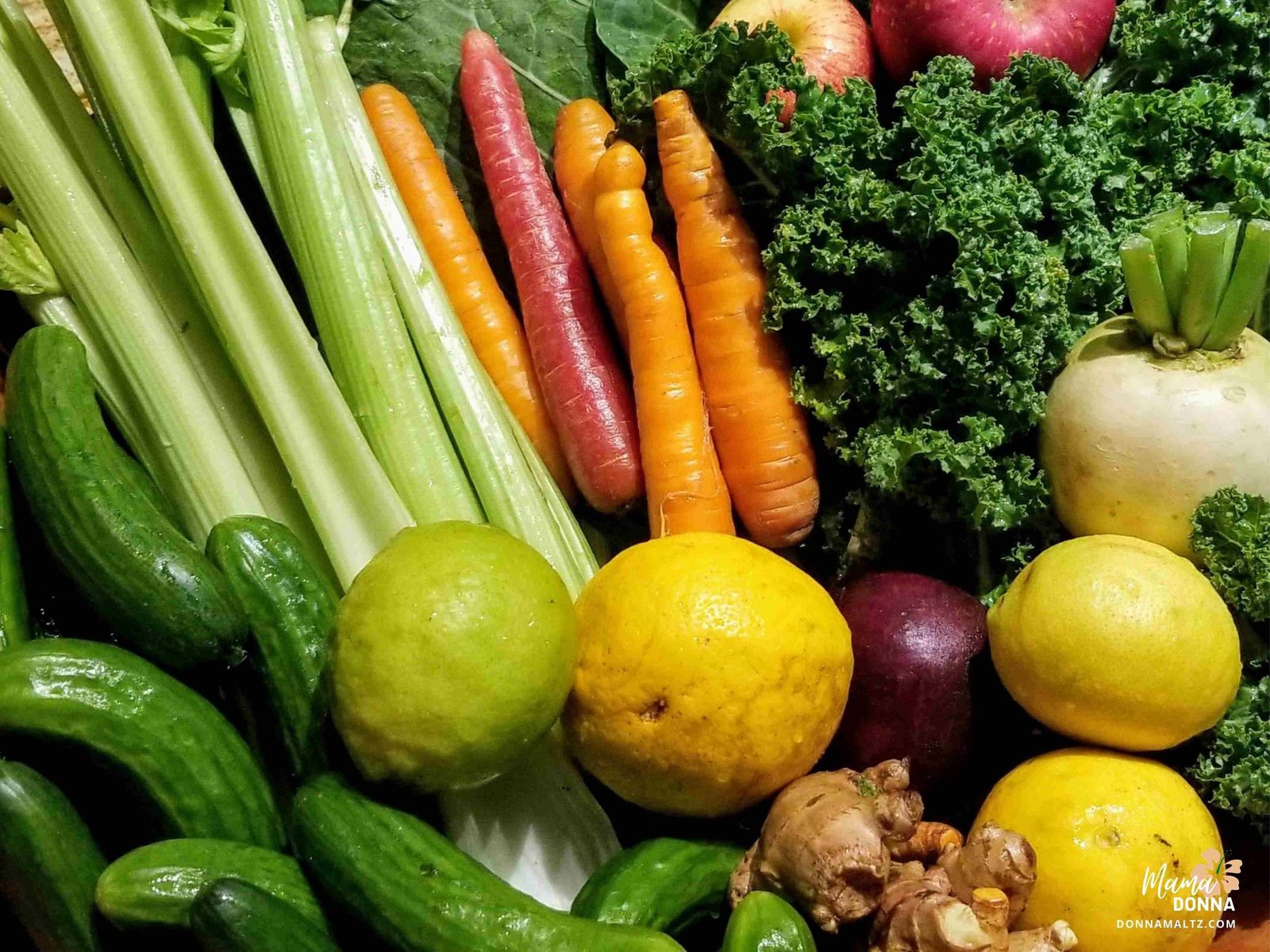
Powerful Foods for Diabetes Management
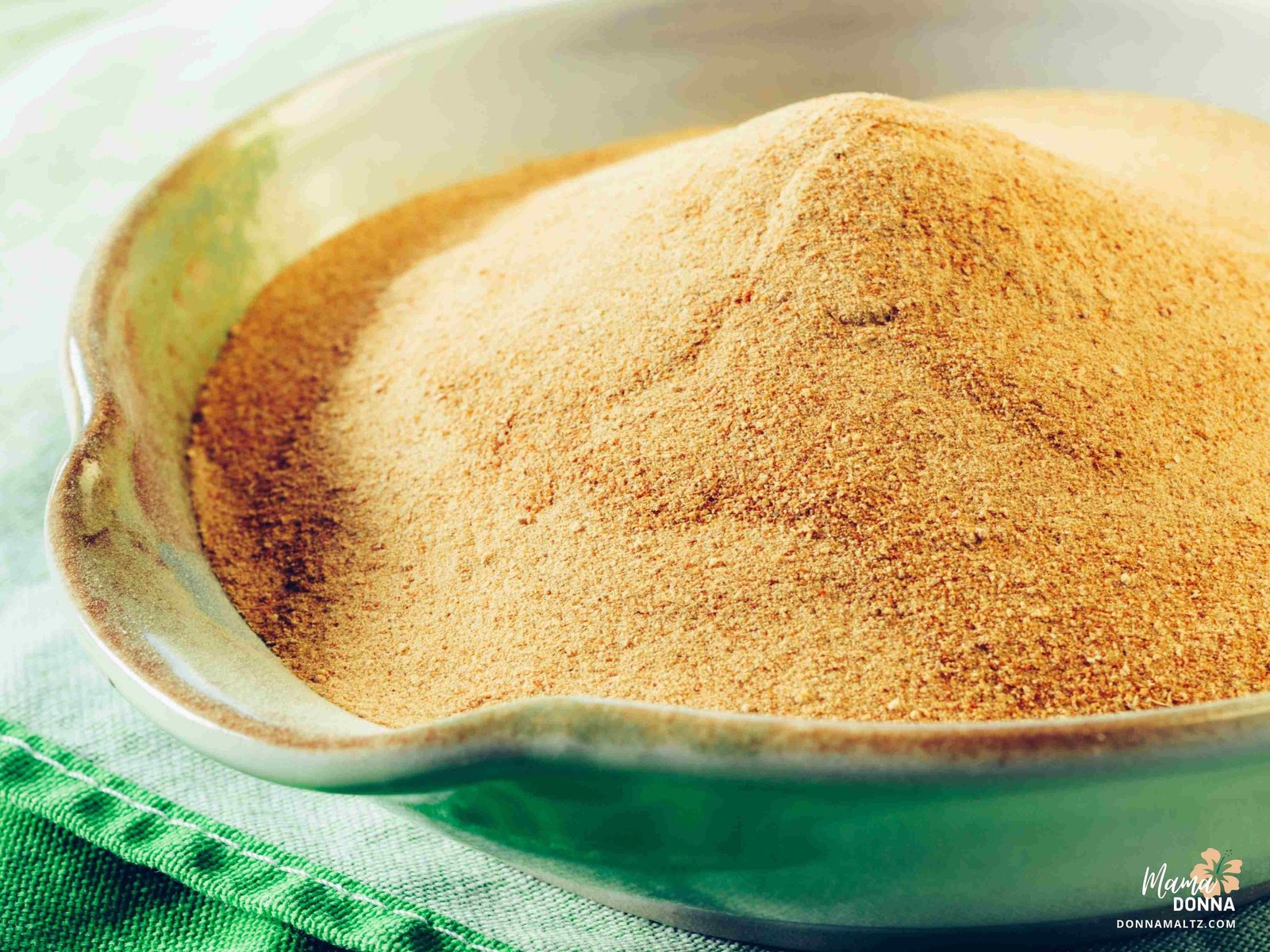
Brewer’s Yeast: A Wonder Food
Brewer’s yeast is rich in the trace mineral chromium, which helps the pancreas produce more insulin. This mineral is one of the best supports for normal sugar handling by the body. According to research by Dr. Richard J. Doisy and others in the Medical World News, brewer’s yeast has lowered the insulin requirements of many diabetes patients.
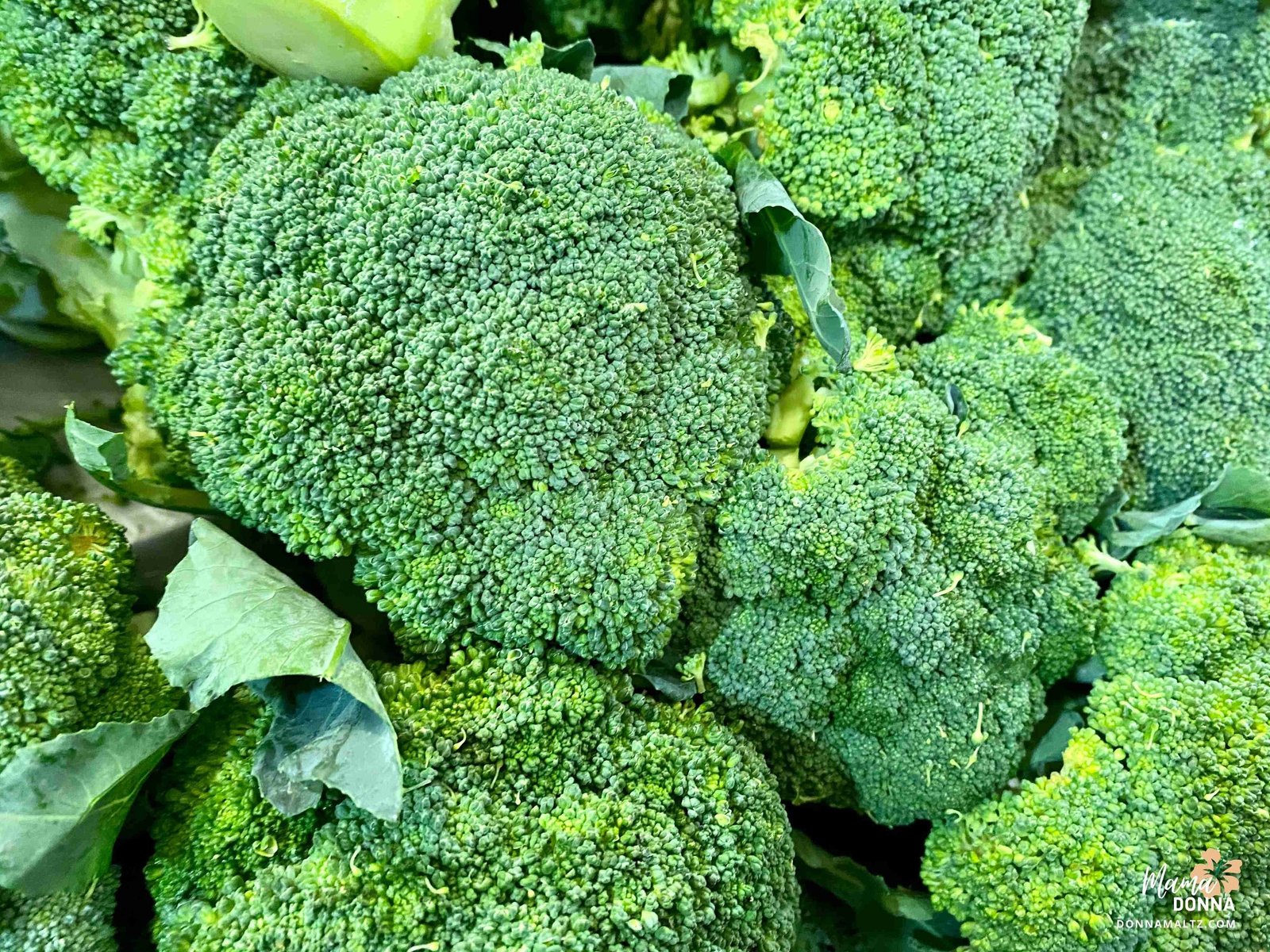
Broccoli: The Anti-Diabetic Vegetable
Broccoli, a relative to cauliflower, is a proven effective anti-diabetic food. It’s a rich source of chromium, a trace mineral that lowers blood sugar and regulates glucose levels. This mineral often reduces the medication and insulin needs of diabetes patients. In mild diabetes cases, chromium may prevent the disease’s full onset.
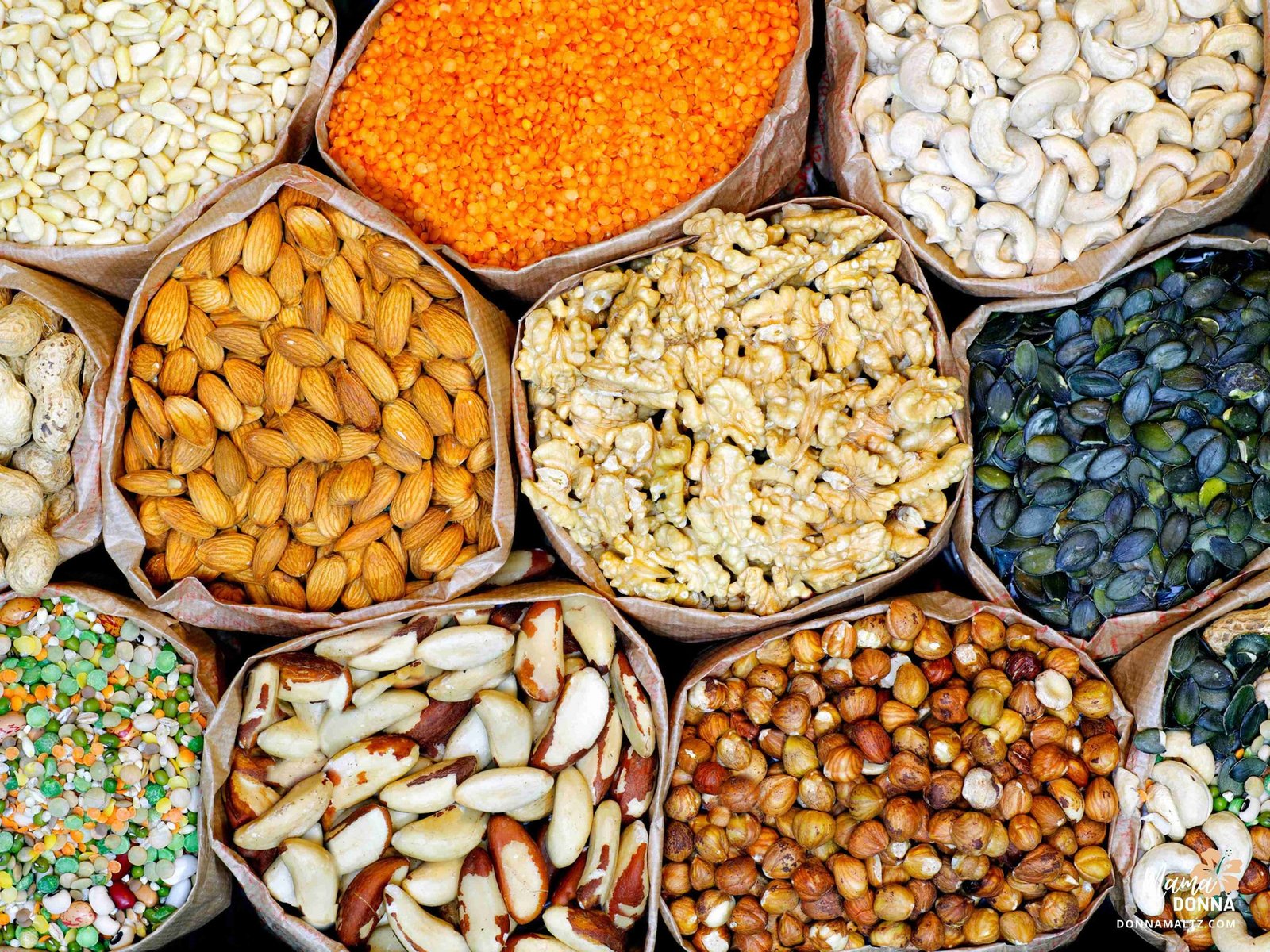
Nuts and Seeds: Protein-Packed Snacks
Nuts and seeds, when prepared right, are delicious, nutritious no-carb snacks. They’re full of protein and healthy fats your body uses to rebuild cells and stay healthy. They also contain vitamins and minerals that are hard to find elsewhere. Watch out for sweetened varieties like honey roasted, which add unwanted carbs, sugars, and sodium.
Curd (Yogurt): Pancreatic Support
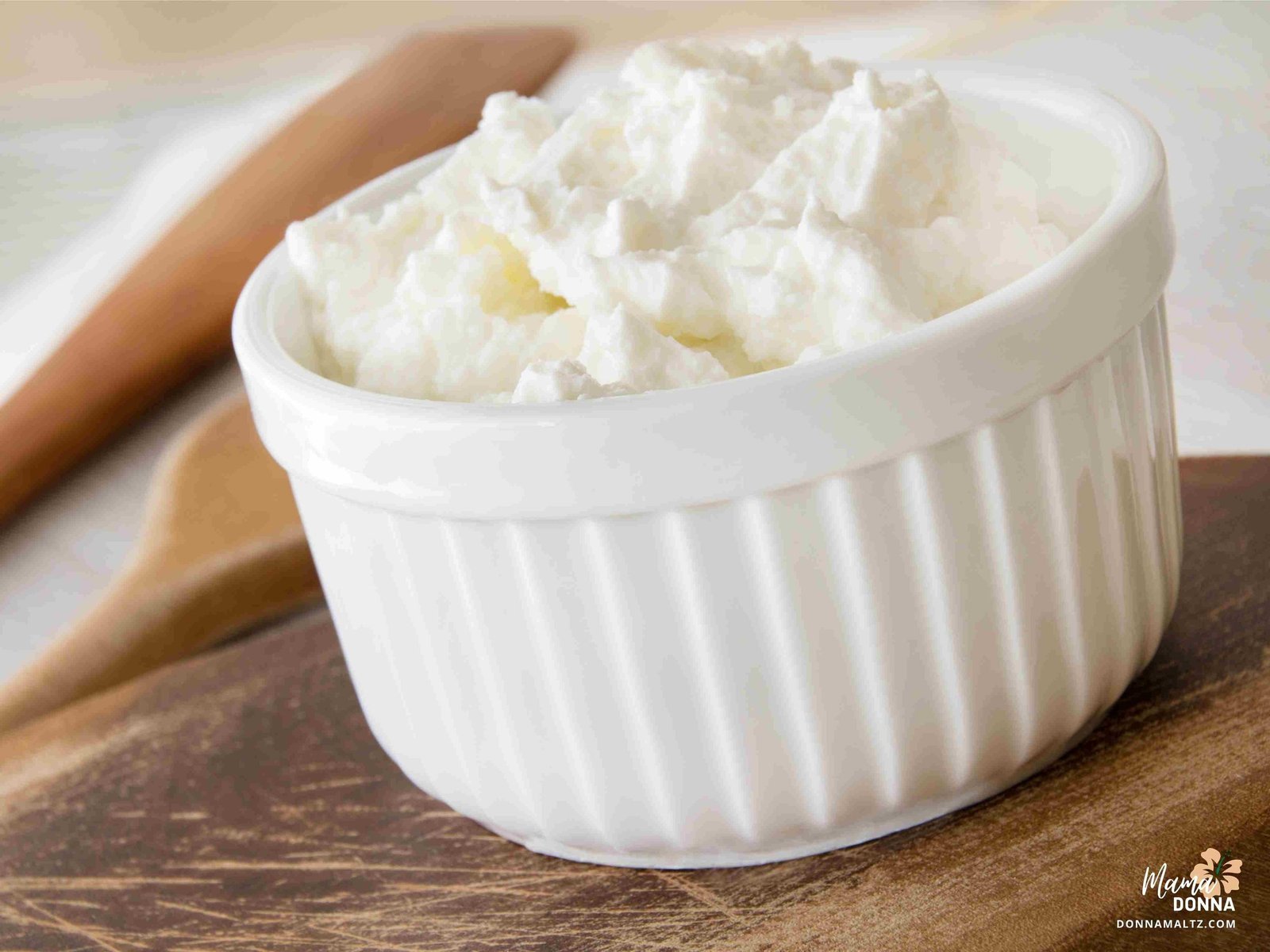
Curd injects friendly bacteria into the digestive system that stimulate the pancreas. It also washes the pancreas of its acids and wastes, enabling better insulin production. These cleansing actions allow the pancreas to perform much better and support healthy blood sugar.
Garlic: A Powerful Blood Sugar Tool
In scientific trials, garlic and its constituents have been found to lower blood sugar in diabetes. This vegetable is rich in potassium, which replaces the large quantities lost in diabetic urine. It also contains zinc and sulfur, which are constituents of insulin. Garlic constituents appear to block the inactivation of insulin in the liver, resulting in higher blood insulin levels and lower blood sugar.
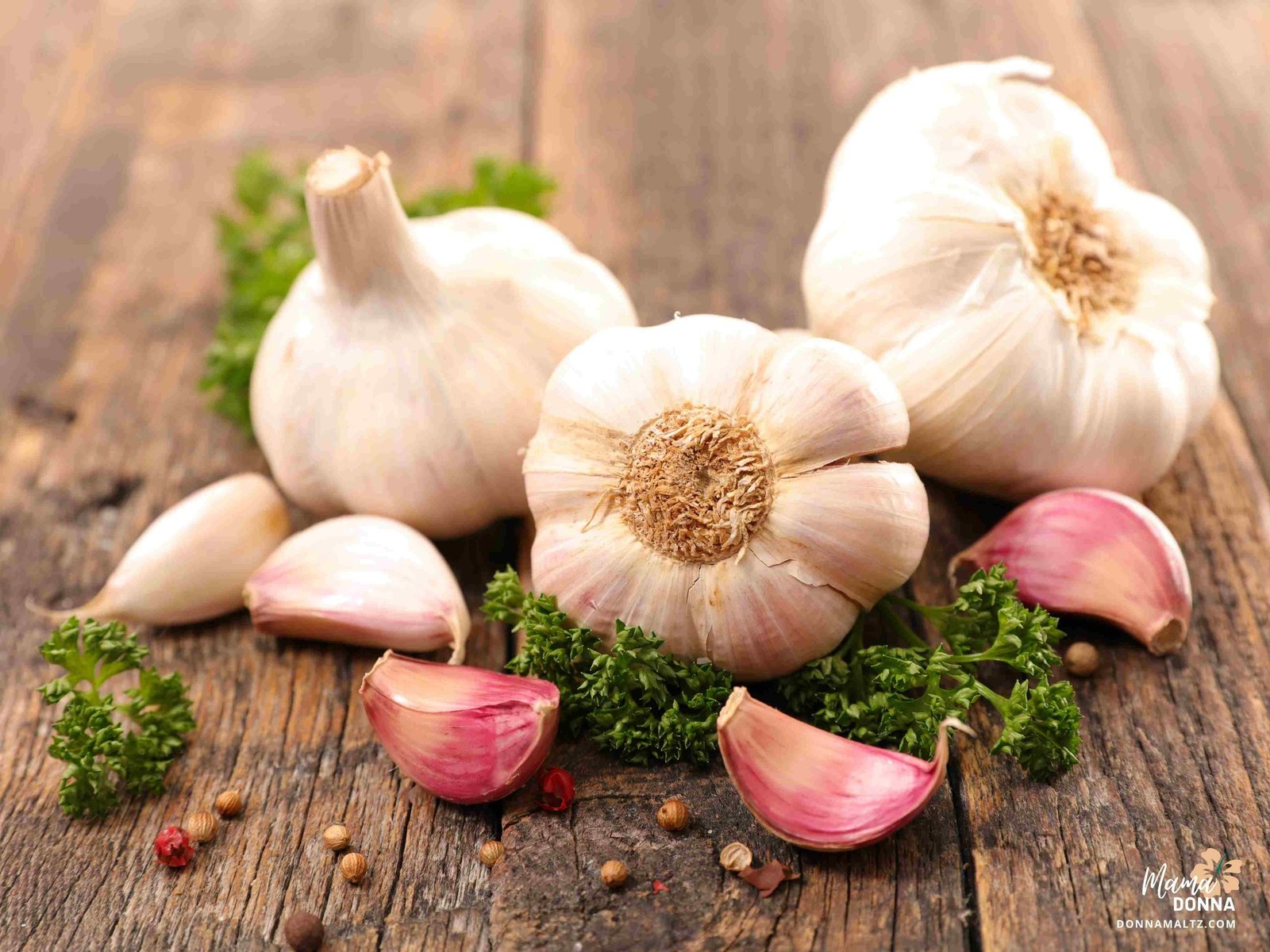
Garlic has other benefits for diabetes besides lowering blood sugar: it prevents arteriosclerosis, a common complication, and relieves body pain. Diabetics can take the equivalent of one or two cloves daily in any form—raw, cooked, or as capsules.
Vegetable Sticks: No-Carb Nutrition
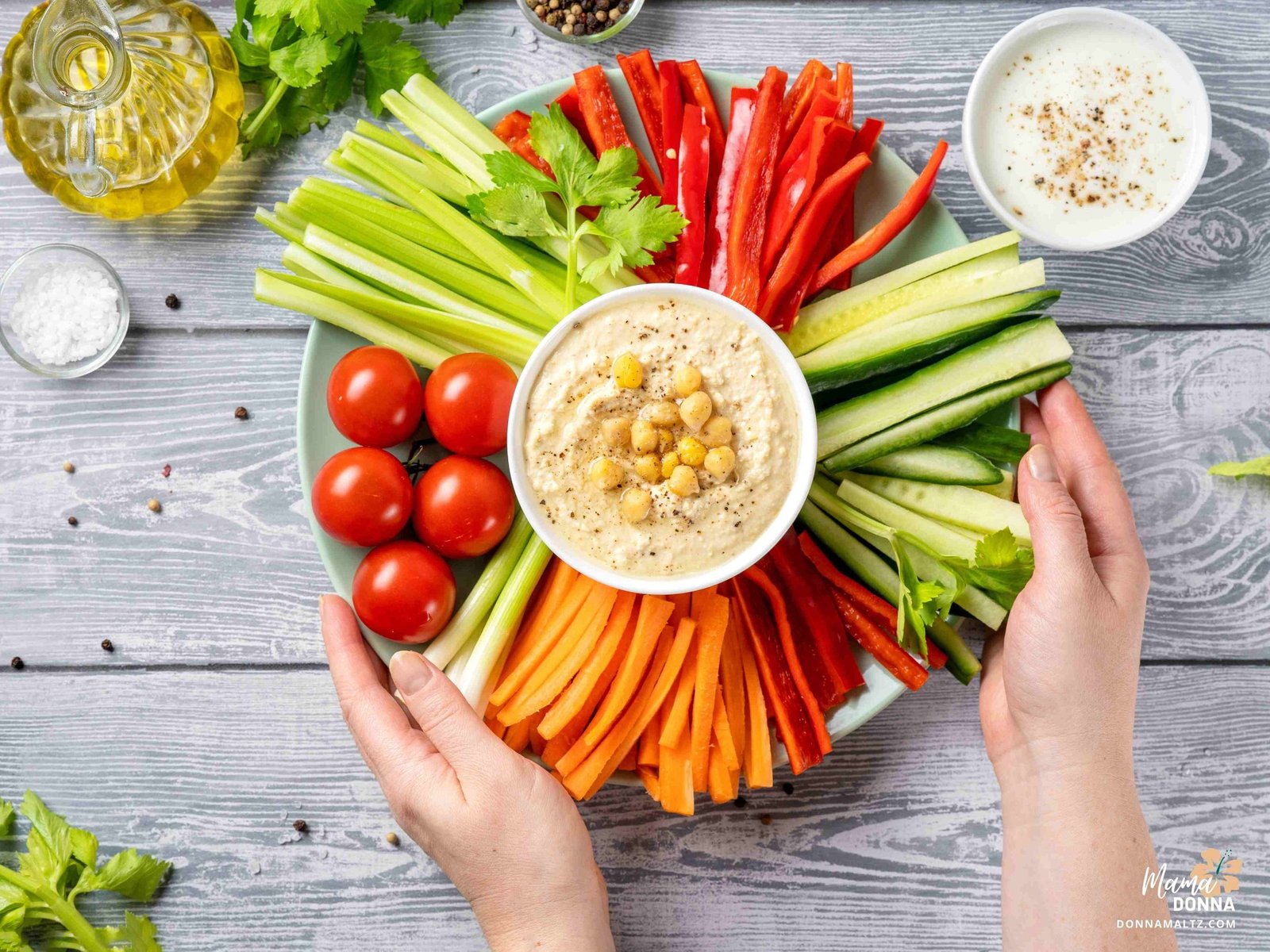
Vegetables are another no-carb, no-sugar snack you can feel good about. Depending on the vegetable, they offer all kinds of healthy vitamins and minerals plus dietary fiber hard to find in other foods. Carrot sticks, snap peas, broccoli, and cauliflower taste good and retain their crunch when kept cold. Avoid high-carb dips; instead, try yogurt with no sugar added or soft cheese like cottage cheese.
Bengal Gram (Chickpea): Ancient Wisdom
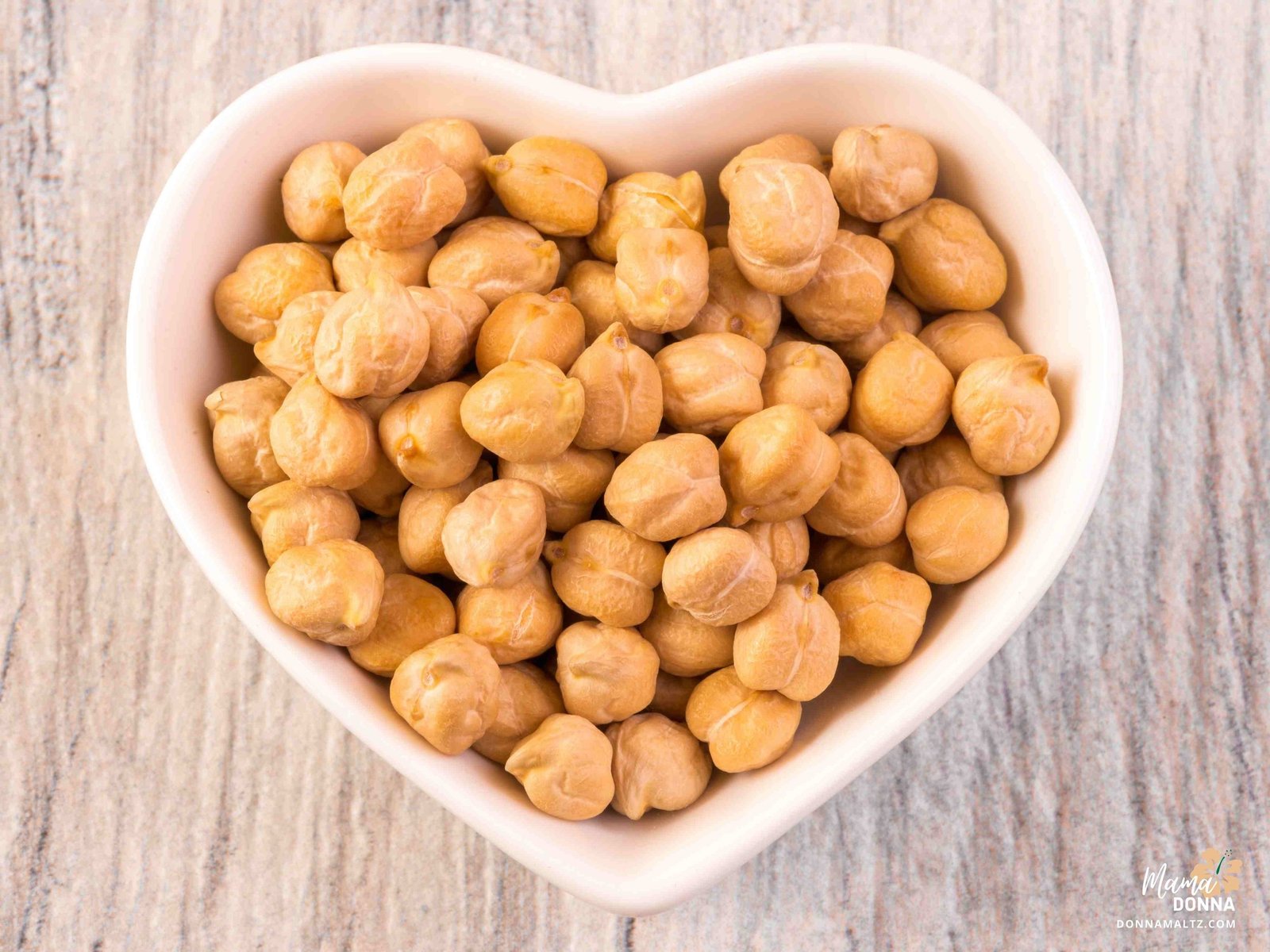
Bengal gram, also known as chickpea, is a widely used and important component of the Indian diet. Experiments have shown that the water extract of Bengal gram increases glucose utilization in diabetics and normal people. In a study at Central Food Technological Research Institute in Mysore, insulin requirements for chronic diabetes patients decreased from 40 units daily to 20 units when kept on a diet with liberal Bengali gram extract supplements.
Bitter Gourd: Medicinal Vegetable
The bitter gourd is a common vegetable with excellent medicinal virtues. It’s been used as folk medicine for diabetes since ancient times. Research established that it contains an insulin-like principle called plant-insulin, beneficial for lowering blood and urine sugar levels. Bitter gourd is thus an effective anti-diabetic food and should be included liberally in diabetic diets.
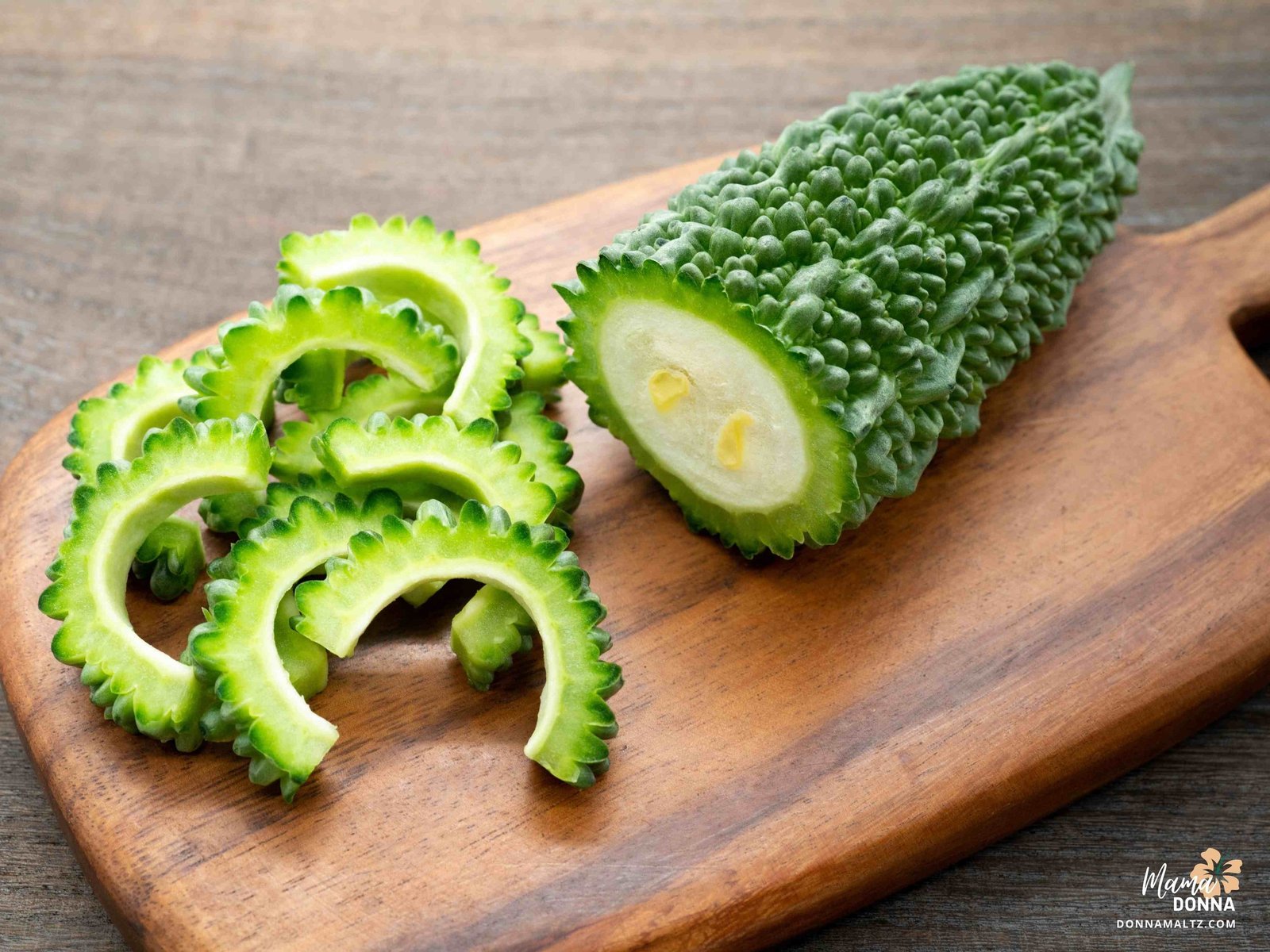
Juice of three or four bitter gourds taken on an empty stomach has proven more effective than eating fruits. The seeds can be powdered and added to regular meals. Bitter gourd is rich in vitamins A, B1, B2, C, and iron, preventing many complications including hypertension, eye problems, and defective carbohydrate metabolism.
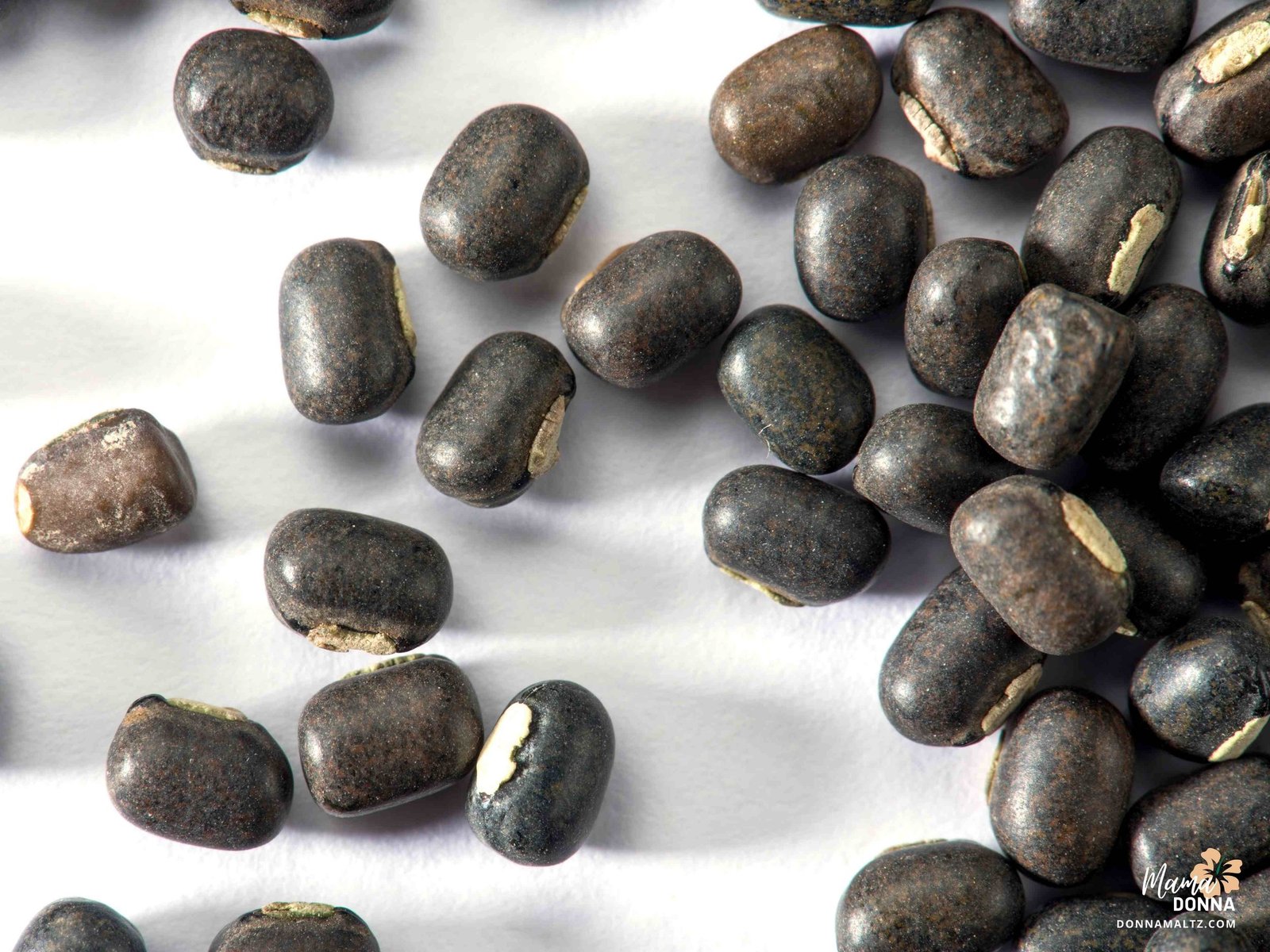
Black Gram (Kala Chana): Pulse Power
Black Gram, also known as Kala Chana and black chickpeas, is a highly prized pulse in India. This low-glycemic pea is packed with nutrients, protein, dietary fiber, and complex carbohydrates, making it a great choice for those with diabetes. Germinated black gram, taken with fresh bitter gourd juice, forms an effective remedy for mild diabetes.
Groundnuts/Peanuts: Legume Benefits
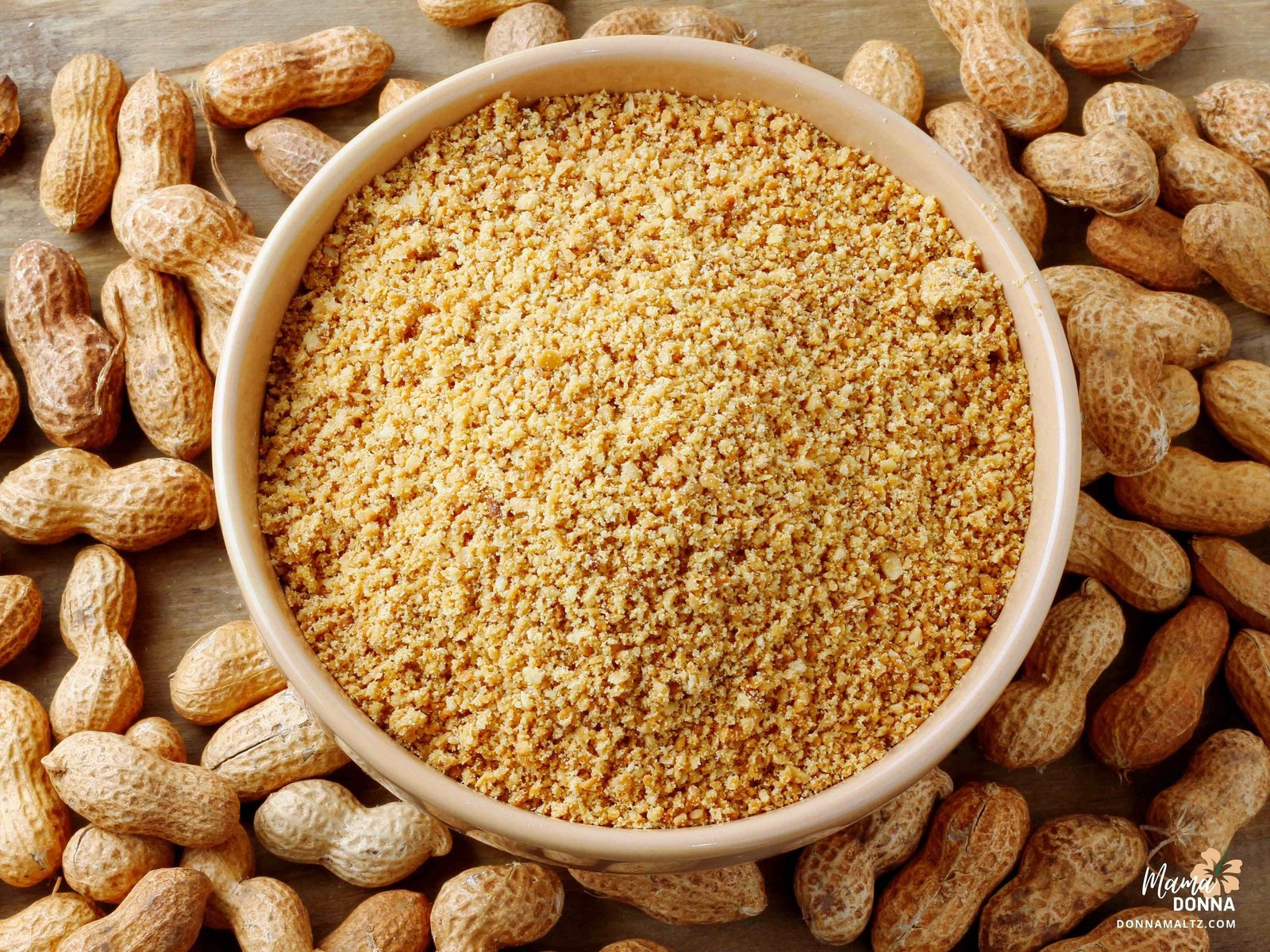
Unless you’re allergic to peanuts, they’re valuable in diabetes. A recent study found that peanuts are a great nutritious snack to include in your diet. According to Diabetes Council, they help regulate blood sugar and prevent type 2 diabetes. Because they’re legumes, they’re closer to beans than actual nuts, offering the same properties as beans and peas.
Your Path to Prevention
When it comes to your health, the best recommendation is to be proactive. Remember, it is YOUR health. Learn something new every day that will improve your health. I learned long ago that stress is the number one killer and contributes to all chronic illnesses. Getting out into Nature is the best stress reliever.
Why get out every day and take a mindful, meditative walk in Nature? The closer we get to nature, the closer we get to our true nature, and the healthier we are.

Your Call to Action
This week, incorporate one recommended food into your meals and research its traditional uses. Notice how your body responds when you choose nutrient-dense whole foods. Share in the comments: Which food on this list are you excited to try or already enjoy?

Wouldn’t you like to feel spectacular about giving?
This holiday season, shop ecospired and feel how good it can feel to give. Double your giving knowing all profits will go to preserve Nature. 🎁

Join our Soil to Soul De-stress and Thrive Community 🌈

Wouldn’t you like to be part of a supportive, fun and positive community?