


Introduction: A Wake-Up Call at 37
At 37 years old, I was fat, sick, and barely functional. When the scale hit 204 pounds on my 5’2” frame, something had to change. That winter, I discovered the healing power of microbes and began rebuilding my health from the inside out. This wasn’t just about weight loss—it was about understanding the invisible foundation of all life. Without these single-cell organisms, we couldn’t survive, yet they’re everywhere, invisible to the naked eye, working to keep us alive.
In last week’s article, I touched upon our microbiome. Today I’m digging deeper into how our gut health directly impacts our personal health and the planet’s health. This matters because our survival and the Earth’s survival depend entirely on these microscopic organisms.
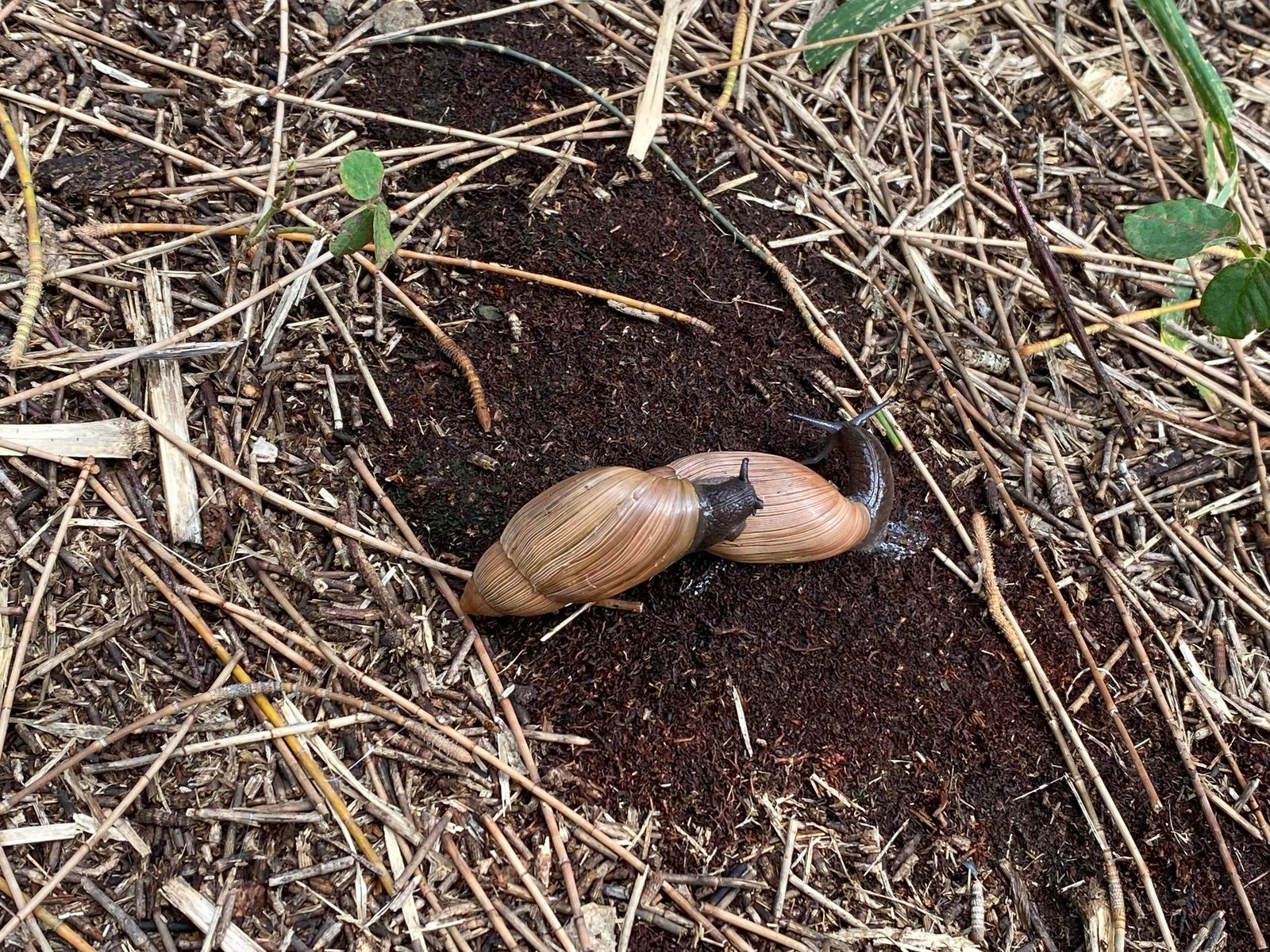
Understanding Microbes: The Oldest and Most Vital Life Form
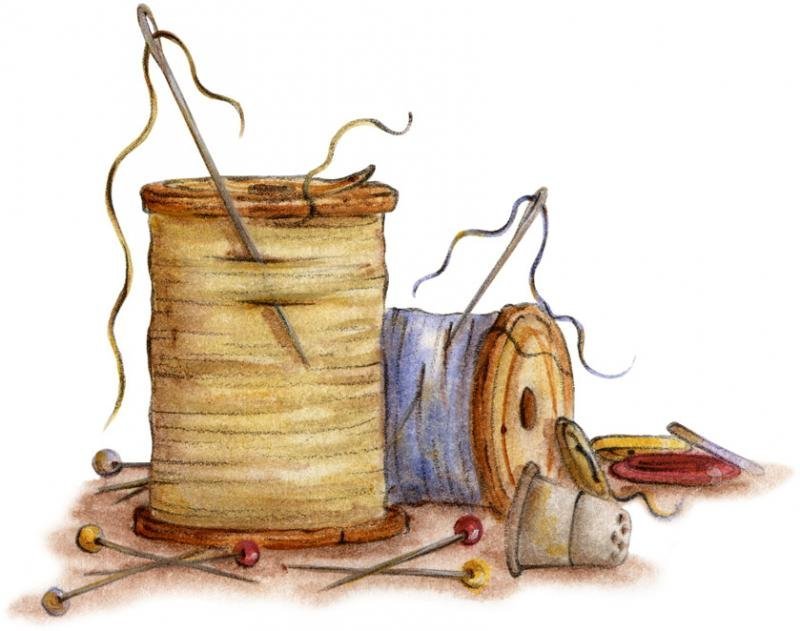
Microbes are microorganisms too small to see with the naked eye—bacteria, archaea, fungi, and protists that have existed for over 3.5 billion years. Millions of them can fit in the eye of a needle, yet they’re everywhere: in the air, soil, food, and inside your body. Your body contains trillions of microorganisms that outnumber your human cells by 10 to 1. There are more microbes on your hand than people on the entire planet!
Despite making up only 3% of your body’s mass (2-6 pounds in a 200-pound adult), microbes play a vital role in virtually every aspect of your health. Without them, we cannot digest food, plants won’t grow, garbage won’t decay, and there wouldn’t be oxygen to breathe. They are the hidden foundation of all life.
How Microbes Impact Your Health
What you eat, how you think, and how you live directly affects your gut bacteria composition. Your gut microbiome can be your strongest ally or your worst enemy. Studies show that gut bacteria produce neurotransmitters affecting brain health and mental disorders. A damaged gut isn’t just about digestion—it impacts immunity, mood, and resilience.
Healthy, live food feeds beneficial microbes and creates a thriving gut ecosystem. Processing foods, excessive sugar, and junk food kill these allies and invite pathogenic bacteria. When you change your gut, you change your life.
How to Restore Gut Health
Start by welcoming healthy microbes into your body through these practices:
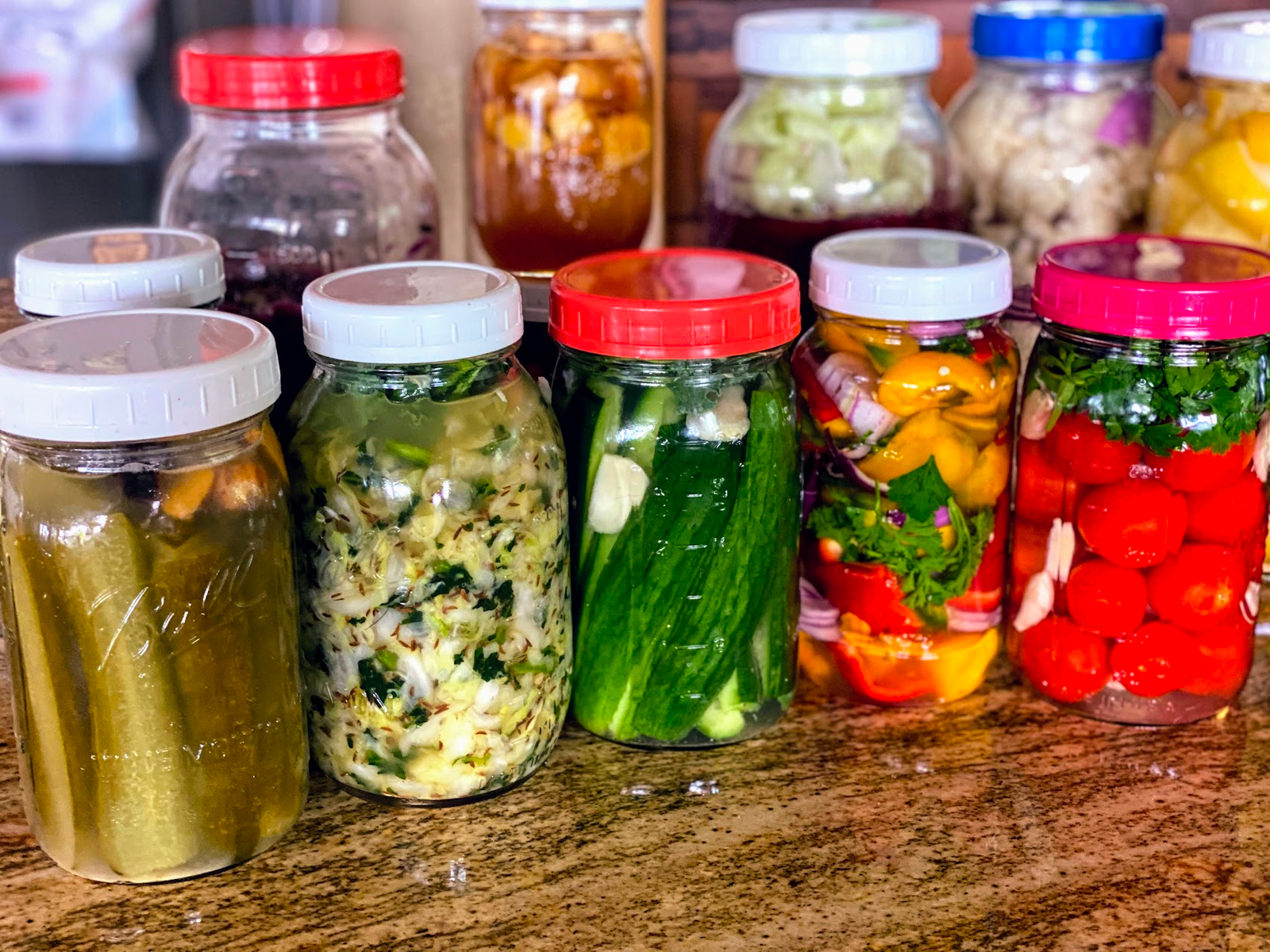
- Add fermented foods to your daily diet
- Eat only organic fruits and vegetables from local farmers
- Reduce stress consistently
- Eliminate processed sugar and processed foods
- Avoid unnecessary antibiotics
- Get daily grounding—walk barefoot or work in the soil
- Spend time in nature breathing fresh air
- Avoid antibacterial products containing Triclosan
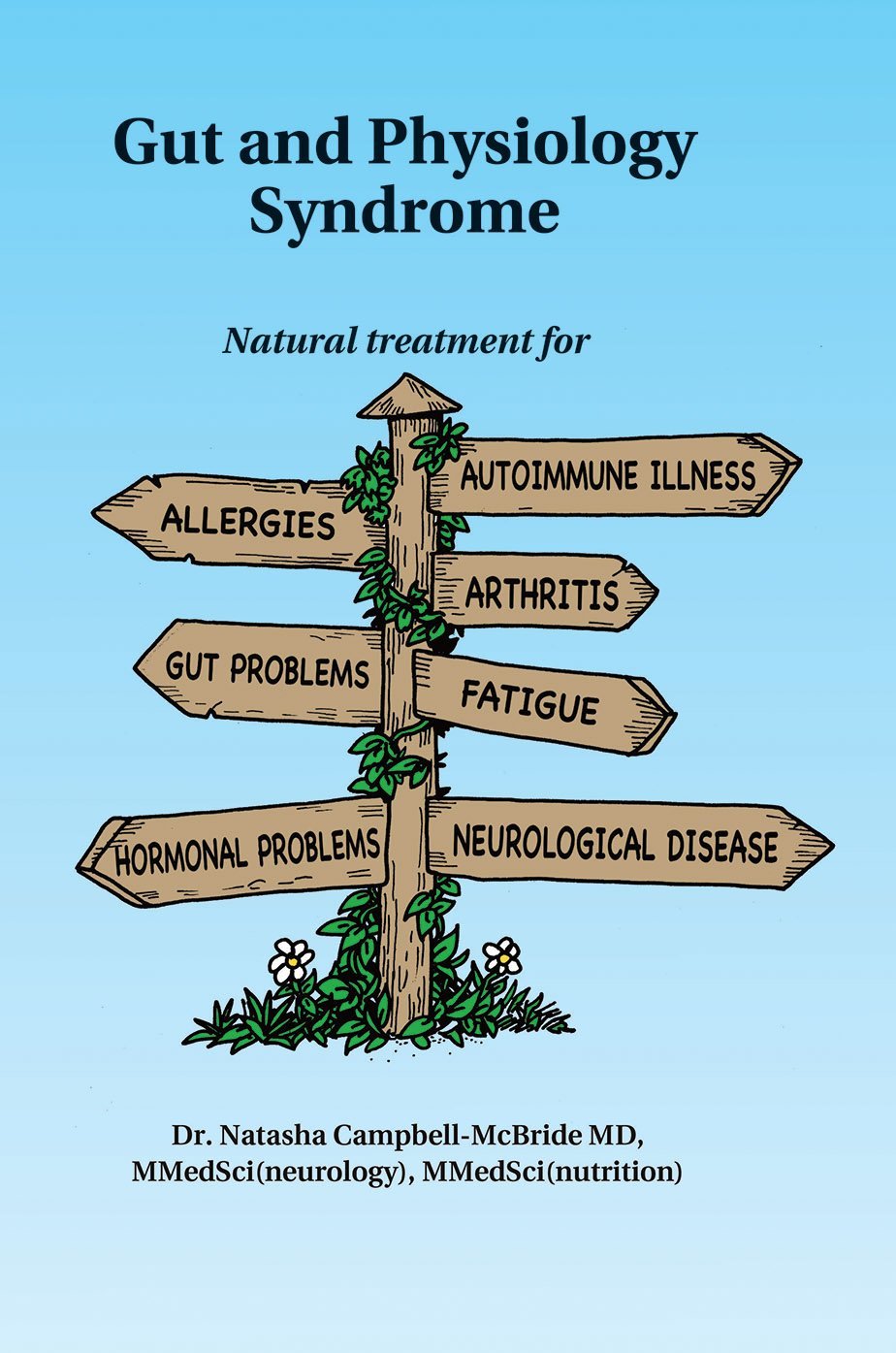
Note: If you suspect leaky gut, chronic diarrhea, or constipation, explore Dr. Natasha Campbell’s GAPS diet (Gut and Psychology Syndrome) research—it has helped thousands reclaim their microbiome health.
The Microbiome Connection: Soil to Human to Planet
Healthy soil is full of microbes—8 to 15 tons of bacteria, fungi, and organisms per acre. Just as your gut reflects what you feed it, soil health reflects what’s added to it. When soil is healthy and biodiverse, it controls disease-causing pathogens and reduces human disease outbreaks. Harvard research confirms that carbon-rich, biodiverse soils reduce parasitic and pathogenic infections in both humans and animals.
The health of the soil directly impacts the health of the food grown in it, which directly impacts your health. When we eat from healthy, regenerative soil, we’re consuming microbes that strengthen our own microbiome. This is the living connection between Earth and human wellbeing.
A Warning About Antibacterial Products
The widespread use of antibacterial products containing Triclosan damages both your microbiome and the planet’s. These chemicals accumulate in your body and the environment, linked to skin irritations, allergic reactions, and disrupted microbial ecosystems. There are many natural alternatives mega-corporations would prefer you don’t know about. Choose carefully and question what you’re using.
Conclusion: We Are Made of Earth
There are more microbes in a tablespoon of healthy soil than people on Earth. We are made of the Earth’s elements: oxygen, carbon, hydrogen, nitrogen, calcium, and phosphorus. When the Earth’s microbiome is healthy, it means we’re relating to nature’s systems and cycles, and we’re healthier. The connection isn’t metaphorical—it’s fundamental biology.
Your Call to Action
This week, get down to earth—literally. Walk barefoot on soil, place your hands in the earth, or plant something. Commit to eating one fermented food daily and one organic, locally-grown meal. Notice how your energy and digestion respond. Share in the comments how you’re connecting with the invisible foundation of life!
Learn more about gut health and microbiome science:
✨Download FREE Ebook: Conscious Cures for Gut Health✨