

Pay regenerative farmers NOW or the pharmaceutical company’s later.
Introduction: Food is Sacred and Medicine
Aloha Beautiful Souls. I love everything about food except that everyone cannot indulge as I do, and I am on a mission to change this fact. Although the problems of the world are increasingly complex, the solutions remain embarrassingly simple. ~ Bill Mollison, “the father of permaculture,” researcher and biologist
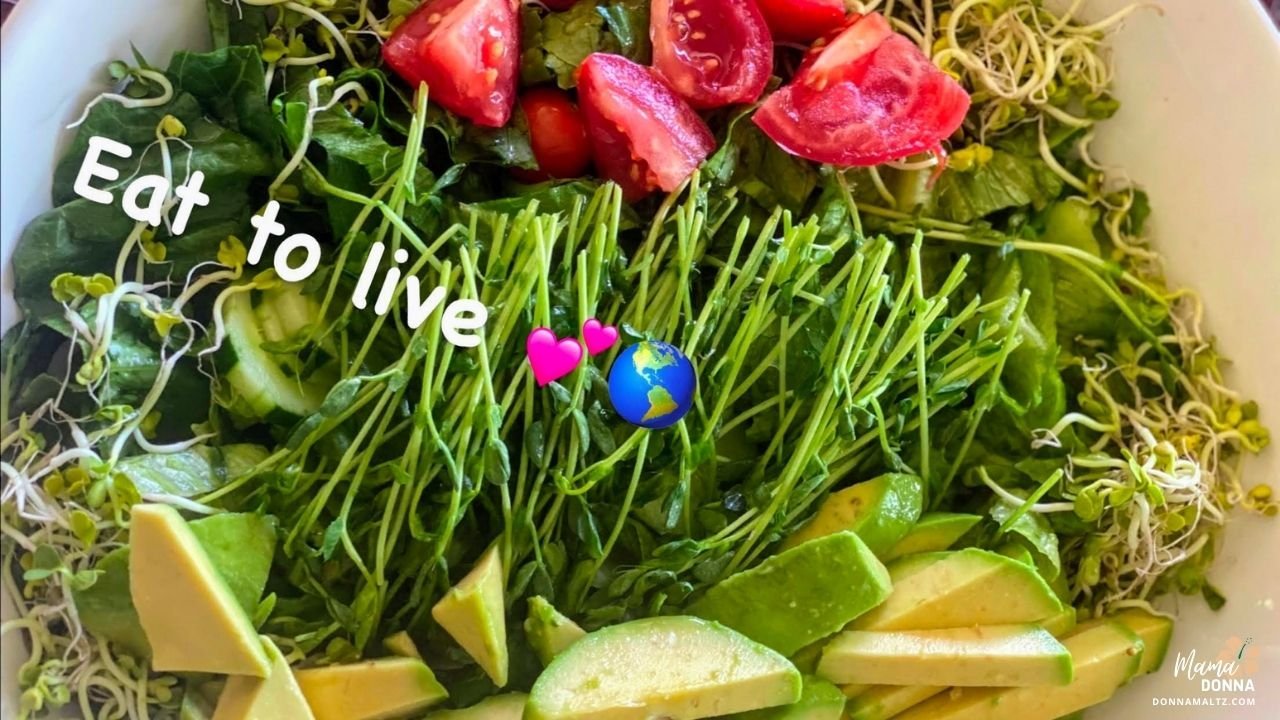
Food is sacred. Food is medicine, not a disposable commodity to be taken for granted. There are endless opportunities to expand the effort to ensure people have access to healthy food. Raising quality food and stewarding the land is an honorable and necessary profession. A concerted effort, determination, and courage are necessary to replenish the soil and reset humanity’s mindset.
Strategy #1: Master Home Health Remedies
Health is our greatest wealth, and home health remedies are worth mastering—we cannot find them in a pharmacy. There are helpful time-tested remedies like taking an Epsom salt bath that relieves aching muscles and calms our nerves. Folk remedies and supplements may not cure COVID, but they can make you feel better by relieving symptoms. Many of us find relief using baking soda, food-grade hydrogen peroxide, zinc, vitamin C and D, adaptogens, and apple cider vinegar.
Key remedies to master:
- Jewish penicillin—chicken soup: Good old-fashioned chicken soup has cured almost every cold and flu
- Bone marrow broth: Made by slow-cooking bones with apple cider vinegar to draw out minerals
- Nutrient-dense broths: Powerhouse sources to build immune systems and use every part of an animal that sacrificed its life for us
Strategy #2: Eat a Low-Carbon Food-Print Diet
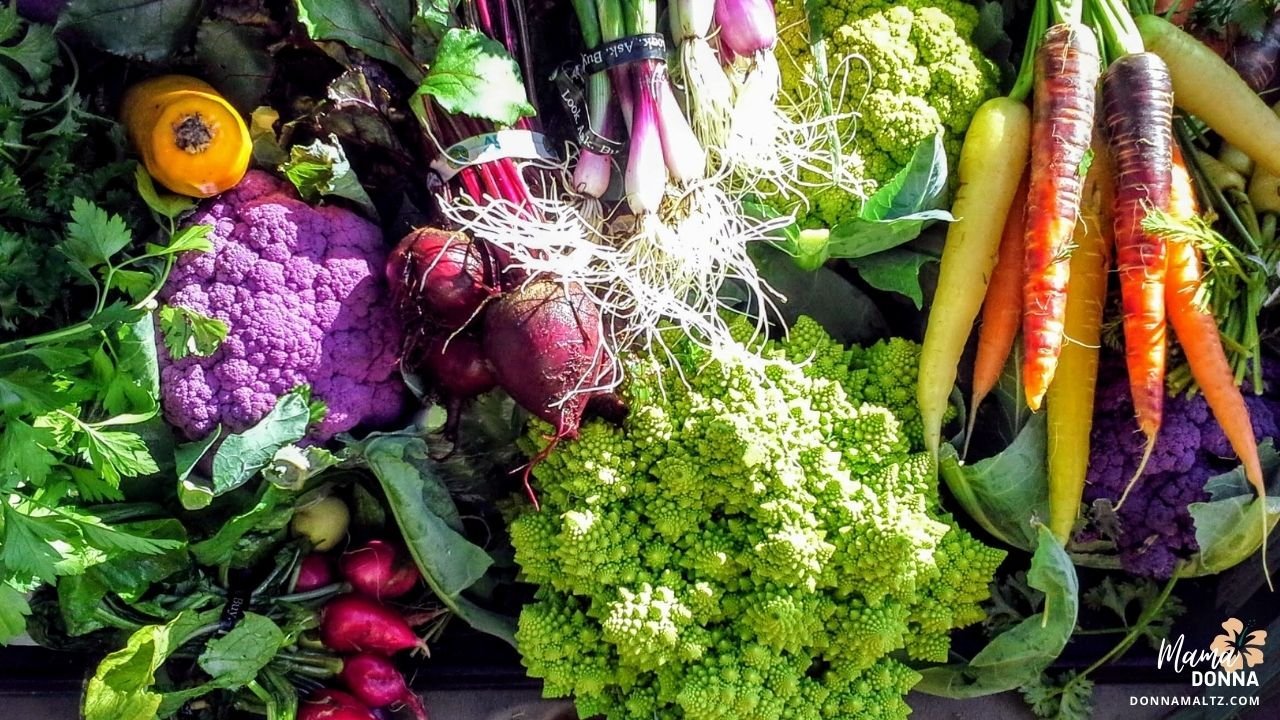
“FoodPrint” is a program from GRACE Communications Foundation that works to “advance pragmatic and humane solutions” to food, environmental, and public health problems. They inspire sustainable lifestyle changes through trusted science. Eating a primarily plant-based diet has been essential to regenerate my body, mind, and spirit. A plant-based diet is not just good for our health—it’s good for the Earth’s health.
How to eat a low-carbon diet:
- Shift toward plant-based foods to add up to 49 percent to the global food supply without expanding croplands
- Significantly reduce carbon emissions and waste through your food choices
- Eat all the colors of the rainbow, as diversity is essential to life—our bodies thrive when we get a wide variety of nutrients
- Listen to your body and notice the subtle signs—the way we eat builds the foundation of our body
- Read labels and stay informed of the origins of your food
- Eat more food grown from healthy plants and less food manufactured in a factory or Big Ag farm field
Strategy #3: Make Eating a Spiritual Act
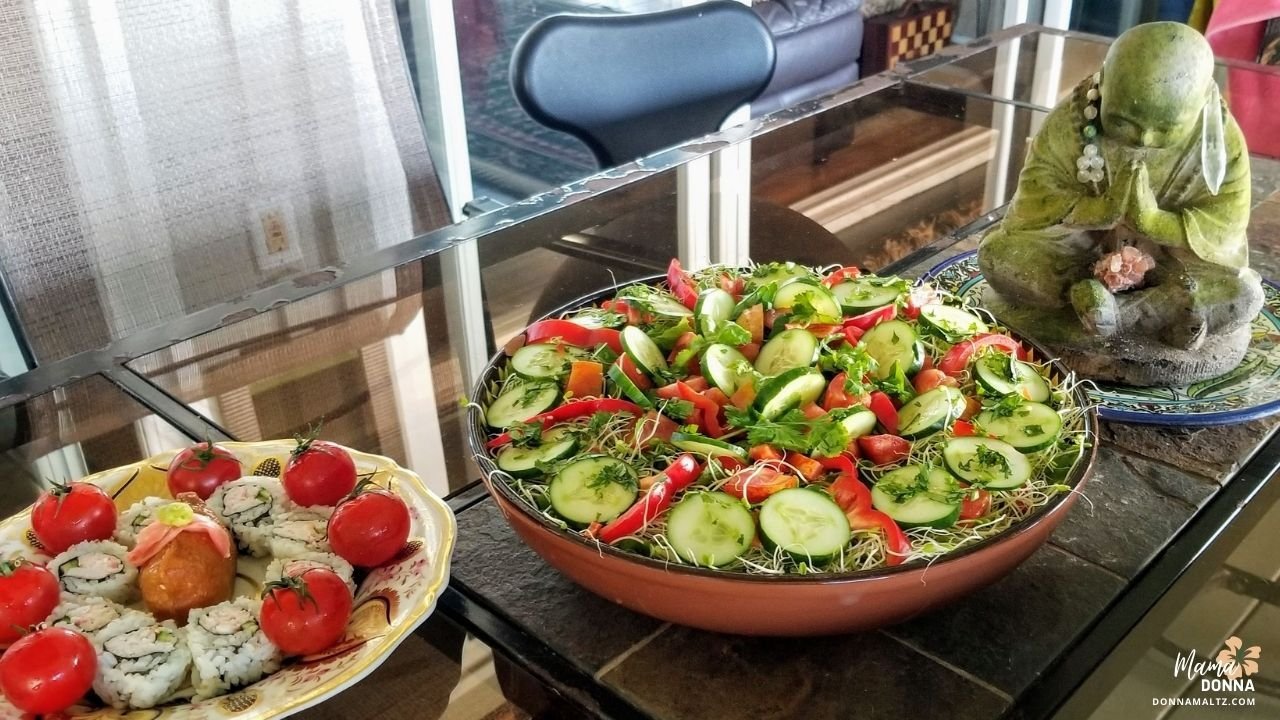
Food is sacred—food is life. Our fast-paced lifestyle has demanded poor eating habits. It’s easy to sit down and mindlessly gobble a bowl of food. However, when we slow down and consciously consume food, we understand each bite’s effects on us and move toward healthier choices.
Practices for spiritual eating:
- Find a quiet place, without distractions, where you can sit and enjoy your food
- Take the time to breathe when eating and be mindful of how it feels as it enters your body
- Give thanks from the depths of your soul to the plants and animals who gave up their lives for you and to the farmers who feed the world
- When possible, meet your meat before you eat it and rejoice around food with family and friends
- Make meal preparation a family activity that results in less food waste and more connection
Strategy #4: Support Local Farmers and Regenerative Agriculture
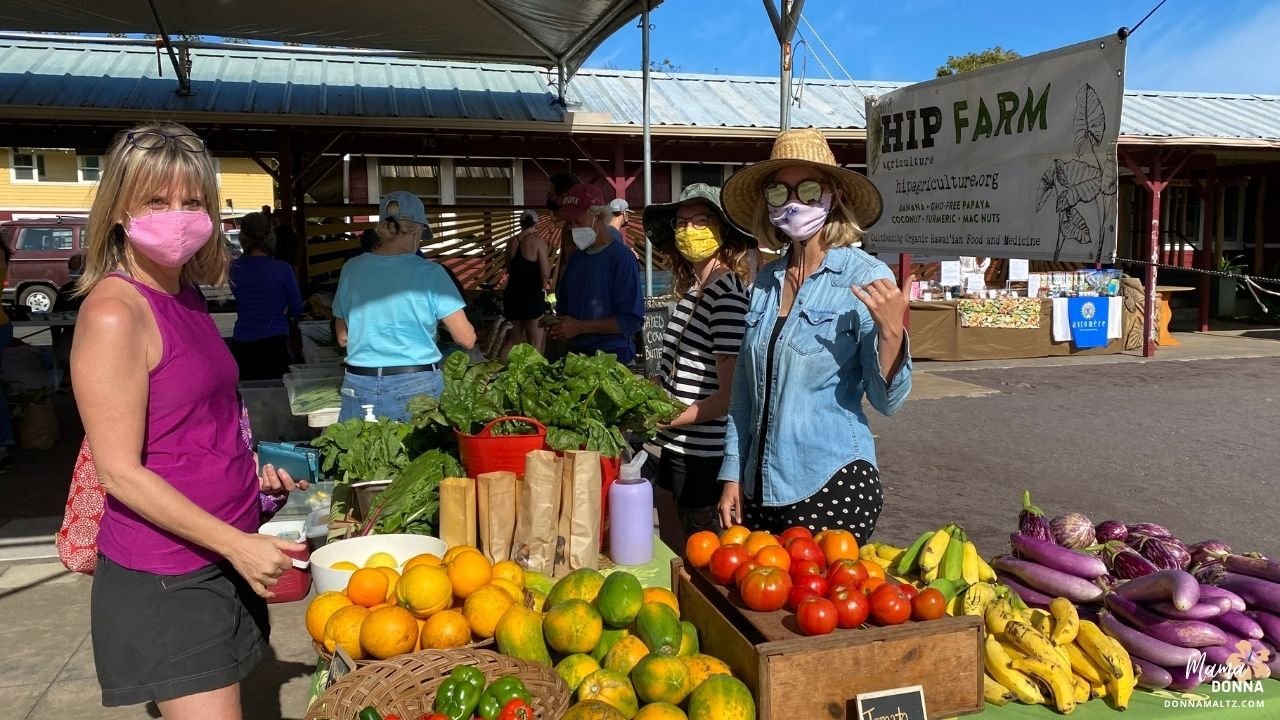
Growing and purchasing food produced locally is more beneficial for our immune system, communities, food supply system, economy, and Mother Earth. When possible, build a connection with your regional farmers or become one yourself! Supporting local farmers will create more resilient communities as we take power away from mega-corporations.
Key actions to support regenerative farming:
- Encourage young farmers— the average farmer’s age is fifty-eight, so we desperately need younger farmers devoted to regenerative farming practices
- Understand the impact: Sustainable farming practices can feed the world and save the planet
- Learn bio-intensive methods: Grow farmable soil at a rate sixty times faster than Nature (unlike conventional methods that deplete soil through wind, water, and chemical erosion)
- Support carbon-farming practices: These can reverse climate change by putting more carbon into the ground than is released into the atmosphere
- Demand change from consumers: Realize we only have 60 years of farmable soil left unless we turn things around
Resources to explore: Regeneration International, Kiss the Ground, Slow Food, and Indigo Agriculture
Strategy #5: Do Not Waste Food
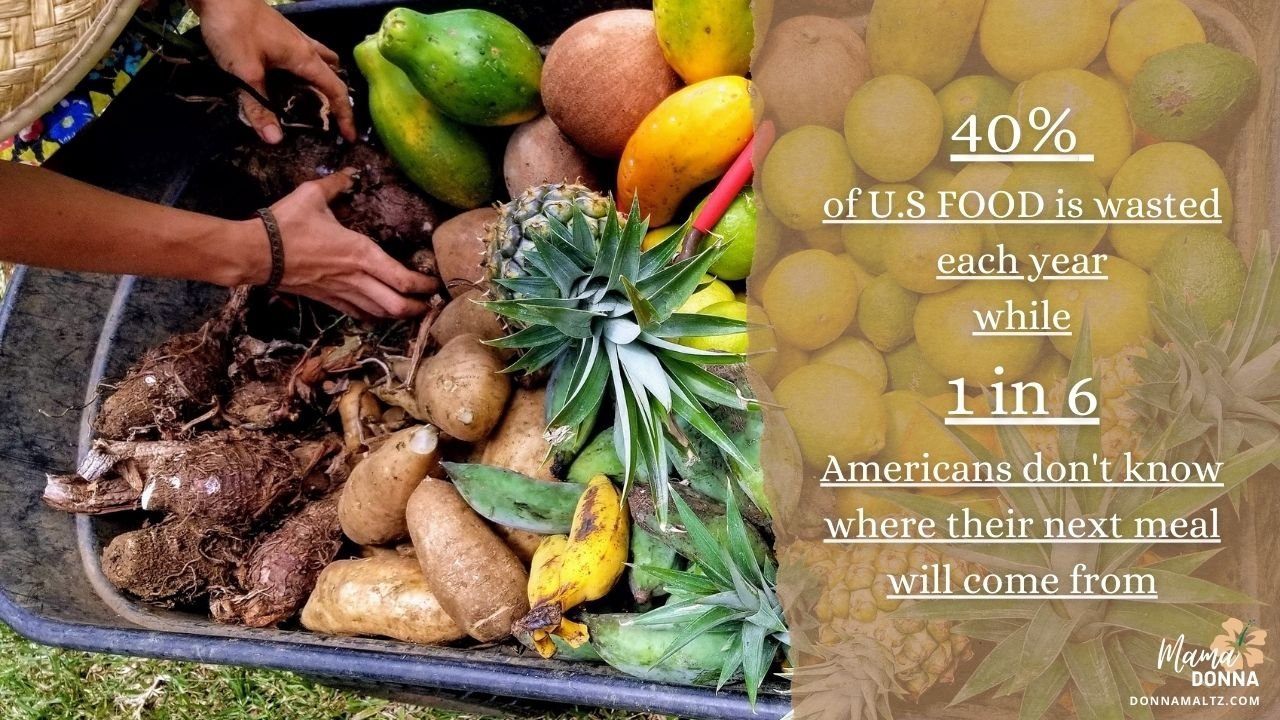
Food waste has become an epidemic, and it’s everyone’s business to prevent it! Author Dana Gunders of the Natural Resources Defense Council notes that “Getting food from the farm to our fork eats up 10 percent of the total US energy budget, uses 50 percent of US land, and swallows 80 percent of all freshwater consumed in the United States. Yet, 40 percent of food in the United States today goes uneaten.”
Critical food waste facts:
- There is more than enough food to feed the entire planet’s human population—we must stop food waste
- If food loss were a country, it would be the third-largest greenhouse gas emitter, behind China and the US
- The annual value of food wasted globally is $1 trillion, weighing 1.3 billion tons
How to reduce food waste:
- Stay focused on the next few days and prepare healthy organic ingredients in advance—such as brown rice, beans, and lightly steamed vegetables
- Make multiple healthy quick meals using these ingredients, turning them into Mexican, Mediterranean, or Thai dishes by changing seasonings
- Prepare meals with your family to make the experience more inclusive, resulting in less food waste
- Involve family members in food education and shopping to reduce waste through awareness
Strategy #6: Work Together to Demand an End to Hunger
Dedicated people and organizations are working tirelessly to resolve world hunger, but they need our support. The Worldwatch Institute states: “A fair number of agribusiness executives and agricultural scientists believe a large-scale shift to organic farming would not only increase the world’s food supply but might be the only way to eradicate hunger.”
Key understanding about global hunger:
- There is enough food right now on Earth to feed everyone—the problem is distribution and profit
- When Big Ag restricts food supply to increase price, demand becomes the catalyst that keeps costs exorbitant
- Local small-scale farms can earn significant profits by simply delivering to nearby customers
Strategy #7: Become More Self-Reliant
We learned from COVID how to become more self-reliant in our communities. Growing Food, Not Grass is a responsible act inspired by Food Not Lawns, working off the “Food Not Bombs” peace movement. If you don’t have a lawn to turn into a garden, Community Supported Agriculture (CSA) offers a sensible way to get nutrient-dense food while supporting local farmers.
Opportunities for community food systems:
- City dwellers are prime to reconnect with food systems through urban gardens
- Turn vacant lots and flat rooftops into urban gardens in your community
- Convert empty buildings into vertical farming systems for year-round production
- “Vertical farming,” “low-impact farming,” and “urban farming” have smaller footprints and create employment within walking distance of homes
Lessons from history: During World War I and II, victory gardens were critical. In Cuba’s 1990 US embargo, urban agriculture was born out of necessity. Why wait until food runs out to act?
Strategy #8: Start or Join an Ethical Food Organization
Ethical organizations and businesses are fighting hard to turn over the injustice happening to the land and the people. These organizations are leading the way toward a more just and sustainable food system:
- The Slow Food Movement— millions of people in over 160 countries working to ensure everyone has access to good, clean, and fair food
- Civil Eats— news organization with over 150 contributors reporting on the evolving food landscape
- The Food Revolution Network— hub of over 500,000 members supporting healthy, ethical, and sustainable food for all
- Agrarian Trust— supporting land access for the next generation of farmers
- Food Tank, The Organic Food Association, FoodPrint, and Small Planet Institute— all working toward food justice
Conclusion: Connection Creates Soulutions
The more connected we are to our food sources, the closer we get to the long-range Soulutions. In tune with the truth, we are wiser consumers and better stewards of the Earth. It’s comforting to know that we have the technology and ancestral wisdom to change how we produce food and employ remedies to nourish and heal ourselves. The more educated we are surrounding these issues, the better decisions we will make.
Your Call to Action
This week, take one food action: visit a local farmer’s market, prepare one meal entirely from scratch with family, or research one ethical food organization to support. Notice how your choices affect your community and the planet. Share in the comments: What’s one food system change you’re making this year? Let’s inspire each other to eat consciously!
Support organizations working for food justice and regenerative agriculture. Together, we can transform how the world eats.