


I’m a recovering foodaholic and workaholic. Over the years of study and work with health professionals, I’ve brought my life back into balance. Now I help others control self-destructive cravings by sharing what I’ve learned. Get some free chapters of my book here!
Understanding the Challenge
Most of us struggle with food cravings. Self-discipline alone won’t achieve tangible results—eating is one of life’s greatest pleasures, and that’s perfectly normal. The real issue: most people lack the knowledge to make wiser food choices when cravings strike.
Cravings typically occur at specific times, often around bedtime when your guard is down after a tough day. What starts as a bedtime snack quickly becomes a feeding frenzy, and we find ourselves hunting through every possible food hiding spot.
Why does this happen? Most food cravings aren’t about satisfying nutritional needs—they’re emotionally related or driven by habitual patterns. Fatigue and stress take their toll on our best intentions. The good news: understanding your triggers is half the battle to winning.
My Strategies to Control Food Cravings
If the food isn’t available, you can’t eat it. Empty the cookie jar and keep it that way. Stock healthy food choices within easy reach so temptation is replaced with nutrition.
Recognize your triggers. Do you crave food when bored, lonely, or stressed? Identifying the emotional trigger is crucial. Once you recognize what emotion precedes the craving, you’re halfway to winning because you can address the emotion instead of the food.
Be kind to yourself. Sometimes recognizing a craving doesn’t stop it. Don’t beat yourself up—what’s done is done. Call a friend, share how you felt, and use your support network. If you don’t have one, what’s holding you back from finding the help you deserve?
You can’t succeed alone. Self-control and discipline won’t cut it by themselves. Forming caring, supportive relationships is essential. If you lack a support network, start building one today.
Get enough sleep. When exhausted, you’re more likely to crave comfort foods—for me, it’s chocolate. Prioritize 7-9 hours of quality sleep to reduce cravings naturally.

Never give up. When you slip, get a grip and regain control. Practice restraint most of the time, but avoid obsessing. Think moderation, not total abstinence.
Exercise regularly. Physical activity increases feel-good endorphins, reducing cravings naturally. Aim for 30 minutes daily—even an early morning brisk walk works wonders for spirit and soul, setting you up for success all day.

Use moderation wisely. Instead of stuffing yourself hoping cravings disappear, enjoy 100-200 calories of what you’re craving, then stop. This approach works.
Listen to your body. Experts debate meal frequency. Some recommend eating every 3-5 hours; others advocate six smaller meals or intermittent fasting. Test different approaches to find what works for your unique makeup.
Test, don’t guess. Some thrive on high-fat diets while others do better vegan. Some benefit from low-fat foods and complex carbs; others need more protein. Understanding your gut and DNA makes all the difference in curbing cravings. Stay tuned for upcoming resources and expert guests on A Dose of Positivity.
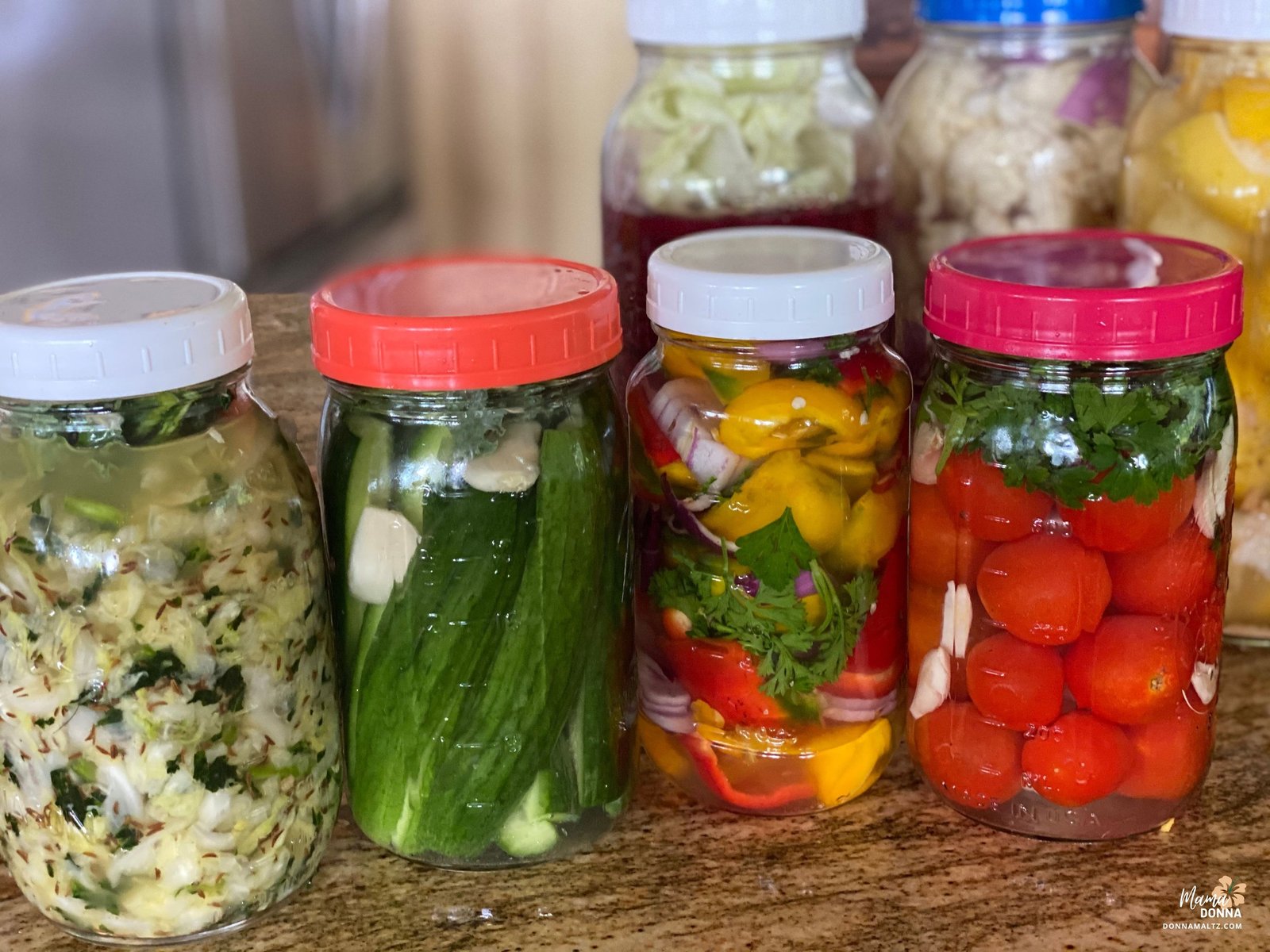
Reach for right substitutes. Craving sweets? Keep dark chocolate handy. A teaspoon of honey in tea works wonders for me. You’ll be amazed at how these simple swaps help.
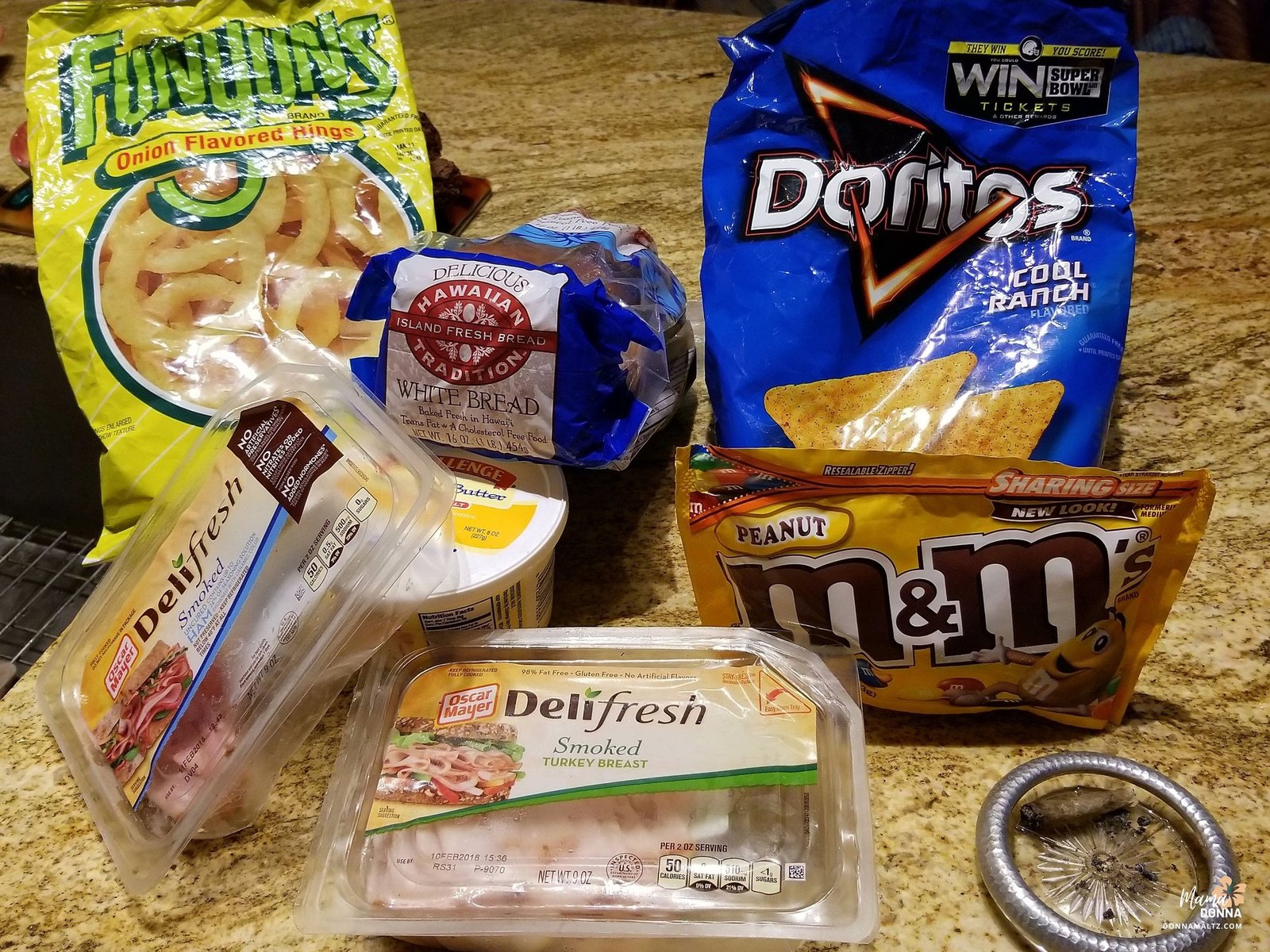
Eliminate processed foods. Processed foods are highly addictive, drug-like substances altering the brain. Studies reveal rats choose sugar over cocaine. The morphine in gluten attaches to the same receptors as opium. Salt withdrawal mirrors drug withdrawal. With 15,000 different food additives in circulation, experts like Joan Ifland—the world’s leading expert in processed food addiction—can help.
Address stress with alternatives. Food cravings are frequently stress-related. Practice stress-coping techniques like nature walks, spiritual connection, fireplace time, or baths. These activate neurochemicals increasing well-being. Relaxation techniques genuinely reduce stress levels.
Replace comfort foods with pleasure. Find enjoyable alternatives to food—activities that bring genuine joy and satisfaction.
Watch for medication effects. Some depression and bipolar disorder medications stimulate appetite. Other prescription and over-the-counter drugs influence appetite too. Discuss this with your doctor or pharmacist—alternatives may be available.
Distract yourself. Idle hands really are the devil’s workshop. Get busy doing anything other than seeking food until cravings subside.
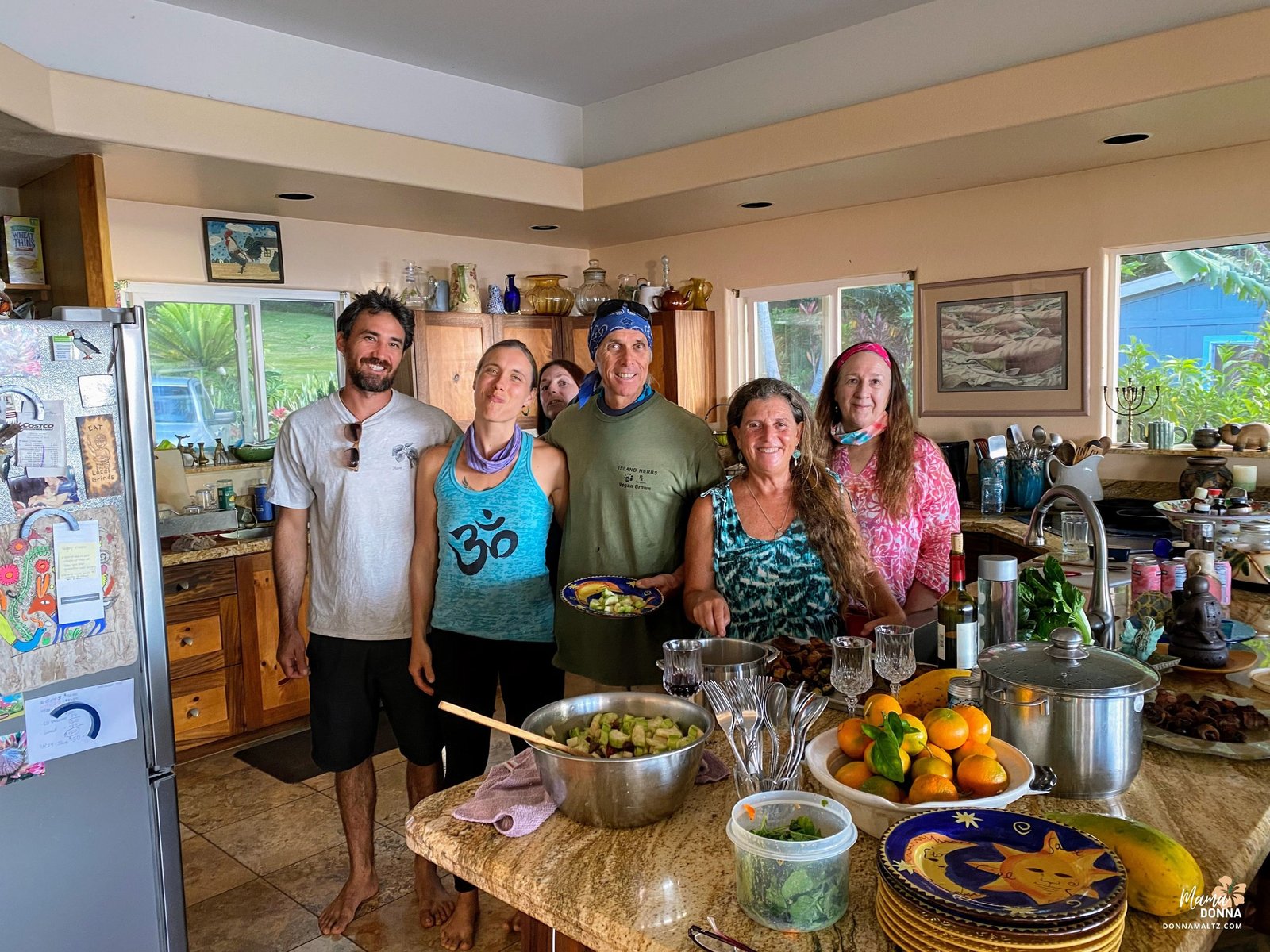
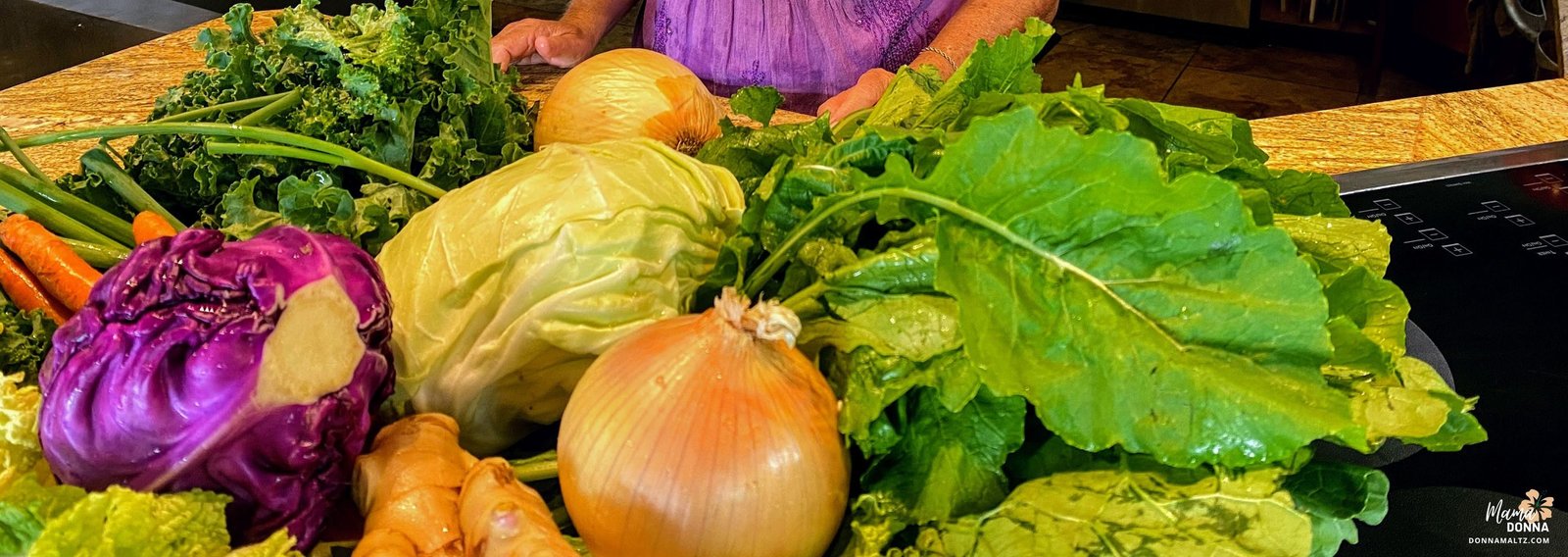
Gather and share healthy meals. Cook homemade meals with people who understand that food is medicine. Indulge in nature’s bounty, not the shopping cart.
Clean out your kitchen. Open your refrigerator and cabinets. Discard unhealthy items sabotaging your efforts. Shop more wisely with forethought and planning. Never go shopping when hungry—absolutely fatal!
Conclusion
You can take control. If you give in to temptation, don’t beat yourself up—tomorrow is another day. Be human. Eat healthily and moderately, but remember you’re only human at the end of the day.
You must be willing to invest in self-care, figure out what works best for you, and never give up.

Call to Action
Share your craving-control strategies below. Help others discover what works—your experience matters. Together, we build a supportive community breaking free from food control patterns.
A Dose of Positivity

Join our uplifting Facebook Group for A Daily Dose of Positivity. Contribute your positive vibration and receive from others. 💕
PS: Help Save Mother Earth by purchasing my Nature Photography. All proceeds go to preserve Nature 🍃🌿