

My Personal Journey With Food Addiction
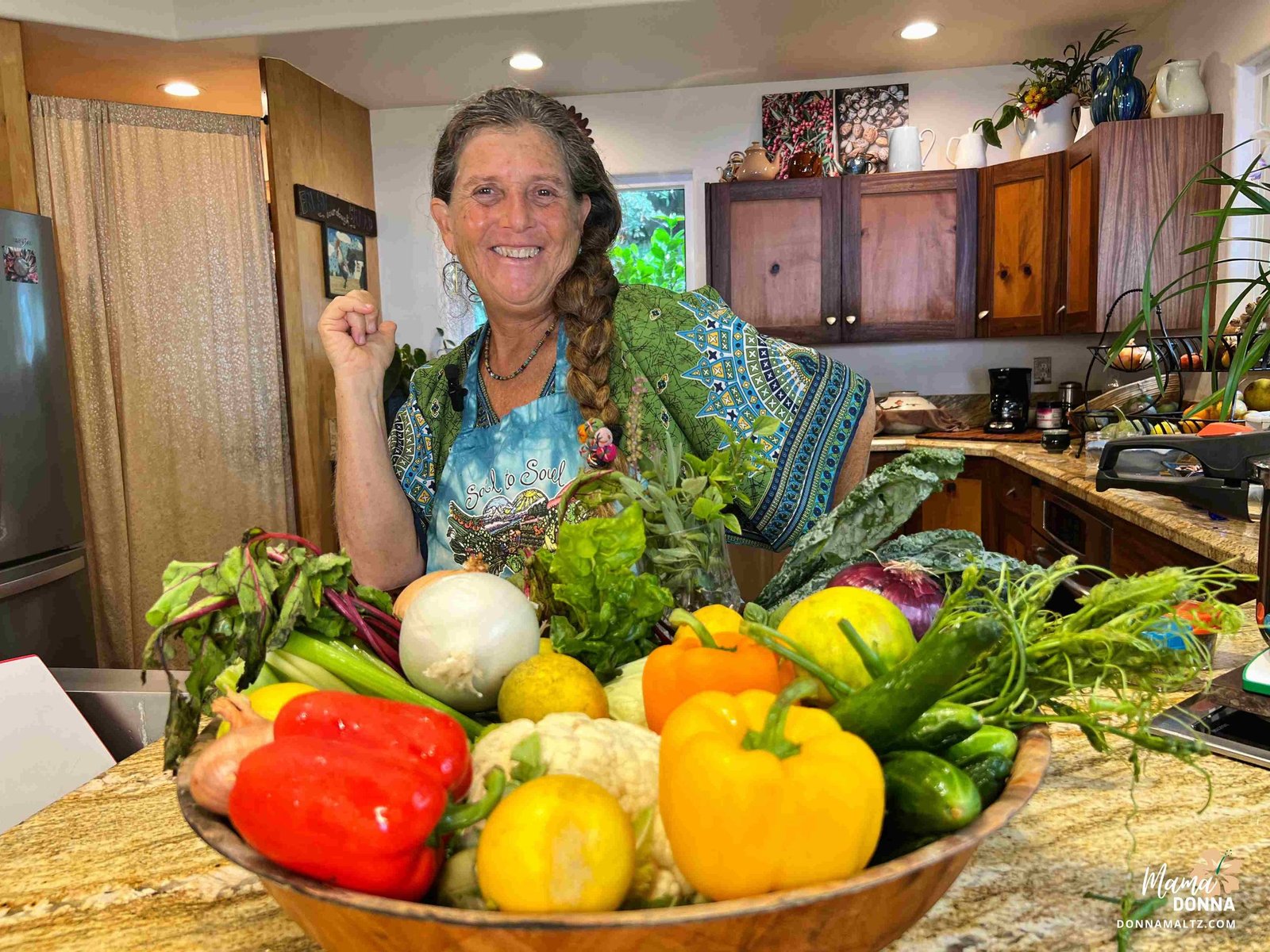
Those of you who know me or have read my book, Living Like the Future Matters ~The Evolution of A Soil to Soul Entrepreneur, realize I had a serious food addiction. For 37 years, I owned and operated a fabulous natural foods bakery/cafe in Homer, Alaska, with access to organic brownies, sticky buns, milkshakes, and everything I wanted at my fingertips. I got fat and sick and was ready to give up. I know firsthand how dangerous food addiction is.
Food addiction is on the rise because the way our food is grown, processed, and consumed has become increasingly toxic. To get the detailed story of my battle with food addiction, you can download a free chapter of my book, Leading to Addiction.
The Hidden Truth About Processed Foods
Plain and simple: we need food to survive, but the process of making food supposedly tastier and more convenient is actually making us sick. Children are becoming addicts without having a choice in what they consume.
The Problem:
- Even many “natural” foods contain addictive substances like excess sugar, salt, and fillers
- Many natural and organic brands are now owned by industrial food giants including General Mills, The Kellogg Company, Campbell Soup Company, and Kraft
- Corporations prioritize profit over health when developing food products
- Marketing masks the true ingredients in what appears to be healthy food
The Science of Food Addiction
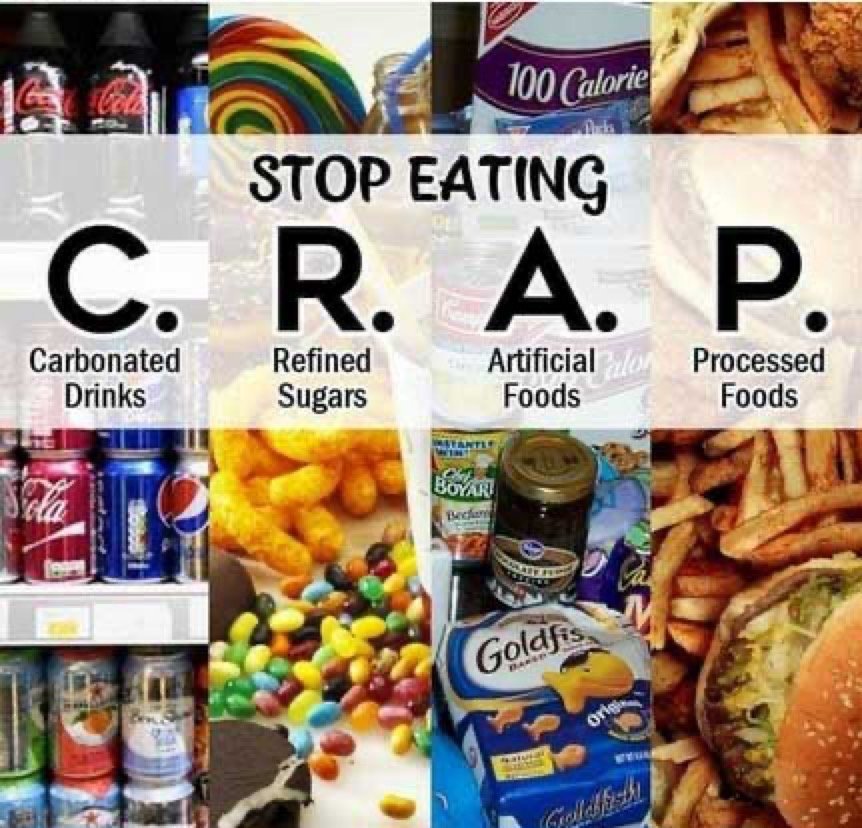
There are chemicals and ingredients used in processed foods that are specifically designed to be addicting. A study published by PLOS ONE, a peer-reviewed scientific journal, found that processed foods high in added fats and refined carbohydrates are more likely to lead to food addiction.
The Most Addictive Foods:
- Pizza
- Chocolate
- Ice cream
- French fries
The Least Addictive Foods:
- Cucumbers
- Beans
- Brown rice
- Whole foods in their natural state
Overeating and consuming these highly processed foods overload the pleasure system in the brain, causing addiction similar to recreational drugs. Paul J. Kenny, Ph.D., an associate professor of molecular therapeutics at the Scripps Research Institute, notes that the pleasure center essentially crashes, which eventually requires increasing amounts of the drug or food.
According to Dr. Mark Hyman, a renowned integrative medicine doctor: “The science of food addiction is clearer now than ever before. A powerful study published in the American Journal of Clinical Nutrition proves that higher-sugar, higher-glycemic foods are addictive in the same way as cocaine and heroin.”
The Global Health Crisis: Pay the Farmer or Big Pharma
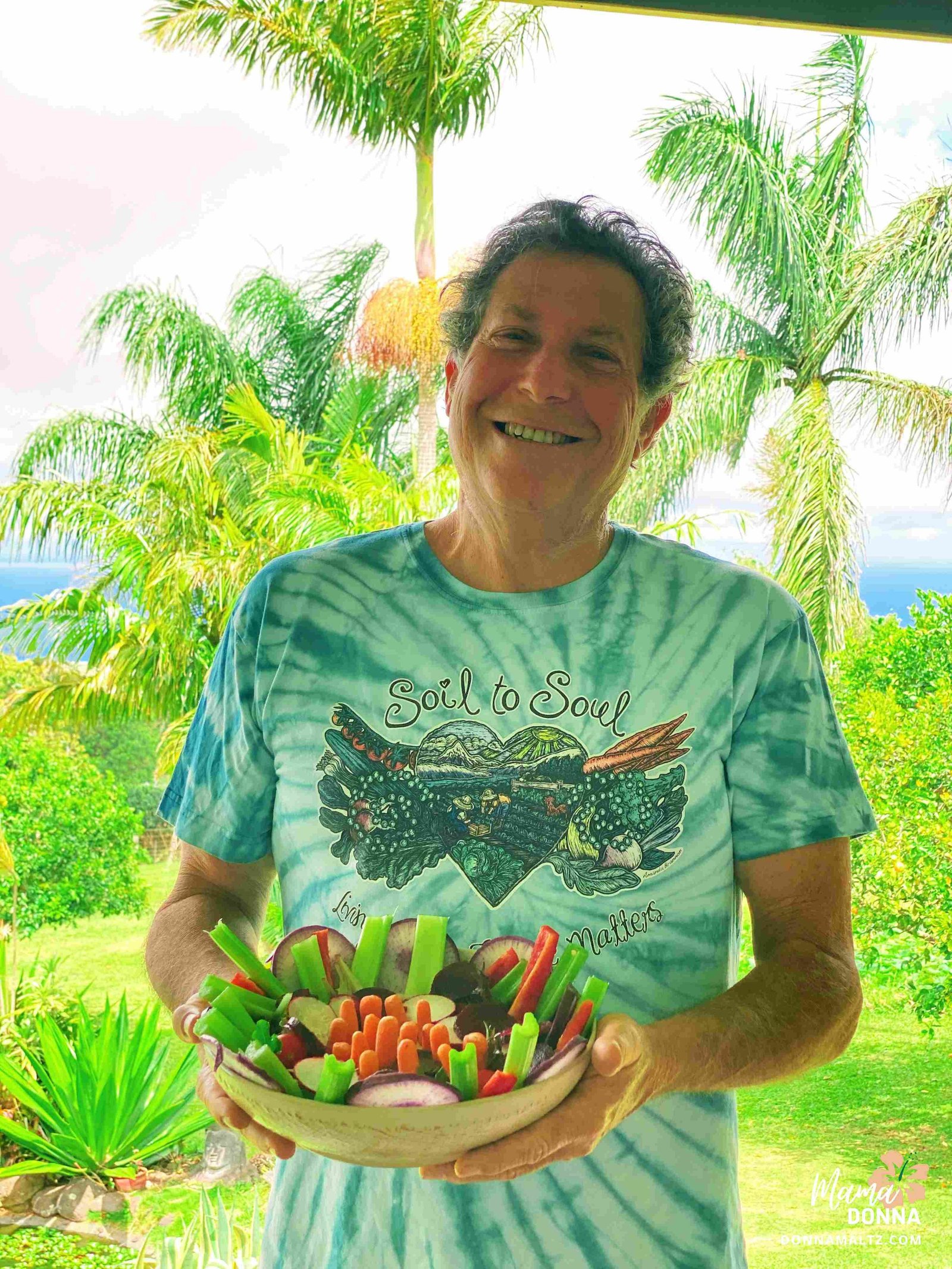
Pay the farmer now or Big Pharma later. The Western diet is plagued by convenient, unhealthy foods. Unfortunately, the cheap prices of these harmful processed foods are desirable to society, as everyone is trying to save money or has no choice.
According to a Global Panel on Agriculture and Food Systems for Nutrition report, poor nutrition poses a greater risk than alcohol, tobacco, and unsafe sex globally. The consequences are devastating:
- Many people live in food deserts with no access to healthy foods
- These communities have the highest crime rates
- Chronic disease skyrockets in low-income areas
- Children suffer lifelong health challenges from early food addiction
Breaking Free: Steps to Recovery
Most of the time, we don’t have the willpower to effectively handle our addictions by ourselves. There is help available, and the best approach involves therapy with a professional who specializes in addictions.
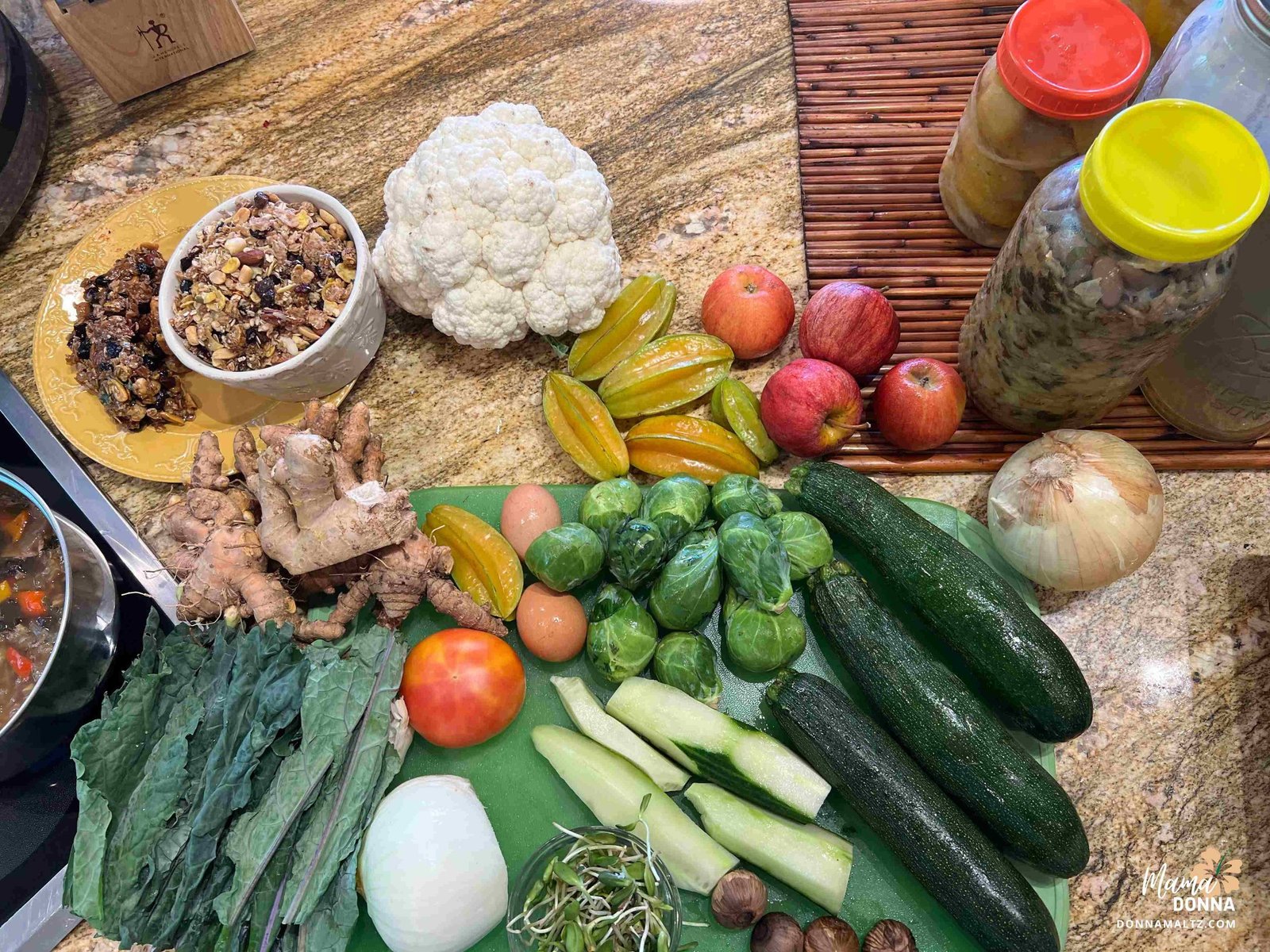
It is refreshing to know that there is improvement and hope, but if not taken care of early on, there are certainly severe repercussions. When it comes to food consumption, eating natural, non-processed foods will reduce most food addiction habits because there are no chemicals that create addictive qualities.
Key Points to Break Free From Food Addiction
- Love yourself and be willing to change for the benefit of your health
- Refrain from eating processed foods of any sort as much as possible
- Find a support system to encourage you on your journey
- Understand that good habits will increase your lifespan and improve your well-being
- Seek help if you can’t seem to cut the habit out of your life on your own
Conclusion: Reclaim Your Health and Freedom
Applying these key points brings you much closer to quitting your addiction. This is a big topic and growing, and I continue to write about it and support others in their recovery.
You can also download the free chapter or get the Living Like the Future Matters ebook for only $1.99 for a limited time, where I share my personal battle and recovery from food addiction in detail.
Your Call to Action: Start This Week
This week, take one concrete step to reduce processed food in your diet:
- Clean out one section of your pantry and replace with whole foods
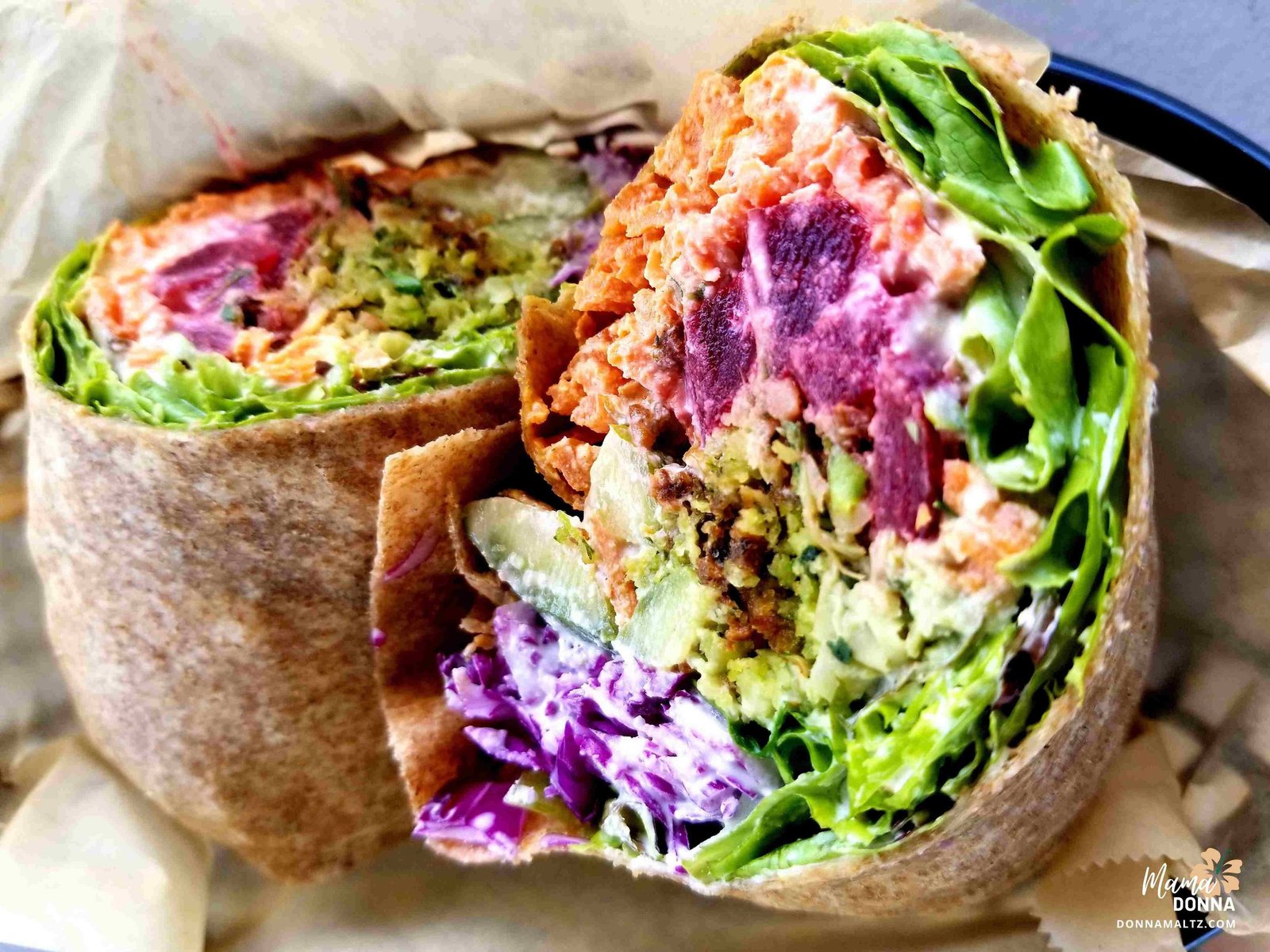
- Plan one whole-food meal and enjoy it mindfully
- Visit a local farmers market and connect with food producers
- Read labels on three foods you eat regularly
Notice how you feel physically and emotionally when you make this shift toward real food.
Share in the comments: What step are you taking to break free from food addiction? Let’s support each other on this journey toward true health and freedom!
Resources and Support
Learn more from these trusted sources on food addiction recovery:
- Food Addiction Community - Dr. Joan Ifland
- Which Foods May Be Addictive? The Roles of Processing, Fat Content, and Glycemic Load - Scientific research
- The Facts on Junk Food Marketing and Kids - Prevention Institute
Support Our Mission
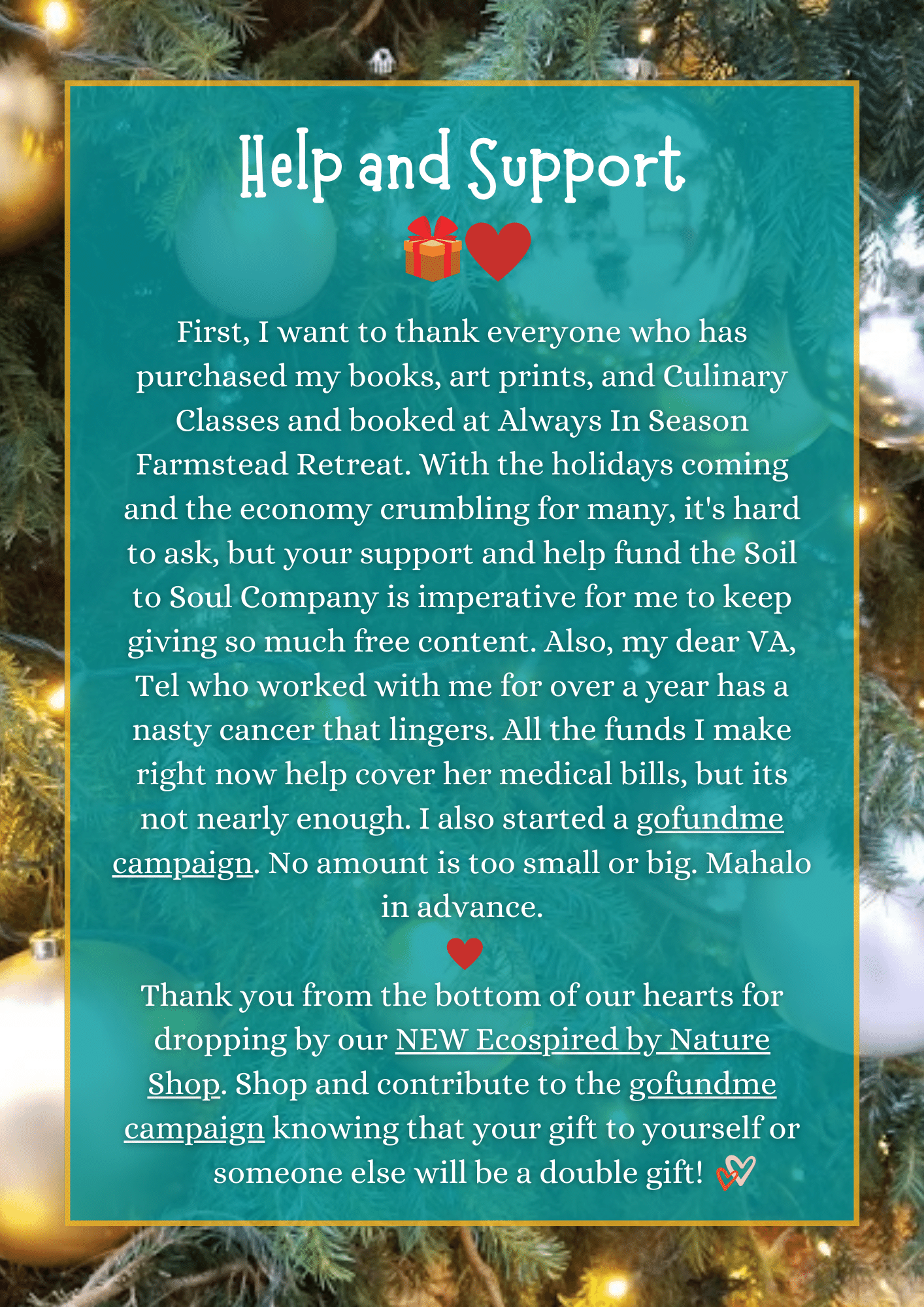
Help us continue spreading awareness about food addiction and supporting people in their recovery journeys.
Join Our Community: A Dose of Positivity

This week’s guest on A Dose of Positivity is an expert in processed food addiction, Dr. Joan Ifland. If you or anyone you know are struggling with food addiction, join us. Come with your questions and input. You will be glad you did!
Ready for Personalized Support?
Let’s explore your personal food journey and create a healing plan tailored to your needs. Food freedom is possible.