

Introduction: Your Microbiome is Your Foundation
After 15 days of antibiotics, boosting my microbiome is a top priority. During my recent oral health crisis, I learned firsthand that antibiotics kill the good bacteria in our gut—the bacteria that keep us healthy. I am left suffering from a medical paradox: the antibiotics saved my life but devastated my microbiome! I do have a choice, though, on how to help my gut bounce back. From sauerkraut to Kava, kombucha to yogurt, I’m consuming a variety of probiotic cultures to help me heal and recover from the devastating effects of antibiotics. My first priority is returning to good health, and your microbiome deserves the same attention.
Understanding Your Microbiome
Each of us has around 40 trillion bacteria in our bodies, and most of them hang out in our gut. Hundreds of species of bacteria live there, each playing a unique role and requiring different nutrients (ingested food) for growth—your body is counting on you to feed the good bacteria. The gut microbiome is getting a lot of attention these days, and for good reason: healthy gut bacteria are responsible for our overall health, including mental health. Harmful bacteria contribute to many diseases, even depression. Good bacteria produce pleasant chemicals like serotonin and dopamine around the clock. Regardless of age, medical condition, or heritage, a healthy microbiome is essential for a healthy body.
11 Proven Ways to Boost Your Microbiome
1. Eat a Variety of Fruits and Vegetables
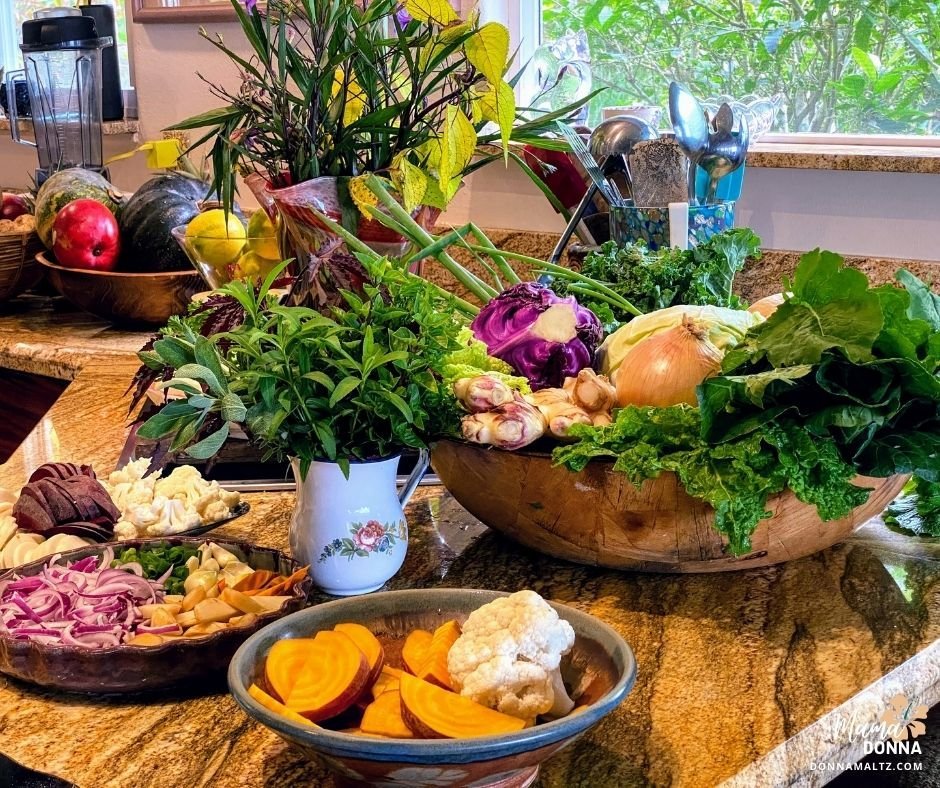
Fruits and vegetables are the best sources of nutrients for a healthy microbiome. Vegetables are high in fibers—indigestible by humans but absorbed by healthy bacteria in your gut, including the beneficial Bifidobacteria. People who eat a diet rich in fruits and vegetables are less likely to harbor disease-causing germs.
Best vegetables to fuel your microorganisms:
- Leeks, Onions, Asparagus, and Broccoli
- Spinach, Artichokes, and all leafy greens
- Bananas, Apples, and Berries
Eat fruits and veggies that you love and your body will do the rest.
2. Cut Out the Crap
Reduce or eliminate sugar and processed foods—ban all junk food from your life (at least, do your best!). You risk starving your microbiota to death if you consume too many simple sugars regularly. Fast-digesting sugars (monosaccharides) are metabolized so quickly that bacteria don’t have time to eat them—worse, sugar compounds will eat away at your intestinal lining, causing inflammation. To promote a happy and healthy microbiome, change your diet to include more foods containing complex carbohydrates.
Alternative sweets to enjoy sparingly:
- Raw local honey
- Maple syrup
- Dark Chocolate (70% cacao or more) YAY!
- Coconut and Palm Sugar
- Watch out for hidden sugars in smoothies, nut butters, protein bars, and salad dressings—80% of all grocery items have hidden sugars!
3. Eat Prebiotic Foods
There is a lot of talk about probiotics, but what about prebiotics? Prebiotic foods are primarily fruits and veggies that are mainly fiber or complex carbohydrates that human cells cannot digest—instead, certain species of bacteria in the gut break them down and use them for fuel. Along with probiotics, prebiotic foods are our preventive health care program—eat them, and you will not need to purchase expensive probiotic products. Unfortunately, Western fast food and processed diets do not incorporate nearly enough prebiotic foods.
About 75% of the world’s foods come from only 12 plants and 5 animals—that’s staggering when the Earth provides thousands of plant species! This diversity is not nearly enough for our guts to be healthy. Resistant starch can also be prebiotic—this type of starch is not absorbed in the small intestine and passes into the large intestine, where the microbiota breaks it down. Prebiotics promote the growth of several types of beneficial bacteria, including Bifidobacteria.
4. Consume Probiotics
Probiotics are living microorganisms high in healthy bacteria, which help guarantee that your gut is primarily filled with beneficial good guys. They improve microbiome function and help restore the microbian, especially after taking antibiotics or eating a poor diet high in sugar. Because everyone’s microbiome is different, ask your health practitioner which types of cultures are best for you. There are many probiotic products on the market that claim to have living cultures but don’t, so do your homework.
5. Fermented Foods Are Excellent Sources of Probiotics
They are cost-effective, easy to make, and delicious. Fermented vegetables and cultured dairy products are rich in beneficial lactobacillus. Yogurt is popular, but if you’re going to consume a lot, be sure it’s sugar-free because harmful bacteria thrive on sugar! To benefit from store-bought fermented foods, make sure they contain live active cultures and not too much sugar—eat a variety of fermented foods to benefit your microbiome. Nature teaches us that everything thrives better when there is diversity.
Common fermented foods:
- Yogurt and Kefir
- Kimchi and Sauerkraut
- Fermented Vegetables and Tempeh
- Miso and Kombucha
- Homebrewed and fermented drinks (beer, wine, Jun)
6. Limit Your Intake of Red Meat
Industrial meat brands use antibiotics to raise their livestock, which is terrible for the animals and your stomach. Multiple studies show vegetarians have healthier microbiomes for obvious reasons—a vegetarian’s stomach contains far fewer disease-causing bacteria than an omnivore’s. If you are a meat-eater, only consume humanely-raised, grass-fed, antibiotic-free meat. How do you know it’s antibiotic-free? Ask your butcher or store clerks—if they do not know, don’t buy it. The more people who demand food intended for the people and the planet to regenerate, the faster we can turn around the corruption of the industrial food complex.

7. It’s Time for You to Go to Bed
It’s critical to get adequate sleep. According to multiple studies, people with unpredictable sleeping patterns are at risk of changing their microbiome and developing inflammatory disorders.
Make an effort to get at least 8 hours of sleep every night:
- Rest when you are tired
- Don’t feel guilty when you take a nap
- Go to bed at the same time each night
- Limit your use of caffeine, especially later in the day
- Don’t eat before you go to bed
8. Get Outside & Get Your Body Moving
Your bacteria believe that if they’re working so hard to keep you healthy, you should do the same! Physically active people have healthier and more diversified microbiomes. Exercise is one of the best ways to de-stress after a long day—even 30 minutes of walking could significantly impact your gut health, allowing these tiny microorganisms to continue managing your stress levels and maintaining your mental health.

9. Make Time for Yourself to Reduce Stress
Explore meditation, mindfulness, yoga, or tai chi. Maintaining a sense of balance in your life will benefit not only your mental and emotional well-being but your gut as well. Stress can have a terrible impact on your microbiome, and you need a healthy microbiome to help you deal with stressors. If you’re not careful, you may find yourself stuck in an unhealthy cycle if you don’t take time to relieve stress and re-energize.
10. Avoid Antibiotics When Possible
Antibiotics are your gut’s deadliest enemy if probiotics are your gut’s best buddy! Antibiotics function by eradicating all bacteria, making them highly successful in treating infections but extremely harmful to your microbiome. They cannot distinguish between good and dangerous bacteria and operate on a “kill now, ask questions later” strategy. If you must take an antibiotic, be sure you eat plenty of fermented foods or take a quality probiotic every day to help replace your gut bacteria. Antibiotics can SAVE YOUR LIFE, but they are often misprescribed and unnecessary—do your due diligence before taking any medication. Ask your doctor specific questions about your prescription and be your own best health advocate.
11. Eat a Variety of Healthy Foods
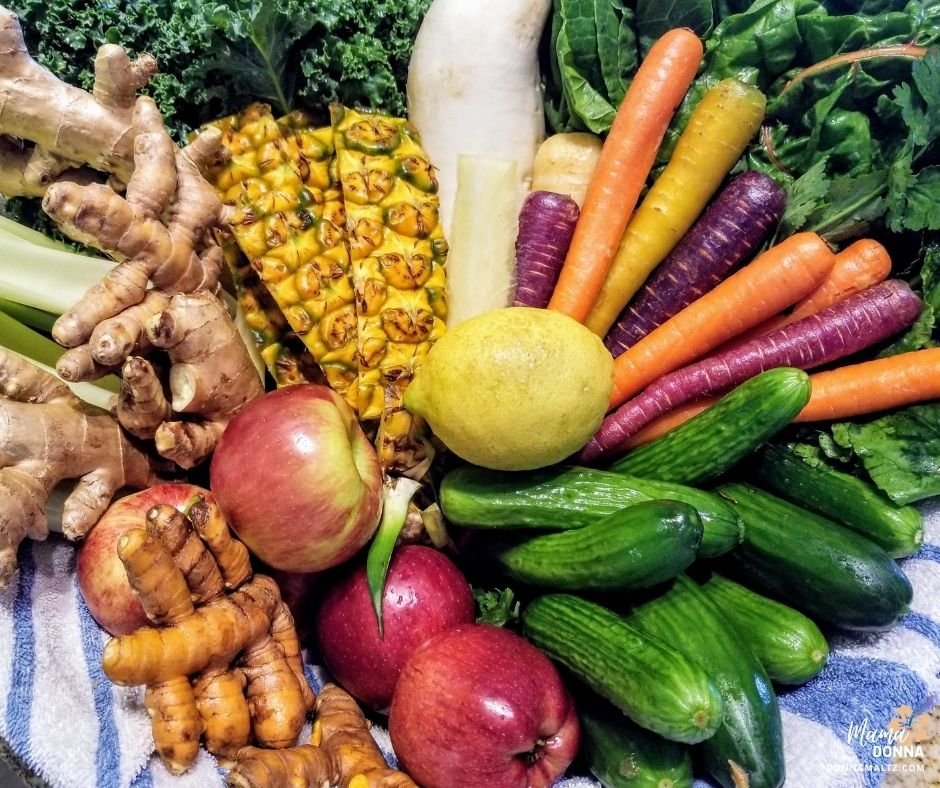
Eating a diverse diet rich in whole foods will aid in making a diverse microbiome.
Mama Donna’s Microbiome Shopping List:
- Vegetables to ferment
- Fresh fruits and vegetables in season
- Bones to make Bone Broth
- Yogurt and Kefir
- Miso and fermented foods
Conclusion: A Healthy Microbiome is Your Foundation
Your gut is the foundation of your health. By implementing even a few of these 11 strategies, you can dramatically improve your microbiome and overall wellness. Your microbiome is resilient and wants to heal—give it the tools it needs, and it will reward you with vibrant health.
Your Call to Action
Start with your weakest area this week. If you don’t sleep well, prioritize sleep. If your diet is processed foods, start adding one fermented food daily. Pick ONE strategy and master it before adding another. Share in the comments which strategy you’re committing to first—I’d love to hear about your microbiome healing journey!
Ready to transform your gut health?